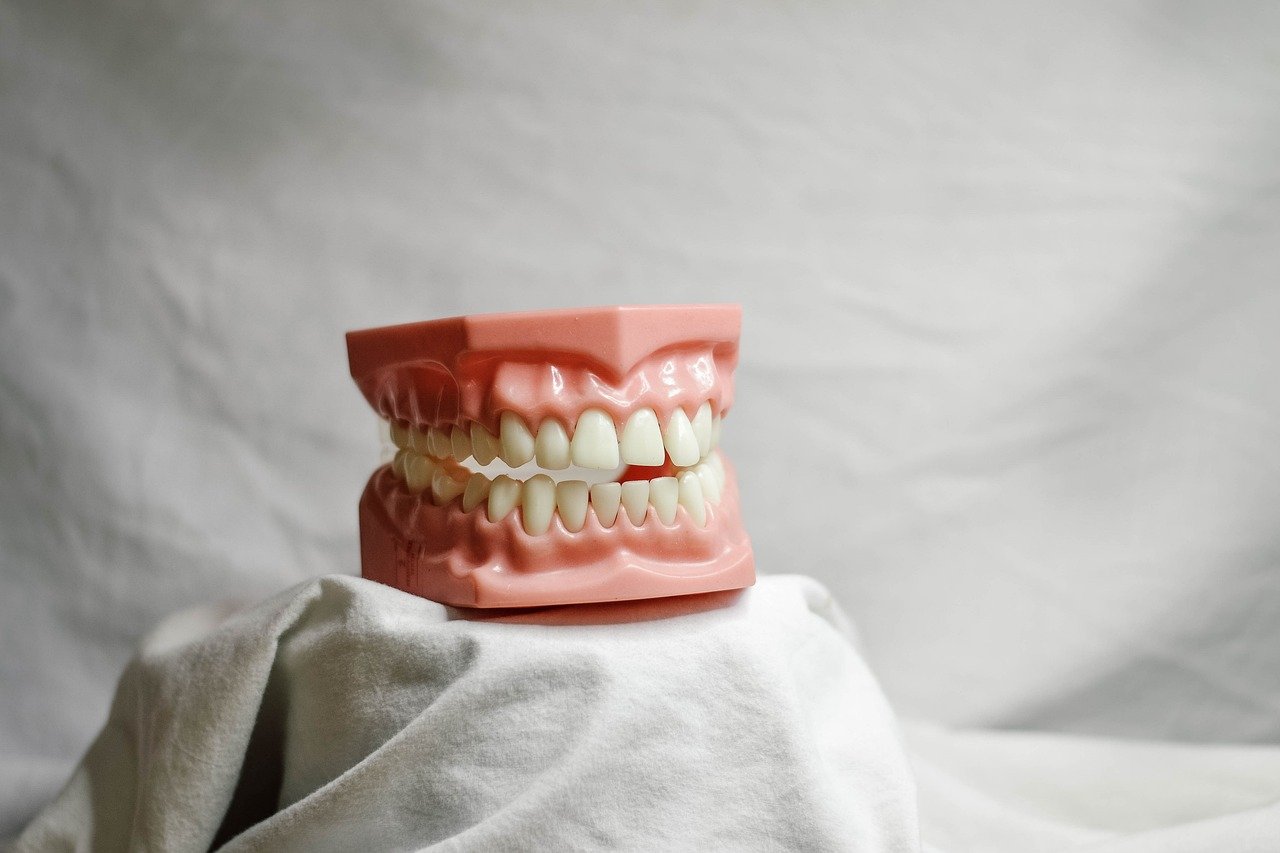
A dazzling smile is often the first thing people notice, but a healthy smile is far more than just aesthetics. It’s an indicator of overall well-being, contributing to everything from confidence and social interactions to proper digestion and systemic health. Understanding the components of a healthy smile and how to maintain it is crucial for a happier and healthier life. This guide will walk you through the essential elements of achieving and preserving a smile you can be proud of.
The Foundation: Excellent Oral Hygiene
A consistent and thorough oral hygiene routine is the cornerstone of a healthy smile. Without it, you’re leaving the door open for plaque buildup, cavities, and gum disease.
Brushing Techniques
- Frequency: Brush your teeth at least twice a day, ideally after breakfast and before bed.
- Technique: Use a soft-bristled toothbrush and fluoride toothpaste. Position the brush at a 45-degree angle to the gumline. Use gentle, circular motions to clean each tooth surface, including the front, back, and chewing surfaces. Avoid scrubbing vigorously, which can damage enamel and irritate gums.
- Duration: Aim for at least two minutes each time you brush. Consider using a timer or an electric toothbrush with a built-in timer to ensure adequate brushing time.
- Replacement: Replace your toothbrush every three months, or sooner if the bristles become frayed. Frayed bristles are less effective at removing plaque.
Flossing Fundamentals
- Frequency: Floss at least once a day, preferably before brushing.
- Technique: Use about 18 inches of floss, winding most of it around your middle fingers. Gently guide the floss between your teeth, using a sawing motion. Curve the floss into a “C” shape around each tooth, and slide it up and down to remove plaque and debris along the gumline. Use a clean section of floss for each tooth.
- Alternatives: If traditional flossing is difficult, consider using floss picks, interdental brushes, or water flossers.
- Importance: Flossing removes plaque and food particles from between teeth, areas your toothbrush can’t reach, preventing cavities and gum disease. Studies show that people who floss regularly have a significantly lower risk of developing periodontal disease.
The Power of Mouthwash
- Benefits: Mouthwash can help kill bacteria, freshen breath, and prevent plaque buildup. Fluoride mouthwash can also strengthen tooth enamel and protect against cavities.
- Usage: Rinse with mouthwash after brushing and flossing. Follow the instructions on the product label. Choose a mouthwash that is alcohol-free to avoid drying out your mouth.
- Types: There are different types of mouthwash available, including antiseptic, fluoride, and whitening mouthwashes. Consult your dentist to determine which type is best for your needs.
Diet and Your Dental Health
What you eat and drink significantly impacts the health of your teeth and gums. A balanced diet that limits sugary and acidic foods is crucial for maintaining a healthy smile.
Foods to Embrace
- Fruits and Vegetables: These are rich in vitamins and minerals that strengthen teeth and gums. Crunchy fruits and vegetables, such as apples and carrots, can also help scrub away plaque.
- Dairy Products: Milk, cheese, and yogurt are excellent sources of calcium and phosphate, which are essential for strong teeth. Dairy products also help neutralize acids in the mouth.
- Lean Proteins: Meat, poultry, fish, and beans provide essential nutrients for healthy gums and overall oral health.
- Water: Drinking plenty of water throughout the day helps wash away food particles and bacteria, keeping your mouth hydrated and healthy.
Foods and Drinks to Limit or Avoid
- Sugary Foods and Drinks: Sugar feeds bacteria in the mouth, leading to acid production that can erode tooth enamel and cause cavities. Limit your intake of candy, soda, juice, and other sugary snacks and beverages.
- Acidic Foods and Drinks: Acidic foods and drinks, such as citrus fruits, vinegar, and carbonated beverages, can also erode tooth enamel. Consume these in moderation and rinse your mouth with water afterward.
- Sticky Foods: Sticky foods, such as caramels and gummy candies, tend to cling to teeth, providing a breeding ground for bacteria.
- Hard Candies: Sucking on hard candies exposes your teeth to sugar for an extended period, increasing the risk of cavities. Biting down on hard candies can also damage your teeth.
Snacking Smart
- Choose healthy snacks: Opt for fruits, vegetables, nuts, or cheese instead of sugary or processed snacks.
- Limit snacking frequency: Frequent snacking exposes your teeth to acids for longer periods. Try to limit snacking to designated times between meals.
- Rinse with water after snacking: Rinsing your mouth with water after snacking can help wash away food particles and neutralize acids.
Regular Dental Check-ups: Prevention is Key
Routine dental check-ups and cleanings are essential for maintaining a healthy smile. Your dentist can identify and address potential problems early on, preventing them from becoming more serious and costly.
The Importance of Professional Cleanings
- Plaque and Tartar Removal: Even with diligent brushing and flossing, some plaque and tartar can accumulate in hard-to-reach areas. A professional cleaning removes these deposits, preventing gum disease and cavities.
- Early Detection: Your dentist can detect early signs of cavities, gum disease, and other oral health problems that you may not be able to see or feel.
- Preventive Treatments: Your dentist may recommend preventive treatments, such as fluoride treatments or sealants, to protect your teeth from decay.
- Personalized Advice: Your dentist can provide personalized advice on how to improve your oral hygiene habits and maintain a healthy smile.
What to Expect During a Check-up
- Examination: Your dentist will examine your teeth, gums, and mouth for signs of decay, gum disease, and other oral health problems.
- X-rays: X-rays may be taken to detect problems that are not visible to the naked eye, such as cavities between teeth or bone loss.
- Cleaning: A dental hygienist will clean your teeth, removing plaque and tartar.
- Consultation: Your dentist will discuss any findings with you and recommend any necessary treatments or follow-up care.
Frequency of Visits
- General Recommendation: Most people should visit the dentist for a check-up and cleaning every six months.
- Individual Needs: Your dentist may recommend more frequent visits if you have a higher risk of cavities or gum disease. Factors such as smoking, diabetes, and certain medications can increase your risk.
Addressing Specific Concerns
Sometimes, maintaining a healthy smile requires addressing specific issues, such as teeth grinding, dry mouth, or stained teeth.
Teeth Grinding (Bruxism)
- Causes: Teeth grinding can be caused by stress, anxiety, sleep disorders, or misaligned teeth.
- Consequences: Teeth grinding can lead to tooth wear, jaw pain, headaches, and temporomandibular joint (TMJ) disorders.
- Solutions: Your dentist may recommend a mouthguard to protect your teeth from grinding. Stress management techniques, such as yoga or meditation, may also be helpful. In some cases, orthodontic treatment may be necessary to correct misaligned teeth.
Dry Mouth (Xerostomia)
- Causes: Dry mouth can be caused by certain medications, medical conditions, radiation therapy, or dehydration.
- Consequences: Dry mouth increases the risk of cavities, gum disease, and oral infections. Saliva helps to neutralize acids, wash away food particles, and lubricate the mouth.
- Solutions: Drink plenty of water, chew sugar-free gum, or use saliva substitutes to keep your mouth moist. Avoid caffeine and alcohol, which can dehydrate you. Your dentist may also prescribe medication to stimulate saliva production.
Teeth Whitening
- Causes of Staining: Teeth can become stained by food, drinks, tobacco, and certain medications.
- Options: There are several options for teeth whitening, including over-the-counter whitening products, in-office whitening treatments, and custom-made whitening trays.
- Considerations: Talk to your dentist before starting any whitening treatment. Some whitening products can cause tooth sensitivity or gum irritation. The effectiveness of whitening treatments can vary depending on the cause and severity of the staining.
Conclusion
Maintaining a healthy smile requires a combination of good oral hygiene habits, a balanced diet, regular dental check-ups, and addressing any specific concerns. By following these guidelines, you can achieve and preserve a smile that is not only beautiful but also contributes to your overall health and well-being. Remember, investing in your oral health is an investment in your future. Don’t hesitate to consult with your dentist for personalized advice and guidance on how to achieve the healthy smile you deserve.