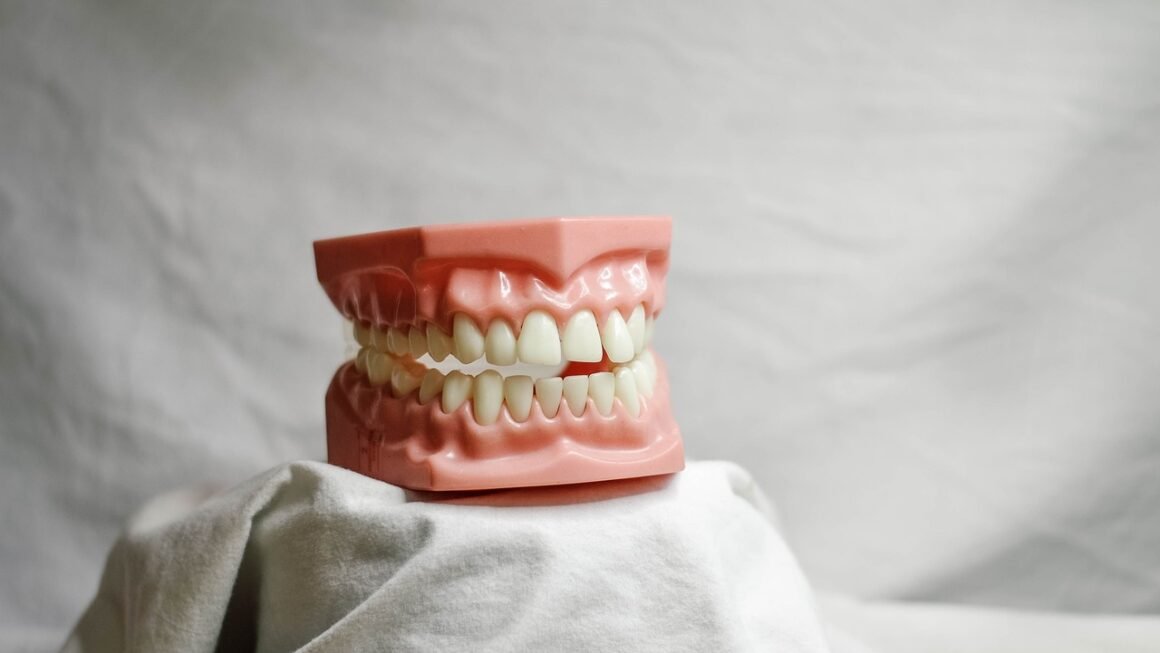
Gingivitis, the early stage of gum disease, affects a large percentage of the adult population, but the good news is it’s often preventable. Ignoring gingivitis can lead to more serious oral health problems like periodontitis and even tooth loss. This blog post will provide you with a comprehensive guide on gingivitis prevention, equipping you with the knowledge and actionable strategies to maintain healthy gums and a sparkling smile.
Understanding Gingivitis
What is Gingivitis?
Gingivitis is an inflammation of the gums caused by the buildup of plaque and tartar on teeth. Plaque is a sticky film of bacteria that constantly forms on your teeth. If plaque isn’t removed regularly through brushing and flossing, it can harden into tartar (calculus). These substances irritate the gums, leading to inflammation.
Signs and Symptoms of Gingivitis
Recognizing the early signs of gingivitis is crucial for timely intervention. Common symptoms include:
- Red, swollen gums
- Gums that bleed easily during brushing or flossing
- Bad breath (halitosis)
- Receding gums
- Tender gums
Sometimes, gingivitis can be present without obvious symptoms, highlighting the importance of regular dental checkups.
Risk Factors for Developing Gingivitis
Certain factors can increase your risk of developing gingivitis. These include:
- Poor oral hygiene habits (inadequate brushing and flossing)
- Smoking or chewing tobacco
- Diabetes
- Certain medications (e.g., some anti-seizure drugs)
- Hormonal changes (e.g., during pregnancy, menopause)
- Crooked teeth or dental appliances (making cleaning difficult)
- Compromised immune system
Establishing a Robust Oral Hygiene Routine
Brushing Techniques for Optimal Gum Health
Proper brushing is the cornerstone of gingivitis prevention. Here’s how to brush effectively:
- Brush at least twice a day for two minutes each time.
- Use a soft-bristled toothbrush to avoid irritating the gums.
- Employ gentle, circular motions, focusing on all surfaces of each tooth.
- Pay special attention to the gumline where plaque tends to accumulate.
- Don’t forget to brush your tongue to remove bacteria and freshen your breath.
- Replace your toothbrush every 3-4 months, or sooner if the bristles are frayed.
Example: Imagine brushing your teeth as giving them a mini-massage. Gentle circles along the gumline stimulate the gums and dislodge plaque without causing trauma.
The Importance of Flossing
Flossing removes plaque and food particles from between teeth, areas that your toothbrush can’t reach.
- Floss at least once a day, preferably before bedtime.
- Use about 18 inches of floss, wrapping it around your middle fingers.
- Gently guide the floss between your teeth, using a sawing motion.
- Curve the floss into a “C” shape around each tooth, reaching slightly below the gumline.
- Use a clean section of floss for each tooth.
Example: Think of flossing as clearing out the corners of a room that a broom can’t reach. It gets rid of the hidden debris that contributes to gum disease.
Choosing the Right Oral Hygiene Products
Selecting the right products can significantly enhance your oral hygiene routine.
- Toothpaste: Choose a fluoride toothpaste approved by the American Dental Association (ADA). Fluoride helps strengthen tooth enamel and prevent cavities. Look for toothpaste specifically designed for gingivitis prevention.
- Mouthwash: Antiseptic mouthwashes can help kill bacteria and reduce plaque. Look for mouthwashes containing ingredients like chlorhexidine gluconate (prescription only), cetylpyridinium chloride (CPC), or essential oils. Consult your dentist or hygienist for recommendations.
- Toothbrush: Electric toothbrushes can be more effective at removing plaque than manual toothbrushes. Look for one with a built-in timer to ensure you brush for the recommended two minutes.
- Interdental brushes: These small brushes are designed to clean between teeth, especially in areas where floss is difficult to use. They are beneficial for people with larger gaps between their teeth or who wear braces.
Professional Dental Care
Regular Dental Checkups and Cleanings
Professional dental cleanings remove plaque and tartar that you can’t remove at home. Your dentist or hygienist can also identify early signs of gingivitis and provide personalized advice on improving your oral hygiene.
- Schedule dental checkups and cleanings at least twice a year, or more often if recommended by your dentist.
- During your appointment, your dentist will examine your teeth and gums, check for signs of gingivitis or other oral health problems, and perform a professional cleaning.
- X-rays may be taken to assess the health of your teeth and bone structure.
Addressing Underlying Dental Issues
Sometimes, underlying dental issues can contribute to gingivitis. Addressing these issues is crucial for preventing and treating gum disease.
- Crooked teeth: Straightening crooked teeth with braces or Invisalign can make it easier to clean between teeth and prevent plaque buildup.
- Defective fillings or crowns: Replacing or repairing defective fillings or crowns can eliminate areas where bacteria can accumulate.
- Dry mouth: Saliva helps to wash away bacteria and neutralize acids in the mouth. If you suffer from dry mouth (xerostomia), talk to your dentist about ways to increase saliva flow, such as using saliva substitutes or chewing sugar-free gum.
Lifestyle Modifications for Gum Health
The Impact of Diet on Gum Disease
Your diet plays a significant role in your overall health, including your gum health. A diet high in sugar and processed carbohydrates can contribute to plaque formation and inflammation.
- Limit your intake of sugary drinks and foods, such as soda, candy, and pastries.
- Eat a balanced diet rich in fruits, vegetables, and whole grains.
- Choose water over sugary beverages.
- Incorporate calcium-rich foods like dairy products and leafy green vegetables into your diet.
The Detrimental Effects of Smoking
Smoking is a major risk factor for gingivitis and periodontitis. It weakens the immune system, making it harder for your body to fight off gum infections. Smoking also reduces blood flow to the gums, hindering healing.
- Quit smoking or chewing tobacco.
- If you’re struggling to quit, talk to your doctor about resources and support that can help.
Managing Stress for Optimal Oral Health
Stress can weaken the immune system, making you more susceptible to infections, including gingivitis. Chronic stress can also lead to neglecting your oral hygiene routine.
- Practice stress-reducing techniques such as yoga, meditation, or deep breathing exercises.
- Get enough sleep.
- Maintain a healthy lifestyle, including regular exercise and a balanced diet.
Conclusion
Preventing gingivitis is a proactive process that involves diligent oral hygiene, regular dental visits, and healthy lifestyle choices. By adopting the strategies outlined in this guide, you can significantly reduce your risk of developing gum disease and maintain a healthy, beautiful smile for years to come. Remember, consistent effort and professional care are key to preventing gingivitis and achieving optimal oral health. Don’t wait until you experience symptoms; start implementing these preventative measures today!