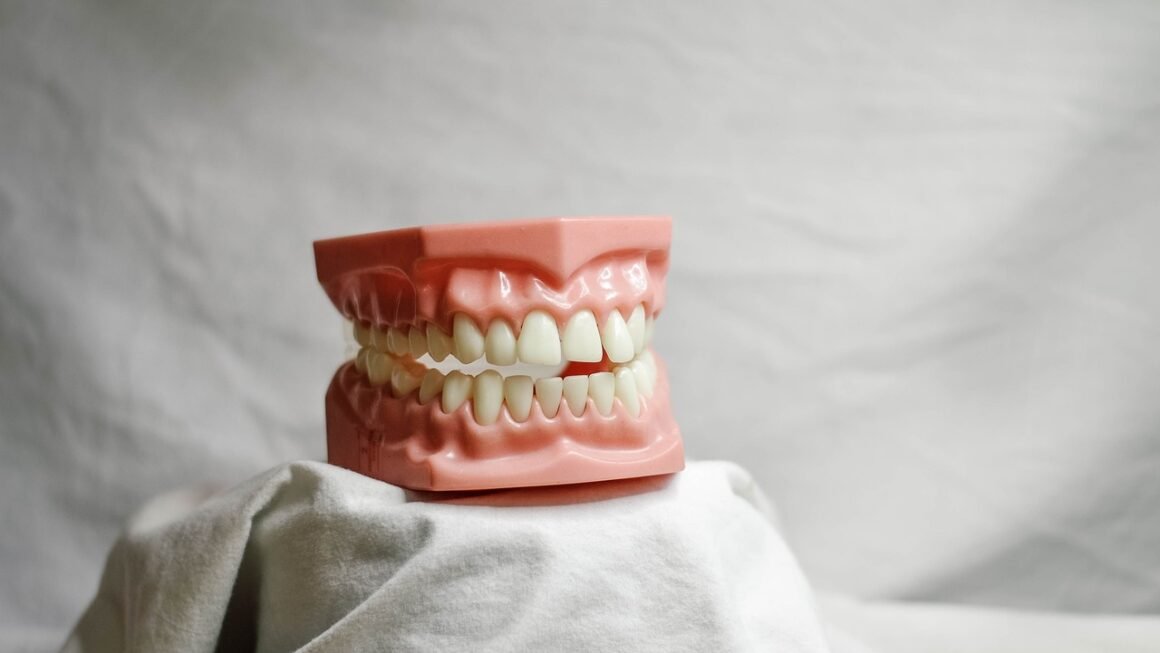
The persistent fear of the dentist’s drill is often rooted in a single culprit: cavities. These tiny holes, caused by tooth decay, can lead to pain, infection, and even tooth loss if left untreated. But the good news is that cavities are largely preventable. With the right knowledge and habits, you can significantly reduce your risk and maintain a healthy, bright smile. Let’s explore the key strategies for cavity prevention.
The Foundation of Cavity Prevention: Excellent Oral Hygiene
Brushing: Your First Line of Defense
Brushing your teeth is the cornerstone of preventing cavities. It removes plaque and food particles that feed bacteria, the primary culprits behind tooth decay.
- Technique Matters: Use a soft-bristled toothbrush and fluoride toothpaste. Angle the brush at 45 degrees towards the gum line and use gentle, circular motions. Avoid aggressive scrubbing, which can damage enamel and gums.
- Frequency is Key: Brush at least twice a day, ideally after meals. Pay particular attention to brushing before bed, as saliva production decreases overnight, making your teeth more vulnerable.
- Duration: Aim for at least two minutes each time you brush. Use a timer or an electric toothbrush with a built-in timer to ensure adequate brushing time.
- Toothpaste Choice: Always use fluoride toothpaste. Fluoride strengthens tooth enamel, making it more resistant to acid attacks from bacteria. Consider a toothpaste specifically designed for cavity protection.
Flossing: Reaching the Hidden Spots
Brushing alone can’t reach all the nooks and crannies where plaque accumulates. Flossing removes plaque and food particles from between your teeth and under the gum line.
- Daily Flossing: Floss at least once a day, preferably before brushing.
- Proper Technique: Use about 18 inches of floss and gently slide it between your teeth. Curve the floss around each tooth and slide it up and down, making sure to go below the gum line.
- Alternative Tools: If you find traditional flossing difficult, consider using interdental brushes, floss picks, or water flossers. These can be easier to maneuver and are especially helpful for people with braces or bridges.
Mouthwash: An Extra Layer of Protection
Using an antimicrobial or fluoride mouthwash can further reduce bacteria and strengthen enamel.
- Choose the Right Mouthwash: Look for mouthwashes containing fluoride or antimicrobial agents like chlorhexidine. Fluoride mouthwashes help strengthen enamel, while antimicrobial mouthwashes kill bacteria.
- Timing is Important: Rinse with mouthwash after brushing and flossing. Avoid rinsing with water immediately after using mouthwash, as this can wash away the beneficial ingredients.
- Follow Instructions: Use the recommended amount of mouthwash and swish for the specified time, usually 30 seconds.
Diet’s Impact on Cavity Formation
Sugar: The Enemy of Healthy Teeth
Sugar is a major contributor to cavity formation. Bacteria in your mouth feed on sugar, producing acids that erode tooth enamel.
- Limit Sugar Intake: Reduce your consumption of sugary foods and drinks, including candy, soda, juice, and processed foods.
- Read Labels: Be aware of hidden sugars in foods like sauces, yogurt, and bread.
- Smart Snacking: Opt for healthy snacks like fruits, vegetables, nuts, and cheese. If you do consume sugary snacks, brush your teeth afterward.
- Sugar Substitutes: Consider using sugar substitutes like xylitol, which can actually inhibit bacterial growth.
Acidic Foods and Drinks: A Stealth Attack
Acidic foods and drinks, such as citrus fruits, soda, and coffee, can also erode tooth enamel, making your teeth more susceptible to cavities.
- Moderate Consumption: Enjoy acidic foods and drinks in moderation.
- Rinse with Water: Rinse your mouth with water after consuming acidic foods or drinks to neutralize the acids.
- Avoid Brushing Immediately: Wait at least 30 minutes after consuming acidic foods or drinks before brushing your teeth, as the enamel is softened and more vulnerable to damage.
Promote Saliva Production: A Natural Defense
Saliva helps neutralize acids, remineralize enamel, and wash away food particles. Stimulating saliva production can help protect your teeth.
- Chew Sugar-Free Gum: Chewing sugar-free gum, especially after meals, stimulates saliva production.
- Stay Hydrated: Drink plenty of water throughout the day to keep your mouth moist.
- Eat Crunchy Foods: Crunchy fruits and vegetables, like apples and carrots, stimulate saliva production and help clean your teeth.
Fluoride: Strengthening Enamel and Fighting Decay
Fluoridated Water: A Public Health Benefit
Drinking fluoridated water is one of the most effective ways to prevent cavities. Fluoride strengthens tooth enamel, making it more resistant to acid attacks.
- Check Your Water Supply: Most public water supplies are fluoridated. Check with your local water department to confirm the fluoride levels in your water.
- Bottled Water: If you primarily drink bottled water, which may not contain fluoride, consider using fluoride supplements.
Fluoride Treatments: Professional Strength Protection
Professional fluoride treatments, such as fluoride varnish or gel, can provide an extra layer of protection against cavities.
- Regular Dental Visits: Your dentist can apply fluoride treatments during your regular checkups.
- High-Risk Patients: Fluoride treatments are particularly beneficial for people at high risk of developing cavities, such as those with dry mouth, gum disease, or a history of frequent cavities.
Regular Dental Checkups: Early Detection and Prevention
Professional Cleanings: Removing Stubborn Plaque and Tartar
Regular dental cleanings remove plaque and tartar (hardened plaque) that you can’t remove with brushing and flossing. These cleanings also allow your dentist to identify and address any potential problems early on.
- Frequency: Most people should visit the dentist for a cleaning and checkup every six months. Your dentist may recommend more frequent visits if you are at high risk of developing cavities or gum disease.
- Personalized Care: Your dentist can provide personalized advice on how to improve your oral hygiene and prevent cavities based on your individual needs.
Early Detection of Cavities: Minimizing Damage
Regular dental checkups allow your dentist to detect cavities early, when they are small and easier to treat. Early detection can prevent cavities from progressing and causing more serious problems.
- X-rays: X-rays can reveal cavities that are not visible during a visual examination.
- Comprehensive Examination: Your dentist will thoroughly examine your teeth and gums for signs of decay, gum disease, and other oral health problems.
Sealants: Protecting Vulnerable Surfaces
What are Dental Sealants?
Dental sealants are thin, plastic coatings that are applied to the chewing surfaces of molars. These surfaces have deep grooves and pits that are difficult to clean, making them susceptible to decay.
- How They Work: Sealants create a smooth, protective barrier that prevents bacteria and food particles from getting trapped in the grooves and pits.
- Ideal Candidates: Sealants are especially beneficial for children and teenagers, as their molars are still developing and more vulnerable to decay. Adults can also benefit from sealants, especially if they have deep grooves or a history of cavities.
Application and Maintenance
The application of sealants is a quick and painless procedure. They can last for several years with proper care.
- Application Process: The dentist will clean and dry the tooth, apply an etching solution to roughen the surface, and then apply the sealant. The sealant is then hardened with a special light.
- Maintenance: Sealants should be checked regularly by your dentist and can be reapplied if they wear down or chip.
Conclusion
Preventing cavities is a proactive approach to maintaining optimal oral health. By adopting excellent oral hygiene habits, making informed dietary choices, utilizing fluoride, scheduling regular dental checkups, and considering sealants, you can significantly reduce your risk of tooth decay and enjoy a healthy, beautiful smile for years to come. Remember, consistent effort is key, and even small changes in your daily routine can make a big difference in preventing those dreaded cavities.