Achieving a brighter, whiter smile is a goal for many, boosting confidence and leaving a lasting positive impression. Whether it’s for a special occasion or simply to enhance your everyday appearance, understanding the options for teeth whitening is crucial. This comprehensive guide explores the various teeth whitening methods available, their benefits, potential risks, and how to choose the best option for your individual needs.
Understanding Teeth Whitening
What Causes Teeth Discoloration?
Before diving into whitening methods, it’s important to understand why teeth become discolored in the first place. Several factors contribute, including:
- Food and Drinks: Coffee, tea, red wine, and dark berries are notorious for staining teeth.
- Tobacco Use: Smoking or chewing tobacco significantly darkens teeth.
- Poor Oral Hygiene: Inadequate brushing and flossing allow plaque and tartar to build up, leading to discoloration.
- Age: Over time, the outer enamel layer of teeth thins, revealing the yellow dentin underneath.
- Certain Medications: Some medications, like tetracycline antibiotics, can cause intrinsic staining, which is more difficult to remove.
- Trauma: Injuries to the teeth can cause discoloration.
Understanding the cause of your teeth discoloration can help you choose the most effective whitening method and prevent future staining.
Types of Tooth Stains
Tooth stains can be categorized into two main types:
- Extrinsic Stains: These stains are on the surface of the tooth enamel and are typically caused by food, drinks, and tobacco. They are usually easier to remove with regular brushing and professional cleaning.
- Intrinsic Stains: These stains are within the tooth structure (dentin) and are caused by factors such as age, medications, or trauma. They are more difficult to remove and often require professional whitening treatments.
Professional Teeth Whitening Options
In-Office Teeth Whitening
In-office teeth whitening, performed by a dentist, offers the most dramatic and immediate results. Here’s what to expect:
- Procedure: The dentist will protect your gums and soft tissues with a barrier. A high-concentration hydrogen peroxide gel is then applied to your teeth. A special light or laser may be used to activate the gel, accelerating the whitening process.
- Benefits: Significant whitening in a single appointment (typically 1-2 hours). Professional supervision ensures safety and minimizes sensitivity.
- Example: Zoom! Whitening is a popular in-office treatment that can lighten teeth by several shades in one visit.
- Cost: Generally ranges from $300 to $800 per session, depending on the location and the dentist’s fees.
Custom-Fitted Take-Home Trays
Dentists can also provide custom-fitted trays and whitening gel for use at home. This method offers a balance between effectiveness and convenience.
- Procedure: The dentist takes impressions of your teeth to create custom-fitted trays. You’ll receive a supply of whitening gel and instructions on how long to wear the trays each day (typically 30 minutes to a few hours).
- Benefits: More effective than over-the-counter options. Custom trays ensure even gel distribution and minimize gum irritation. Lower cost compared to in-office whitening.
- Example: A typical take-home kit includes trays and a carbamide peroxide gel with a concentration of 10-22%.
- Cost: Typically ranges from $200 to $500.
Over-the-Counter Teeth Whitening Products
Whitening Toothpastes
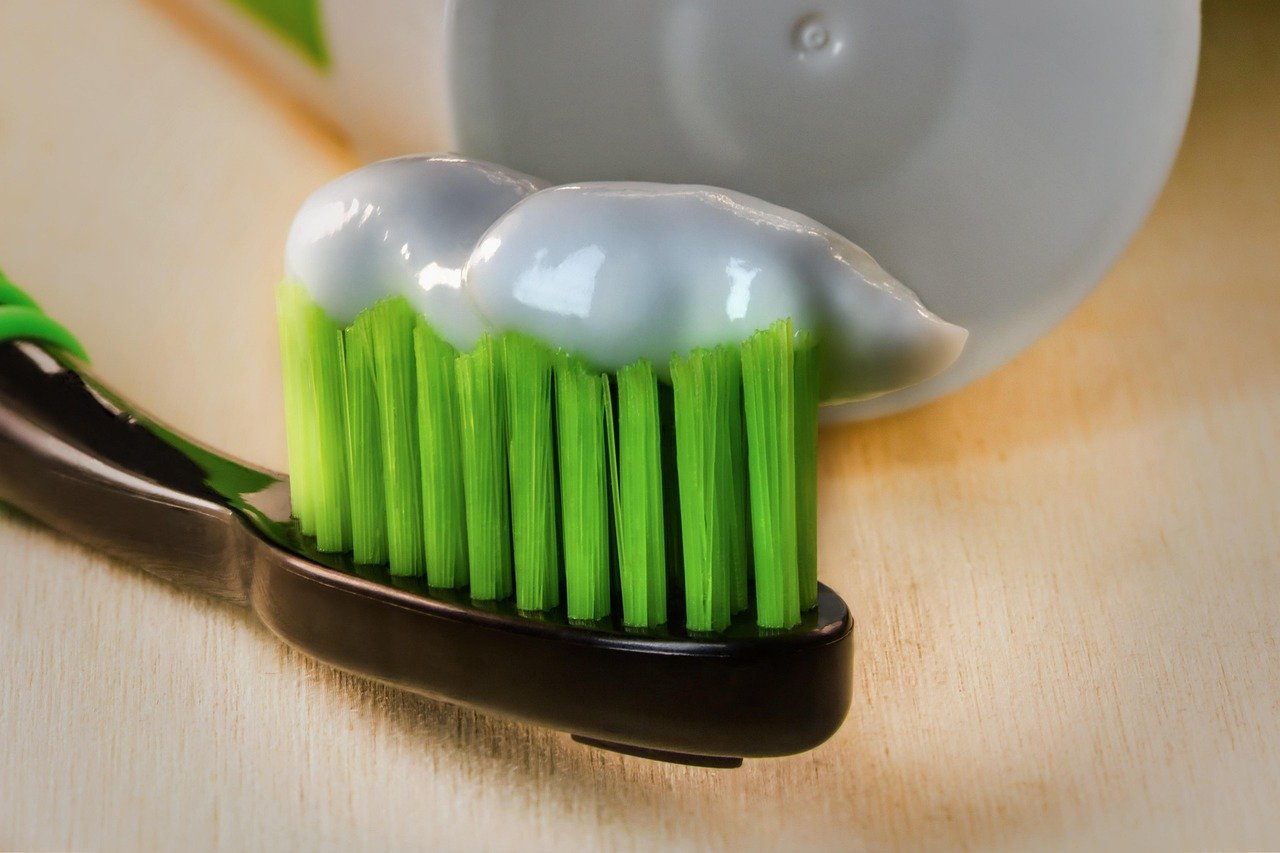
Whitening toothpastes contain mild abrasives and chemicals that help remove surface stains.
- How They Work: They primarily target extrinsic stains by physically scrubbing away discoloration.
- Benefits: Affordable and readily available. Can help maintain a whiter smile after professional treatment.
- Limitations: Minimal impact on intrinsic stains. Can be abrasive and damage enamel if used excessively.
- Example: Look for toothpastes with the ADA Seal of Acceptance, indicating they have been tested for safety and effectiveness.
- Practical Tip: Use whitening toothpaste as part of your regular oral hygiene routine, but don’t rely on it as your sole whitening method.
Whitening Strips
Whitening strips are thin, flexible strips coated with a hydrogen peroxide or carbamide peroxide gel.
- How They Work: The strips adhere to your teeth, delivering the whitening gel directly to the enamel surface.
- Benefits: More effective than whitening toothpastes. Relatively affordable and easy to use.
- Limitations: Can cause tooth sensitivity and gum irritation. Results are less dramatic than professional treatments. May not cover all tooth surfaces evenly.
- Example: Crest 3D White Whitestrips are a popular brand.
- Practical Tip: Follow the instructions carefully and avoid leaving the strips on for longer than recommended.
Whitening Mouthwashes
Whitening mouthwashes contain hydrogen peroxide and claim to whiten teeth over time.
- How They Work: The hydrogen peroxide in the mouthwash helps to oxidize stains on the tooth surface.
- Benefits: Easy to incorporate into your oral hygiene routine. Can help freshen breath.
- Limitations: Least effective whitening method compared to toothpastes and strips. Requires consistent use for several weeks to see noticeable results.
- Example: Some mouthwashes combine whitening agents with fluoride for added protection against cavities.
- Practical Tip: Rinse with the mouthwash for the recommended time (usually 60 seconds) and avoid eating or drinking for at least 30 minutes afterward.
Potential Risks and Side Effects
Tooth Sensitivity
Tooth sensitivity is a common side effect of teeth whitening, especially with higher concentrations of peroxide.
- Cause: The whitening agents can temporarily open up pores in the enamel, exposing the nerve endings.
- Management: Use a toothpaste designed for sensitive teeth. Avoid very hot or cold foods and drinks. Your dentist may recommend a fluoride treatment to help remineralize the enamel.
- Example: Toothpastes containing potassium nitrate are effective in reducing sensitivity.
Gum Irritation
Gum irritation can occur if the whitening gel comes into contact with the gums.
- Cause: The peroxide can irritate the soft tissues.
- Prevention: Use custom-fitted trays to prevent gel leakage. Apply a thin layer of petroleum jelly or vitamin E oil to your gums before whitening.
- Treatment: Rinse your mouth with warm salt water to soothe irritated gums.
Uneven Whitening
Uneven whitening can occur if the whitening agent is not applied evenly or if you have existing fillings or crowns.
- Cause: Fillings and crowns do not respond to whitening agents.
- Prevention: Consult with your dentist before whitening. They can assess your teeth and recommend the best approach. Consider replacing visible fillings or crowns after whitening to match the new tooth shade.
Choosing the Right Teeth Whitening Method
Consider Your Needs and Budget
The best whitening method depends on your individual needs, budget, and desired results.
- For Quick and Dramatic Results: In-office teeth whitening is the best option.
- For Effective and Convenient Whitening: Custom-fitted take-home trays are a good choice.
- For Mild Surface Stains and Maintenance: Whitening toothpastes and strips can be effective.
- Budget: Over-the-counter options are the most affordable, while professional treatments are more expensive.
Consult Your Dentist
It’s always best to consult with your dentist before starting any teeth whitening treatment.
- Assessment: Your dentist can assess your oral health and determine if you are a good candidate for whitening. They can also identify the cause of your discoloration and recommend the most appropriate treatment.
- Safety: Professional supervision ensures safety and minimizes the risk of side effects.
- Realistic Expectations: Your dentist can help you understand what results you can realistically expect to achieve.
Conclusion
Choosing the right teeth whitening method requires careful consideration of your individual needs, budget, and desired results. While over-the-counter options can be effective for mild surface stains, professional treatments offer more dramatic and predictable results. Consulting with your dentist is crucial to ensure safety and achieve the best possible outcome, leading to a brighter, more confident smile. Remember to maintain good oral hygiene practices to prolong the effects of whitening and prevent future discoloration.