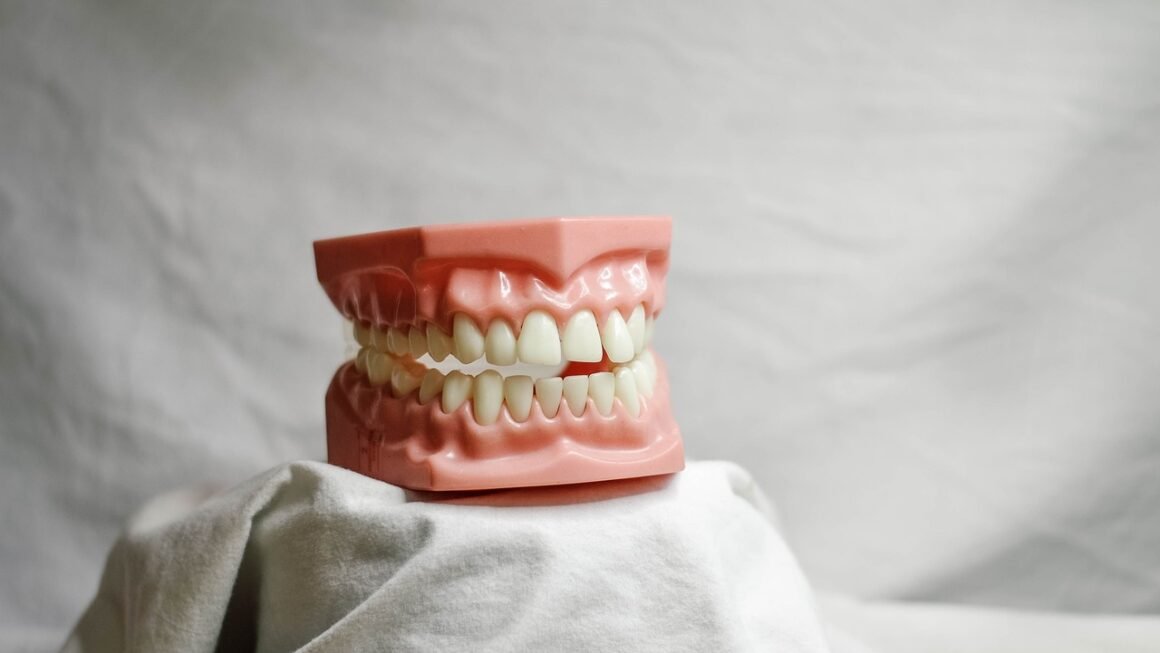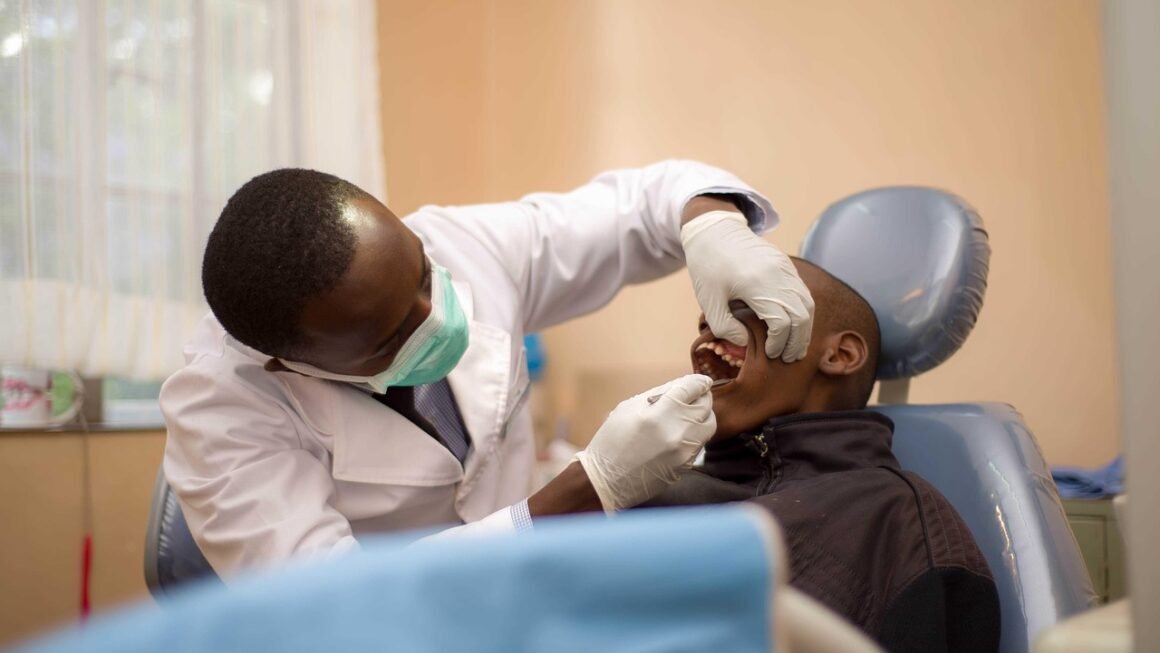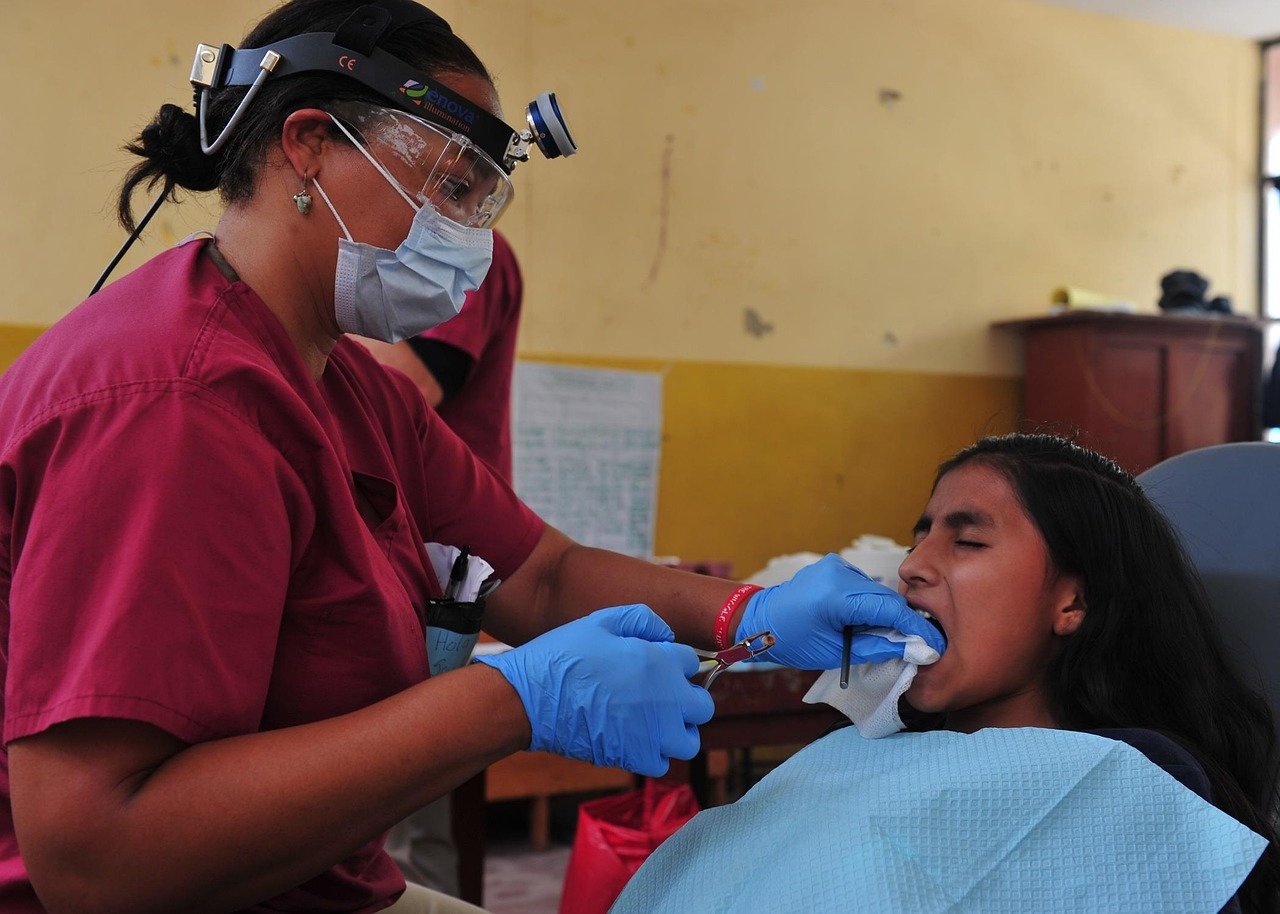
Are you smiling confidently at the world, or hiding your teeth? Regular dental checkups are far more than just a quick peek inside your mouth; they’re a crucial investment in your overall health and wellbeing. From preventing serious diseases to ensuring a bright, healthy smile that lasts a lifetime, understanding the importance of these appointments is key. Let’s delve into what dental checkups entail and why they should be a non-negotiable part of your healthcare routine.
Why Regular Dental Checkups are Essential
Early Detection of Dental Issues
Dental problems often develop silently. Cavities, gum disease, and even oral cancer can be present for quite some time without causing any noticeable pain. Regular checkups are crucial for early detection, allowing dentists to address these issues before they escalate into more serious and costly problems.
- Cavities: A dentist can identify cavities in their earliest stages, often before you even experience sensitivity. Early treatment usually involves a simple filling.
- Gum Disease: Gingivitis, the early stage of gum disease, is often reversible with professional cleaning and improved oral hygiene. Left untreated, it can progress to periodontitis, leading to tooth loss.
- Oral Cancer: Dentists are trained to recognize the signs of oral cancer. Early detection significantly increases the chances of successful treatment. The Oral Cancer Foundation estimates that roughly 54,000 Americans will be diagnosed with oral cancer this year. Regular screenings are vital.
- Example: Imagine you have a small cavity forming between your molars that you can’t see or feel. During a routine checkup, your dentist uses X-rays to detect it. A simple filling can prevent it from growing and causing significant pain or requiring a root canal later on.
Professional Cleaning and Plaque Removal
Even with meticulous brushing and flossing, it’s difficult to remove all plaque and tartar buildup from your teeth. Dental professionals have the tools and expertise to thoroughly clean your teeth, removing these stubborn deposits.
- Plaque: A sticky film of bacteria that constantly forms on teeth. If not removed, it can lead to cavities and gum disease.
- Tartar (Calculus): Hardened plaque that can only be removed by a dental professional. It provides a rough surface for more plaque to accumulate.
- Polishing: Smooths the surfaces of your teeth, making it harder for plaque to adhere.
- Example: The back molars are notoriously difficult to reach with a toothbrush. A dental hygienist can use specialized instruments to clean these areas thoroughly, preventing the buildup of plaque and tartar that can lead to cavities.
Monitoring Overall Oral Health
Dental checkups go beyond just looking at your teeth. Dentists also examine your gums, tongue, and other oral tissues to ensure they are healthy. They can identify signs of other health problems that may manifest in the mouth.
- Gum Health: Checking for signs of inflammation, bleeding, and recession.
- Tongue and Soft Tissues: Examining for lesions, ulcers, or other abnormalities.
- Bite Assessment: Evaluating your bite to identify potential problems like TMJ disorders.
- Example: Your dentist notices a small, painless ulcer on the side of your tongue. While it could be a minor irritation, they recommend a biopsy to rule out oral cancer. This proactive approach could be life-saving.
Personalized Oral Hygiene Advice
Every patient’s oral hygiene needs are different. Your dentist and hygienist can provide tailored advice based on your individual circumstances, helping you improve your at-home oral care routine.
- Brushing Techniques: Learning the proper way to brush your teeth to effectively remove plaque.
- Flossing Techniques: Mastering the art of flossing to clean between your teeth and below the gum line.
- Product Recommendations: Getting recommendations for the best toothbrush, toothpaste, and mouthwash for your specific needs.
- Example: You tell your hygienist that you struggle with flossing because your teeth are tightly spaced. They recommend using floss picks or interdental brushes to make the process easier and more effective.
What to Expect During a Dental Checkup
Examination
The dentist will visually examine your teeth, gums, and other oral tissues for any signs of problems. This includes looking for cavities, gum disease, oral cancer, and other abnormalities.
- Visual Inspection: Checking for obvious signs of decay, infection, or abnormalities.
- Probing: Using a small instrument to check for pocket depths around your teeth, which can indicate gum disease.
- Palpation: Feeling the tissues of your mouth and neck to check for lumps or other abnormalities.
Cleaning
A dental hygienist will clean your teeth, removing plaque and tartar buildup. This may involve using specialized instruments like scalers and polishers.
- Scaling: Removing plaque and tartar from the surfaces of your teeth.
- Polishing: Smoothing the surfaces of your teeth to remove stains and make it harder for plaque to adhere.
- Fluoride Treatment: Applying fluoride to strengthen your tooth enamel and protect against cavities.
X-Rays
X-rays allow the dentist to see areas of your mouth that are not visible during a visual examination, such as between your teeth and under your gums. They can help detect cavities, bone loss, and other problems.
- Bitewing X-Rays: Show the crowns of your upper and lower teeth, allowing the dentist to see cavities between your teeth.
- Periapical X-Rays: Show the entire tooth, from crown to root, and the surrounding bone.
- Panoramic X-Rays: Provide a wide view of your entire mouth, including your teeth, jaws, and sinuses.
Consultation and Treatment Planning
After the examination, cleaning, and X-rays (if needed), the dentist will discuss their findings with you and develop a treatment plan to address any problems. This plan may include fillings, cleanings, or other procedures.
- Discussion of Findings: The dentist will explain any problems they found and answer any questions you may have.
- Treatment Options: The dentist will discuss the different treatment options available and help you choose the best option for your needs.
- Appointment Scheduling: You’ll schedule any necessary follow-up appointments.
How Often Should You Get a Dental Checkup?
The general recommendation is to visit your dentist for a checkup and cleaning every six months. However, the frequency may vary depending on your individual needs and risk factors.
- Good Oral Health: If you have good oral health and no risk factors for dental problems, you may be able to get away with checkups every 12 months.
- Risk Factors: If you have risk factors such as gum disease, dry mouth, or a history of cavities, you may need to visit your dentist more frequently.
- Children: Children should have their first dental checkup by their first birthday or within six months of their first tooth erupting.
- Example: Someone with well-maintained oral hygiene and no significant dental history might only need a checkup once a year, while someone prone to gum disease might need to visit the dentist every three to four months.
Overcoming Dental Anxiety
Dental anxiety is a common issue that prevents many people from seeking regular dental care. However, there are ways to overcome this fear and make dental visits more comfortable.
- Communicate with Your Dentist: Talk to your dentist about your anxiety. They can adjust their approach to make you feel more comfortable.
- Relaxation Techniques: Practice relaxation techniques such as deep breathing or meditation before and during your appointment.
- Distraction: Bring headphones and listen to music or a podcast during your treatment.
- Sedation Dentistry: Ask your dentist about sedation dentistry options, such as nitrous oxide (laughing gas) or oral sedation.
- Example: You’re nervous about getting a filling. You tell your dentist about your anxiety, and they explain the procedure in detail, answer your questions patiently, and offer you nitrous oxide to help you relax.
Conclusion
Dental checkups are an essential part of maintaining your overall health and wellbeing. By detecting and treating dental problems early, you can prevent more serious issues from developing and ensure a healthy, confident smile for years to come. Don’t let fear or procrastination keep you from scheduling your next appointment. Your teeth – and your overall health – will thank you for it.