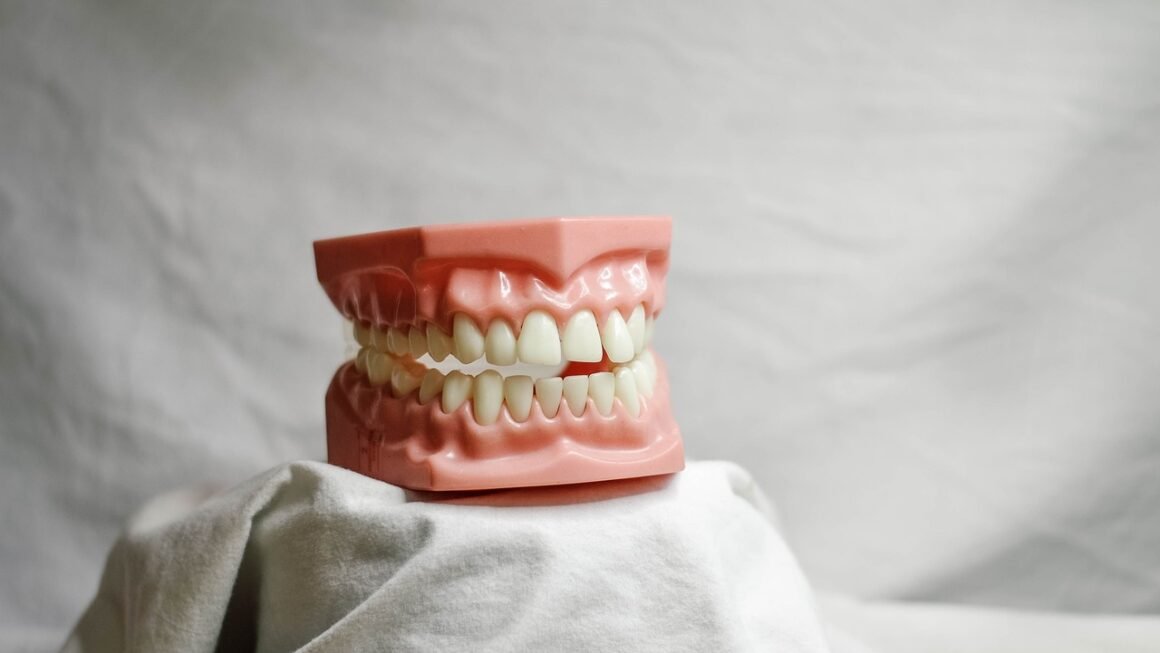
Maintaining a healthy smile goes beyond just brushing your teeth in the morning. It’s a daily commitment to a routine that protects your teeth and gums from decay, disease, and discoloration. Good dental hygiene not only boosts your confidence with a brighter smile, but also plays a vital role in your overall health. This comprehensive guide will provide you with expert dental hygiene tips to keep your mouth healthy and sparkling clean.
The Power of Proper Brushing Techniques
Choose the Right Toothbrush
- Soft-bristled: Opt for a soft-bristled toothbrush. Hard bristles can damage enamel and irritate gums. The American Dental Association (ADA) recommends soft-bristled toothbrushes for most people.
- Size and Shape: Select a brush head size and shape that allows you to reach all areas of your mouth comfortably.
- Electric vs. Manual: Both electric and manual toothbrushes can effectively clean teeth. Electric toothbrushes may be more beneficial for people with limited dexterity.
- Actionable Tip: Replace your toothbrush every 3-4 months, or sooner if the bristles are frayed. Frayed bristles are less effective at cleaning teeth.
Brushing Frequency and Duration
- Brush Twice Daily: Brush your teeth at least twice a day, once in the morning and once before bed.
- Two-Minute Rule: Spend at least two minutes brushing each time. A study by the Journal of the American Dental Association (JADA) showed that most people only brush for 45-70 seconds.
- Proper Technique: Use gentle, circular motions to clean all surfaces of each tooth. Angle the brush at a 45-degree angle towards the gumline.
- Actionable Tip: Set a timer for two minutes while brushing to ensure you’re brushing for an adequate amount of time. Consider using an electric toothbrush with a built-in timer.
Areas Often Missed While Brushing
- Back Teeth: The molars are often neglected due to their location. Pay extra attention to cleaning these areas.
- Gumline: Plaque and bacteria tend to accumulate along the gumline, so be sure to brush this area thoroughly.
- Tongue: Brush your tongue to remove bacteria and freshen your breath. A tongue scraper can also be used.
- Actionable Tip: Visualize dividing your mouth into quadrants (upper left, upper right, lower left, lower right) and spending 30 seconds cleaning each quadrant.
The Importance of Flossing Daily
Why Floss?
- Removes Plaque: Flossing removes plaque and food particles from between teeth and under the gumline, areas that a toothbrush can’t reach.
- Prevents Gum Disease: Regular flossing helps prevent gingivitis (gum inflammation) and periodontitis (gum disease).
- Reduces Bad Breath: By removing trapped food and bacteria, flossing helps to freshen your breath.
- Actionable Tip: Make flossing a daily habit. Keep floss in a visible spot, like next to your toothbrush, to remind you.
Flossing Techniques
- Use Enough Floss: Start with about 18 inches of floss.
- Gentle Approach: Gently guide the floss between your teeth using a sawing motion. Avoid snapping the floss into your gums.
- Form a “C” Shape: Curve the floss around each tooth in a “C” shape and slide it up and down, reaching slightly under the gumline.
- Use a Clean Section: Use a clean section of floss for each tooth.
- Actionable Tip: If you find traditional floss difficult to use, consider using floss picks or interdental brushes. These can be especially helpful for people with braces or tight spaces between their teeth.
Timing of Flossing
- Before or After Brushing: It doesn’t matter whether you floss before or after brushing, as long as you do it!
- Consistent Routine: Establish a consistent routine and floss at the same time each day to make it a habit.
- Actionable Tip: Floss at night before bed to remove food and plaque that accumulated throughout the day.
Incorporating Mouthwash into Your Routine
Types of Mouthwash
- Fluoride Mouthwash: Helps strengthen tooth enamel and prevent cavities.
- Antiseptic Mouthwash: Kills bacteria and reduces plaque and gingivitis.
- Cosmetic Mouthwash: Temporarily freshens breath but doesn’t offer therapeutic benefits.
- Actionable Tip: Choose a mouthwash recommended by your dentist based on your specific needs.
How to Use Mouthwash
- After Brushing and Flossing: Rinse with mouthwash after brushing and flossing to help remove any remaining debris and freshen breath.
- Follow Instructions: Use the recommended amount of mouthwash and swish for 30-60 seconds, as directed on the bottle.
- Avoid Eating or Drinking: Avoid eating or drinking for 30 minutes after using mouthwash to allow it to work effectively.
- Actionable Tip: Look for alcohol-free mouthwashes to avoid drying out your mouth. Dry mouth can increase the risk of tooth decay.
Benefits of Mouthwash
- Reduces Plaque and Gingivitis: Antiseptic mouthwashes can help reduce plaque and gingivitis, especially in hard-to-reach areas.
- Freshens Breath: Mouthwash can temporarily freshen breath and mask bad odors.
- Provides Fluoride Protection: Fluoride mouthwash can help strengthen tooth enamel and prevent cavities.
- Actionable Tip: Mouthwash is an addition to brushing and flossing, not a replacement. Don’t rely on mouthwash alone to maintain good oral hygiene.
Diet and Its Impact on Dental Health
Foods to Limit
- Sugary Foods and Drinks: Sugary foods and drinks feed bacteria in your mouth, leading to plaque buildup and tooth decay. Limit your intake of candy, soda, and fruit juice.
- Acidic Foods and Drinks: Acidic foods and drinks, such as citrus fruits, vinegar, and soda, can erode tooth enamel. Consume them in moderation.
- Sticky Foods: Sticky foods, like caramel and gummy candies, cling to teeth and are difficult to remove.
- Actionable Tip: Rinse your mouth with water after consuming sugary or acidic foods and drinks.
Foods to Promote Dental Health
- Crunchy Fruits and Vegetables: Crunchy fruits and vegetables, like apples and carrots, stimulate saliva production and help clean teeth.
- Dairy Products: Dairy products, like milk and cheese, are rich in calcium and phosphorus, which are essential for strong teeth.
- Leafy Greens: Leafy greens, like spinach and kale, are rich in vitamins and minerals that promote overall health, including dental health.
- Actionable Tip: Include a variety of nutrient-rich foods in your diet to support your dental health.
Hydration and Dental Health
- Drink Plenty of Water: Water helps to rinse away food particles and bacteria and keeps your mouth hydrated.
- Avoid Sugary Drinks: Replace sugary drinks with water to reduce your risk of tooth decay.
- Dry Mouth: Dry mouth increases the risk of tooth decay. If you experience dry mouth, drink plenty of water and talk to your dentist about possible causes and treatments.
- Actionable Tip: Carry a water bottle with you throughout the day and sip on it regularly.
Regular Dental Check-ups
Importance of Professional Cleanings
- Removes Tartar: Tartar (hardened plaque) can only be removed by a dental professional.
- Prevents Gum Disease: Regular cleanings help prevent gum disease by removing plaque and tartar buildup.
- Detects Problems Early: Your dentist can detect early signs of tooth decay, gum disease, and other oral health problems during a check-up.
- Actionable Tip: Schedule a dental cleaning every six months, or more frequently if recommended by your dentist.
What to Expect During a Dental Exam
- Visual Examination: Your dentist will visually examine your teeth, gums, and mouth for any signs of problems.
- X-Rays: X-rays may be taken to check for cavities, bone loss, and other issues that are not visible during a visual examination.
- Professional Cleaning: A dental hygienist will clean your teeth, removing plaque and tartar buildup.
- Oral Cancer Screening: Your dentist will perform an oral cancer screening to check for any signs of cancer in your mouth.
- Actionable Tip: Be open and honest with your dentist about any oral health concerns or symptoms you are experiencing.
Customizing Your Dental Care
- Individual Needs: Your dentist can tailor your dental care to meet your individual needs and risk factors.
- Preventive Treatments: Your dentist may recommend preventive treatments, such as fluoride treatments or sealants, to protect your teeth from decay.
- Oral Hygiene Instructions: Your dentist and hygienist can provide you with personalized oral hygiene instructions to help you maintain good oral health at home.
- Actionable Tip:* Follow your dentist’s recommendations and schedule regular check-ups to maintain a healthy smile.
Conclusion
Maintaining excellent dental hygiene is a cornerstone of overall health and well-being. By adopting these tips – from brushing and flossing effectively to making smart dietary choices and attending regular dental check-ups – you can significantly reduce your risk of dental problems and enjoy a confident, healthy smile for years to come. Remember, consistency is key! Integrate these practices into your daily routine and partner with your dentist to create a personalized plan for optimal oral health. A proactive approach to dental hygiene will not only benefit your smile but contribute to a healthier, happier you.