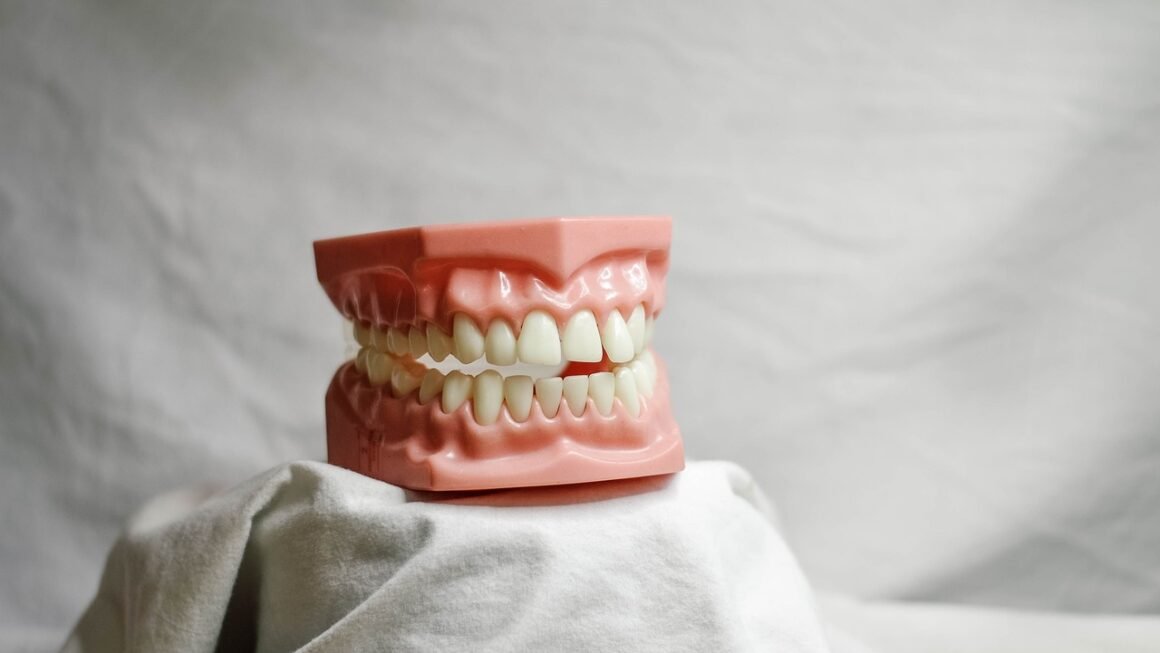
Maintaining excellent dental hygiene is a cornerstone of overall health. Beyond just a bright smile, a consistent oral care routine protects you from gum disease, tooth decay, and even systemic health issues. But with so many products and techniques available, navigating the world of dental hygiene can feel overwhelming. This comprehensive guide provides you with the essential knowledge and practical tips to achieve and maintain optimal oral health.
The Foundation: Brushing Techniques and Toothpaste Selection
Mastering the Art of Brushing
Brushing your teeth is the first line of defense against plaque and bacteria. But are you brushing effectively? Many people rush through this crucial step. The American Dental Association recommends brushing for two minutes, twice a day.
- Technique: Use gentle, circular motions, paying attention to all surfaces of each tooth. Don’t scrub aggressively, as this can damage your gums and enamel. Angle the brush slightly towards the gumline.
- Timing: Brush in the morning after breakfast and again before bed. This helps remove food particles and plaque that accumulate throughout the day.
- Coverage: Divide your mouth into quadrants and spend 30 seconds on each. Consider using a timer or a toothbrush with a built-in timer to ensure you’re brushing for the recommended duration.
Choosing the Right Toothpaste
With countless toothpaste options on the market, selecting the right one can be confusing. Look for toothpaste that contains fluoride, which strengthens tooth enamel and helps prevent cavities.
- Fluoride Content: The ideal fluoride concentration for adults is generally between 1350 and 1500 ppm (parts per million). Check the packaging for this information.
- Special Needs: If you have sensitive teeth, choose a toothpaste specifically formulated for sensitivity, which often contains ingredients like potassium nitrate. For whitening, consider toothpaste with mild abrasives.
- Avoid These: Beware of abrasive toothpastes that can damage enamel over time. If you have specific dental concerns, consult with your dentist for personalized recommendations.
Beyond Brushing: The Power of Flossing
The Importance of Interdental Cleaning
Flossing removes plaque and food particles from between your teeth, areas that your toothbrush can’t reach. Skipping flossing allows bacteria to thrive, leading to gum disease and cavities. Studies show that approximately 47.2% of adults aged 30 years or older have some form of periodontal disease.
- Proper Technique: Use about 18 inches of floss, wrapping it around your middle fingers and leaving a few inches to work with. Gently guide the floss between your teeth using a sawing motion. Curve the floss into a “C” shape around each tooth and slide it gently under the gumline.
- Frequency: Floss at least once a day, preferably before bedtime. This helps remove bacteria that accumulate overnight.
- Alternatives: If you find traditional flossing difficult, consider using interdental brushes or water flossers, which can be easier to maneuver, especially if you have tight spaces or braces.
Choosing Your Floss
There are several types of floss available, each with its own benefits.
- Waxed vs. Unwaxed: Waxed floss slides more easily between teeth, while unwaxed floss can be thinner and may be more effective at scraping away plaque.
- Flavored vs. Unflavored: Flavored floss can make flossing more enjoyable, but it doesn’t offer any additional health benefits.
- Dental Tape: Dental tape is wider and flatter than traditional floss, making it a good option for people with larger gaps between their teeth.
Rinsing and Tongue Cleaning: Completing the Oral Hygiene Routine
The Benefits of Mouthwash
Mouthwash can supplement your brushing and flossing routine by killing bacteria, reducing plaque, and freshening your breath.
- Types of Mouthwash:
Fluoride Mouthwash: Helps strengthen tooth enamel and prevent cavities.
Antiseptic Mouthwash: Contains ingredients like chlorhexidine or cetylpyridinium chloride (CPC) to kill bacteria.
* Cosmetic Mouthwash: Primarily freshens breath and doesn’t offer significant antibacterial benefits.
- When to Use: Use mouthwash after brushing and flossing. Rinse for 30 seconds and avoid swallowing.
- Cautions: Some mouthwashes contain alcohol, which can dry out your mouth. Consider alcohol-free options, especially if you suffer from dry mouth.
Don’t Forget Your Tongue
Your tongue can harbor a significant amount of bacteria, contributing to bad breath and other oral health problems.
- Techniques: Use a tongue scraper or a toothbrush to gently clean your tongue, starting from the back and moving forward.
- Frequency: Clean your tongue daily as part of your oral hygiene routine.
- Benefits: Cleaning your tongue helps remove bacteria, freshen breath, and improve your sense of taste.
Diet and Lifestyle: Impacting Your Oral Health
The Sugar Connection
Sugary foods and drinks are a major contributor to tooth decay. Bacteria in your mouth feed on sugar, producing acids that erode tooth enamel.
- Limit Sugar Intake: Reduce your consumption of sugary snacks, drinks, and processed foods.
- Read Labels: Be aware of hidden sugars in foods like sauces, dressings, and even bread.
- Hydrate with Water: Water helps wash away food particles and keeps your mouth hydrated, which is essential for saliva production. Saliva neutralizes acids and helps remineralize tooth enamel.
The Role of Acidic Foods and Drinks
Acidic foods and drinks, such as citrus fruits, sodas, and energy drinks, can also erode tooth enamel.
- Minimize Exposure: Limit your intake of acidic foods and drinks.
- Rinse After Consumption: Rinse your mouth with water after consuming acidic items to neutralize the acids.
- Avoid Brushing Immediately: Wait at least 30 minutes before brushing your teeth after consuming acidic foods or drinks to allow your enamel to re-harden.
Regular Dental Check-ups: The Professional Touch
The Importance of Preventative Care
Regular dental check-ups are essential for maintaining optimal oral health. Your dentist can detect problems early, before they become more serious and costly to treat.
- Frequency: The American Dental Association recommends visiting your dentist every six months for a check-up and cleaning. However, your dentist may recommend more frequent visits depending on your individual needs.
- What to Expect: During a check-up, your dentist will examine your teeth and gums, check for signs of decay or gum disease, and provide a professional cleaning to remove plaque and tartar.
- X-rays: X-rays may be taken to detect problems that are not visible during a visual examination, such as cavities between teeth or bone loss.
Addressing Dental Concerns Early
Don’t wait until you experience pain or discomfort to see your dentist. Early detection and treatment of dental problems can prevent them from becoming more serious.
- Common Issues: Be aware of common dental problems such as cavities, gum disease, and oral cancer.
- Symptoms to Watch For: Watch out for symptoms such as bleeding gums, persistent bad breath, tooth sensitivity, and sores in your mouth.
- Don’t Delay Treatment: If you experience any of these symptoms, schedule an appointment with your dentist as soon as possible.
Conclusion
Maintaining excellent dental hygiene is an ongoing commitment that requires consistent effort and attention. By following the tips outlined in this guide, you can establish a solid foundation for a lifetime of healthy teeth and gums. Remember to brush and floss regularly, use mouthwash and clean your tongue, limit sugary and acidic foods, and visit your dentist for regular check-ups. Your smile, and your overall health, will thank you for it.