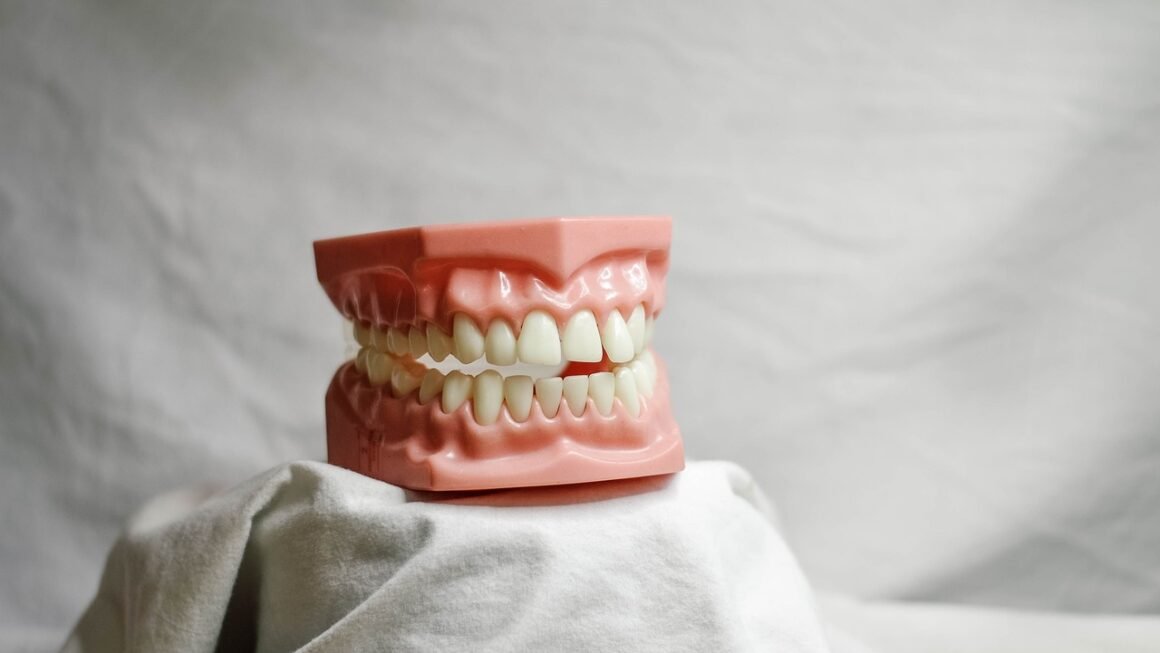
Maintaining a bright, healthy smile requires more than just a quick brush in the morning. A comprehensive dental care routine is an investment in your overall well-being, preventing issues like cavities, gum disease, and even systemic health problems linked to poor oral hygiene. Let’s dive into creating the perfect dental care routine tailored for a dazzling and healthy smile.
The Foundation: Brushing Techniques
Brushing is the cornerstone of any effective dental care routine. It removes plaque and food particles that lead to tooth decay and gum disease. But it’s not just about how often you brush, but how you brush.
Frequency and Timing
- Brush at least twice a day. Ideally, brush in the morning after breakfast and before going to bed.
- Wait at least 30 minutes after eating before brushing, especially after consuming acidic foods or drinks like citrus fruits or soda. This prevents weakening the enamel while it’s softened by acids.
- If you’re prone to plaque buildup, consider brushing after every meal.
Proper Brushing Technique
- Use a soft-bristled toothbrush. Medium or hard bristles can damage your gums and enamel over time.
- Angle the toothbrush at 45 degrees towards the gum line.
- Use short, gentle, circular motions, covering all surfaces of each tooth.
- Brush for at least two minutes. A timer can be helpful!
- Don’t forget to brush your tongue to remove bacteria and freshen your breath.
Choosing the Right Toothbrush
- Manual vs. Electric: Both can be effective. Electric toothbrushes often have built-in timers and pressure sensors, making it easier to brush correctly. Studies show that electric toothbrushes are more effective at removing plaque.
- Soft Bristles: Always opt for soft bristles to avoid damaging your gums.
- Size and Shape: Choose a toothbrush head that allows you to comfortably reach all areas of your mouth.
The Importance of Flossing
Flossing removes plaque and food particles from between your teeth and under the gum line, areas that your toothbrush can’t reach. Skipping flossing allows plaque to accumulate, leading to gum disease and cavities between teeth.
Flossing Technique
- Use about 18 inches of floss, winding most of it around your middle fingers, leaving a few inches to work with.
- Gently guide the floss between your teeth using a sawing motion.
- Curve the floss into a “C” shape around each tooth, making sure to go below the gum line.
- Use a clean section of floss for each tooth.
- Be gentle! Avoid snapping the floss against your gums, which can cause damage.
Types of Floss
- Waxed vs. Unwaxed: Waxed floss can be easier to slide between tight teeth.
- Flavored Floss: Can make flossing more enjoyable and encourage consistency.
- Dental Tape: Wider and flatter than regular floss, good for wider spaces between teeth.
- Floss Picks: Pre-threaded floss holders, convenient for on-the-go flossing but may not be as effective as traditional floss.
When to Floss
- Floss at least once a day.
- The best time to floss is before brushing, as it allows the fluoride from your toothpaste to reach the areas between your teeth more effectively.
Rinse and Refresh: Mouthwash Benefits
Mouthwash is an excellent addition to your dental care routine, offering several benefits beyond just fresh breath. However, it’s important to choose the right type of mouthwash and use it correctly.
Types of Mouthwash
- Fluoride Mouthwash: Strengthens tooth enamel and helps prevent cavities. Look for mouthwashes containing fluoride (e.g., sodium fluoride).
- Antiseptic Mouthwash: Kills bacteria and helps reduce plaque and gingivitis. Common ingredients include chlorhexidine gluconate (prescription only) and essential oils (e.g., Listerine).
- Cosmetic Mouthwash: Primarily freshens breath but doesn’t offer significant therapeutic benefits.
How to Use Mouthwash
- Rinse with mouthwash after brushing and flossing.
- Use the recommended amount (usually around 20 ml or 4 teaspoons).
- Swish the mouthwash around in your mouth for 30-60 seconds.
- Do not swallow the mouthwash.
- Avoid eating or drinking for at least 30 minutes after using mouthwash.
Benefits of Mouthwash
- Reduces plaque and gingivitis. Studies show antiseptic mouthwashes can reduce plaque buildup by up to 56% and gingivitis by up to 36%.
- Strengthens tooth enamel (fluoride mouthwash).
- Freshens breath.
- Can help with dry mouth (look for alcohol-free options).
- Can aid in healing after dental procedures (use as directed by your dentist).
Diet and Hydration: Fueling a Healthy Smile
What you eat and drink significantly impacts your dental health. Sugary and acidic foods and drinks contribute to tooth decay, while a balanced diet supports strong teeth and healthy gums.
Foods to Limit or Avoid
- Sugary Foods and Drinks: Candy, soda, pastries, and processed foods are high in sugar, which feeds bacteria in your mouth and leads to acid production, causing cavities.
- Acidic Foods and Drinks: Citrus fruits, vinegar, and carbonated drinks erode tooth enamel.
- Sticky Foods: Dried fruits, gummy candies, and caramel cling to your teeth, prolonging exposure to sugar and acid.
Foods for Healthy Teeth
- Crunchy Fruits and Vegetables: Apples, carrots, and celery stimulate saliva production, which helps neutralize acids and wash away food particles.
- Dairy Products: Milk, cheese, and yogurt are rich in calcium and phosphorus, which strengthen tooth enamel.
- Leafy Greens: Spinach, kale, and other leafy greens are packed with vitamins and minerals essential for oral health.
- Lean Proteins: Meat, poultry, fish, and eggs provide phosphorus and other nutrients needed for strong teeth.
Hydration: The Power of Water
- Drink plenty of water throughout the day. Water helps wash away food particles and bacteria, and it stimulates saliva production.
- Choose water over sugary drinks.
- Rinse your mouth with water after meals if you can’t brush right away.
Regular Dental Check-ups: Prevention is Key
Regular dental check-ups and cleanings are essential for maintaining optimal oral health. Your dentist can detect problems early, before they become more serious and costly to treat.
Frequency of Check-ups
- Most adults should visit the dentist every six months for a check-up and cleaning.
- Your dentist may recommend more frequent visits if you have specific oral health concerns, such as gum disease or a history of cavities.
- Children should also have regular dental check-ups, starting around their first birthday.
What to Expect During a Check-up
- Examination: Your dentist will examine your teeth, gums, and mouth for signs of decay, gum disease, and other problems.
- Cleaning: A dental hygienist will remove plaque and tartar from your teeth.
- X-rays: X-rays may be taken to detect problems that are not visible to the naked eye, such as cavities between teeth or bone loss.
- Discussion: Your dentist will discuss your oral health with you and recommend any necessary treatment.
Benefits of Regular Check-ups
- Early detection and treatment of dental problems.
- Prevention of cavities and gum disease.
- Professional teeth cleaning.
- Personalized oral hygiene advice.
- Improved overall health.
Conclusion
Establishing a consistent and effective dental care routine is vital for a healthy smile and overall well-being. By following these guidelines – brushing correctly, flossing diligently, using mouthwash appropriately, making smart dietary choices, and scheduling regular dental check-ups – you can take proactive steps towards maintaining a radiant and healthy smile for years to come. Remember, consistency is key, and small changes to your daily habits can make a significant difference in your long-term oral health.