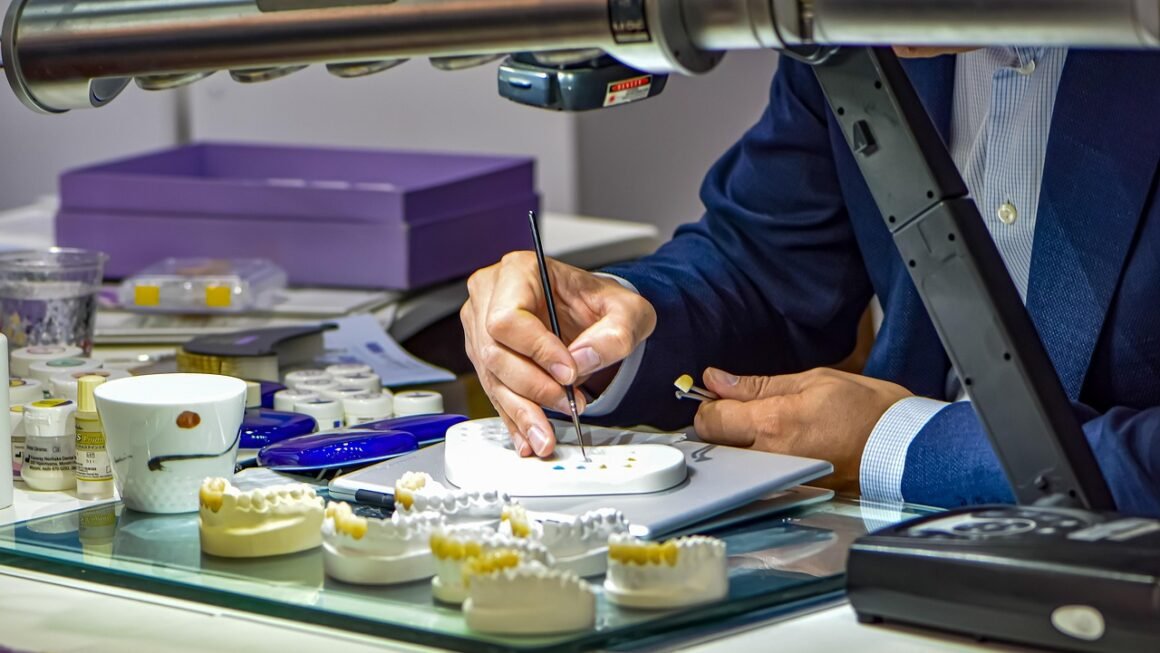
Peroxide gel: it’s a common ingredient found in everything from teeth whitening kits to acne treatments, but how much do you really know about it? This clear, sometimes bubbling substance is more than just a bleaching agent. It’s a versatile chemical compound with a range of applications, both medical and industrial. This article will delve into the world of peroxide gel, exploring its uses, benefits, safety considerations, and more.
What is Peroxide Gel?
Chemical Composition
Peroxide gel, often referring to hydrogen peroxide (H2O2) gel, is a viscous form of hydrogen peroxide. It contains a higher concentration of hydrogen peroxide than the standard solutions found in your local drugstore. The gel formulation allows for controlled application and prolonged contact time, making it more effective for certain applications.
- The concentration of hydrogen peroxide in the gel can vary, typically ranging from 3% to 40%, depending on the intended use.
- Other ingredients may be added to stabilize the hydrogen peroxide and enhance its efficacy. These can include thickeners, pH adjusters, and flavorings (in oral care products).
- The viscosity of the gel is crucial as it prevents the peroxide from running or dripping, ensuring it stays precisely where it’s applied.
How Peroxide Gel Works
Peroxide gel works by releasing oxygen when it comes into contact with enzymes in the target area. This oxidation process is responsible for its bleaching, disinfecting, and deodorizing properties.
- Bleaching: The oxygen molecules break down chromophores (color-causing molecules) in stains or discoloration, making them appear lighter.
- Disinfecting: The released oxygen creates an environment hostile to anaerobic bacteria, effectively killing them.
- Deodorizing: Oxidation also breaks down the compounds responsible for unpleasant odors.
Common Uses of Peroxide Gel
Teeth Whitening
Perhaps the most well-known use of peroxide gel is in teeth whitening. Both professional dental treatments and at-home kits utilize it to lighten tooth enamel.
- Professional Treatments: Dentists use higher concentrations of peroxide gel (around 25-40%) for in-office teeth whitening, often combined with light or laser activation to accelerate the process. This provides faster and more dramatic results.
- At-Home Kits: Over-the-counter teeth whitening kits typically contain lower concentrations of peroxide gel (around 3-10%). These kits involve wearing trays filled with the gel for a specified period each day, offering a more gradual whitening effect.
- Example: A patient with noticeable teeth stains may opt for a professional teeth whitening treatment using 35% peroxide gel, followed by an at-home maintenance routine with a 10% peroxide gel kit.
Acne Treatment
Peroxide gel is also a common ingredient in acne treatments, particularly for mild to moderate acne.
- Mechanism: Hydrogen peroxide helps to kill Cutibacterium acnes, the bacteria implicated in acne development. It also has mild exfoliating properties, helping to unclog pores.
- Application: Acne treatments with peroxide gel are usually applied directly to pimples or affected areas. It’s crucial to follow the product’s instructions and avoid over-application, which can lead to dryness and irritation.
- Example: Someone with occasional breakouts might use a spot treatment containing 2.5% benzoyl peroxide gel on emerging pimples.
Wound Care
While less common now due to concerns about cell damage, dilute peroxide solutions (not high concentration gels) can be used as a mild antiseptic for minor cuts and abrasions.
- Antiseptic Action: The release of oxygen helps to kill bacteria and cleanse the wound.
- Caution: It’s important to use diluted solutions and avoid prolonged or repeated use, as hydrogen peroxide can also damage healthy tissue and delay healing.
- Current Recommendations: Many medical professionals now recommend saline solution for wound cleaning due to its gentler effect.
Industrial Applications
Beyond medical and cosmetic uses, peroxide gel has several industrial applications.
- Disinfection: It’s used for disinfecting surfaces in hospitals, laboratories, and food processing plants.
- Bleaching: It can be employed as a bleaching agent in the textile and paper industries.
- Example: A hospital might use a vaporized hydrogen peroxide system with concentrations similar to gel applications to sterilize entire rooms and equipment.
Benefits of Peroxide Gel
Effective Whitening
Peroxide gel is highly effective at whitening teeth, capable of removing stubborn stains and discoloration.
- Removes Stains: It breaks down a wide range of stains caused by food, drinks, and smoking.
- Brightens Enamel: Regular use can significantly brighten tooth enamel, resulting in a more attractive smile.
- Data: Studies show that teeth whitening with peroxide gel can improve tooth shade by several shades on the VITA scale.
Antimicrobial Properties
The antimicrobial properties of peroxide gel make it useful for disinfecting and treating infections.
- Kills Bacteria: It effectively eliminates various bacteria, including those responsible for acne and wound infections.
- Reduces Inflammation: By killing bacteria, it can help reduce inflammation and promote healing.
Targeted Application
The gel form allows for precise application, minimizing the risk of irritation to surrounding areas.
- Controlled Delivery: The viscous consistency prevents the peroxide from spreading, ensuring it only affects the intended area.
- Prolonged Contact: The gel stays in contact with the target area for longer periods, maximizing its effectiveness.
Safety Considerations and Potential Side Effects
Sensitivity and Irritation
One of the most common side effects of peroxide gel, especially in teeth whitening, is tooth sensitivity and gum irritation.
- Tooth Sensitivity: This occurs when the peroxide penetrates the enamel and stimulates the nerves in the teeth.
- Gum Irritation: Contact with gums can cause redness, swelling, and discomfort.
- Prevention: Using lower concentrations of peroxide, limiting application time, and using desensitizing toothpaste can help reduce these side effects.
Allergic Reactions
Although rare, allergic reactions to hydrogen peroxide are possible.
- Symptoms: Symptoms can include rash, itching, swelling, and difficulty breathing.
- Action: Seek immediate medical attention if you experience any signs of an allergic reaction.
Tissue Damage
High concentrations of peroxide gel can cause tissue damage, especially with prolonged or repeated exposure.
- Burns: Strong solutions can cause chemical burns to the skin and mucous membranes.
- Caution: Always handle peroxide gel with care and follow the product’s instructions carefully. Wear gloves when handling high concentrations.
Dosage and Concentrations
Understanding the correct dosage and concentrations is crucial for safe and effective use.
- Follow Instructions: Always adhere to the instructions provided by the product manufacturer or your dentist/doctor.
- Start Low: When using peroxide gel for the first time, start with a lower concentration and gradually increase if necessary.
- Consult Professionals: For medical or dental treatments, consult with a qualified professional to determine the appropriate concentration and usage.
Conclusion
Peroxide gel is a powerful and versatile compound with a wide range of applications, from brightening smiles to disinfecting surfaces. Understanding its uses, benefits, and safety considerations is essential for maximizing its effectiveness while minimizing potential risks. Whether you’re considering teeth whitening, acne treatment, or exploring its industrial applications, always prioritize safety, follow instructions carefully, and consult with professionals when needed. By approaching peroxide gel with knowledge and caution, you can harness its benefits safely and effectively.