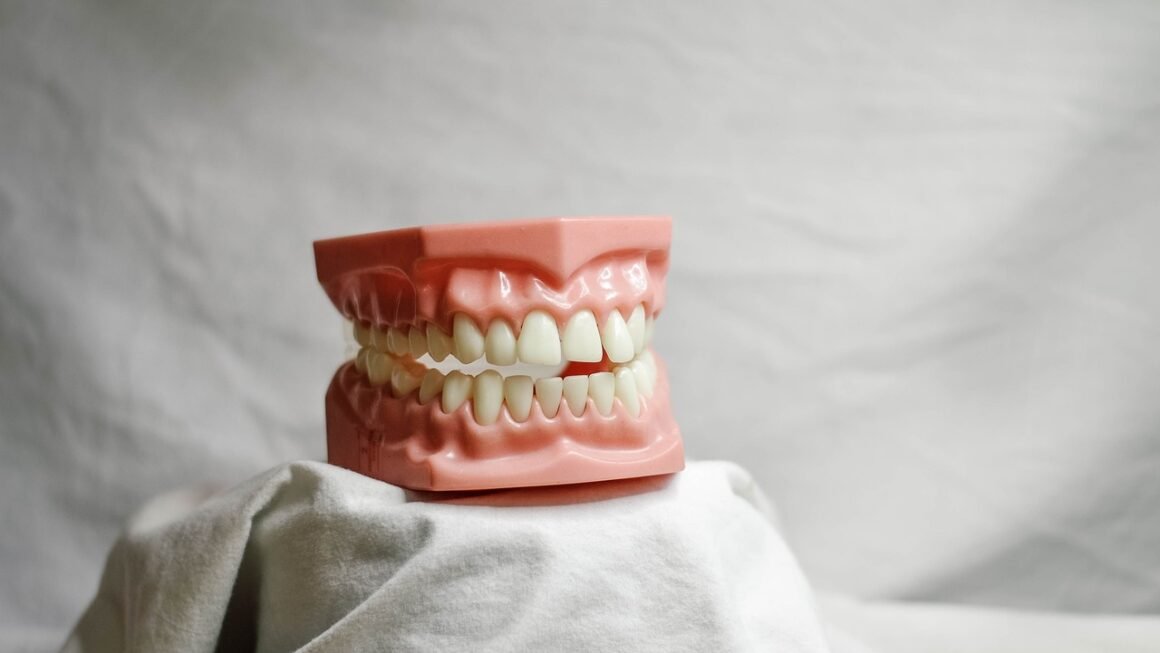
Maintaining a healthy and vibrant smile goes far beyond simply brushing your teeth. It’s a comprehensive approach involving the right oral care products, consistent routines, and an understanding of your specific needs. From toothpaste and toothbrushes to mouthwash and specialized tools, the world of oral hygiene offers a diverse range of options designed to keep your teeth and gums in optimal condition. This guide delves into the essentials of oral care products, helping you navigate the choices and create a personalized strategy for a brighter, healthier smile.
The Power of Toothpaste
Toothpaste is the cornerstone of any effective oral hygiene routine. But with so many options available, how do you choose the right one? Understanding the different types and their benefits is crucial.
Understanding Toothpaste Ingredients
The ingredients in your toothpaste play a vital role in its effectiveness. Look for these key components:
- Fluoride: The gold standard for cavity prevention. Fluoride strengthens tooth enamel, making it more resistant to acid attacks from bacteria.
Example: Most adult toothpastes contain around 1350-1500 ppm (parts per million) of fluoride.
- Abrasives: Help to remove surface stains and plaque. Common abrasives include hydrated silica and calcium carbonate.
Caution: Highly abrasive toothpastes can damage enamel over time, especially if you brush too hard.
- Humectants: Prevent the toothpaste from drying out. Examples include sorbitol and glycerol.
- Detergents: Create a foaming action to help remove debris. Sodium lauryl sulfate (SLS) is a common detergent, but some individuals may be sensitive to it.
- Flavoring Agents: Make the toothpaste palatable. Options range from mint to cinnamon to fruit flavors.
Types of Toothpaste and Their Benefits
- Fluoride Toothpaste: Essential for cavity prevention and enamel strengthening. Choose a toothpaste with the appropriate fluoride level for your age and needs.
Actionable Takeaway: Always opt for a fluoride toothpaste unless advised otherwise by your dentist.
- Whitening Toothpaste: Contains abrasives or chemicals that help to remove surface stains, revealing a brighter smile.
Example: Look for toothpastes containing hydrogen peroxide or carbamide peroxide for more significant whitening results. Be mindful of potential sensitivity.
- Sensitive Teeth Toothpaste: Formulated with ingredients like potassium nitrate or stannous fluoride to block pain signals and reduce sensitivity to hot, cold, or sweet stimuli.
Practical Tip: Use sensitive toothpaste consistently for at least two weeks to experience noticeable relief.
- Tartar Control Toothpaste: Contains ingredients like pyrophosphates or zinc citrate to help prevent the buildup of tartar (hardened plaque).
Benefit: Reduces the risk of gingivitis and other gum diseases associated with tartar.
Selecting the Right Toothbrush
Your toothbrush is your primary weapon against plaque and bacteria. Choosing the right one and using it correctly is key to maintaining optimal oral health.
Manual vs. Electric Toothbrushes
- Manual Toothbrushes: Affordable and readily available. Effective when used with proper technique.
- Electric Toothbrushes: Can provide more consistent and thorough cleaning, especially for individuals with limited dexterity. Many models offer features like built-in timers and pressure sensors.
Studies Show: Electric toothbrushes can remove significantly more plaque and reduce gingivitis compared to manual toothbrushes, according to the Journal of Clinical Periodontology.
Choosing the Right Bristle Type
- Soft Bristles: Recommended by most dentists. Gentle on teeth and gums, reducing the risk of enamel erosion and gum recession.
- Medium and Hard Bristles: Can be too abrasive and damaging, especially if you brush aggressively.
Recommendation: Always choose a toothbrush with soft bristles.
Toothbrush Replacement Frequency
- Replace your toothbrush every three months, or sooner if the bristles are frayed or worn.
Reason: Worn bristles are less effective at cleaning and can harbor bacteria.
- Replace your toothbrush after you’ve been sick to prevent re-infection.
Practical Tip: Set a reminder on your phone or calendar to replace your toothbrush regularly.
The Importance of Mouthwash
Mouthwash is a valuable addition to your oral hygiene routine, offering benefits beyond just fresh breath.
Types of Mouthwash and Their Benefits
- Fluoride Mouthwash: Helps to strengthen tooth enamel and prevent cavities, particularly beneficial for individuals at high risk of decay.
Usage: Rinse with fluoride mouthwash after brushing and flossing, allowing the fluoride to sit on your teeth for optimal absorption.
- Antiseptic Mouthwash: Contains ingredients like chlorhexidine or cetylpyridinium chloride (CPC) to kill bacteria and reduce plaque and gingivitis.
Caution: Long-term use of chlorhexidine mouthwash can stain teeth and alter taste perception.
- Cosmetic Mouthwash: Primarily freshens breath and may temporarily reduce surface stains. Does not provide significant therapeutic benefits.
Distinction: It’s essential to differentiate between cosmetic and therapeutic mouthwashes.
- Alcohol-Free Mouthwash: A good option for individuals with dry mouth or those sensitive to alcohol. Alcohol can dry out the mouth, exacerbating dryness and potentially increasing the risk of oral health problems.
Actionable Takeaway: Choose an alcohol-free mouthwash if you experience dry mouth.
How to Use Mouthwash Effectively
- Rinse with mouthwash for 30-60 seconds after brushing and flossing.
- Do not swallow mouthwash.
- Avoid eating or drinking for 30 minutes after using mouthwash to allow the active ingredients to work effectively.
Flossing: Reaching Where Brushing Can’t
Flossing is essential for removing plaque and debris from between teeth and along the gumline, areas that your toothbrush can’t reach.
Types of Floss
- Nylon (Multi-filament) Floss: Available waxed or unwaxed, and in various flavors. Can shred more easily than other types.
- PTFE (Monofilament) Floss: Slides easily between teeth and is less likely to shred.
- Floss Picks: Convenient for on-the-go flossing, but may not be as effective as traditional floss for reaching all areas.
Recommendation: While floss picks are better than nothing, prioritize traditional floss for optimal cleaning.
Proper Flossing Technique
- Use about 18 inches of floss, wrapping the ends around your middle fingers.
- Gently guide the floss between your teeth using a sawing motion.
- Curve the floss into a “C” shape around each tooth, sliding it gently under the gumline.
- Use a clean section of floss for each tooth.
Actionable Takeaway: Spend at least 2 minutes flossing each day, paying attention to each tooth.
Alternatives to Traditional Floss
- Interdental Brushes: Small brushes designed to clean between teeth, especially useful for individuals with wider spaces or braces.
- Water Flossers (Oral Irrigators): Use a stream of water to remove plaque and debris from between teeth and along the gumline. A good option for individuals who find traditional flossing difficult.
Study Suggests: Water flossers, when used correctly, can be as effective as traditional floss in reducing gingivitis.
Specialized Oral Care Products
Beyond the basics, certain oral care products can address specific needs and concerns.
Tongue Scrapers
- Remove bacteria, food debris, and dead cells from the surface of the tongue, reducing bad breath and improving taste.
Benefit: Contributes to overall oral hygiene and fresh breath.
Dental Picks
- Useful for removing food particles stuck between teeth, but should be used with caution to avoid damaging gums.
Important Note: Not a substitute for flossing.
Orthodontic Oral Care
- Individuals with braces or other orthodontic appliances require specialized tools for cleaning around brackets and wires.
- Recommended Products:
Orthodontic Toothbrushes: Designed with a V-shaped bristle pattern to clean around brackets.
Interdental Brushes: For cleaning between teeth and around brackets.
Floss Threaders: To guide floss under wires.
Denture Care Products
- Dentures require daily cleaning to remove plaque, food debris, and stains.
- Recommended Products:
Denture Brushes: Designed with stiff bristles to clean dentures effectively.
Denture Cleansing Tablets: Soak dentures in a denture cleansing solution daily to remove stains and bacteria.
- Avoid: Using regular toothpaste on dentures, as it can be too abrasive.
Conclusion
Maintaining optimal oral health requires a proactive approach that includes choosing the right oral care products and following a consistent routine. By understanding the benefits of different types of toothpaste, toothbrushes, mouthwash, floss, and specialized tools, you can create a personalized strategy to keep your teeth and gums healthy for years to come. Remember to consult with your dentist or dental hygienist for personalized recommendations and guidance. Your smile will thank you!