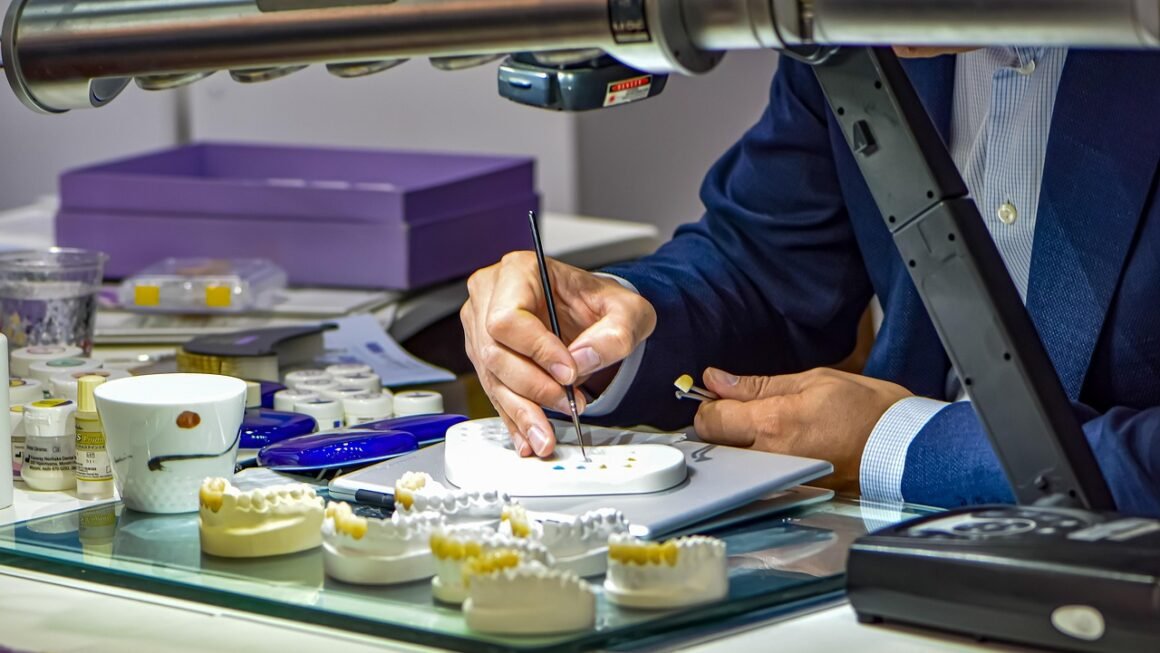
Teeth whitening is a popular cosmetic dental procedure sought by individuals aiming to enhance their smiles and boost their confidence. Discoloration of teeth can occur due to various factors such as aging, diet, and lifestyle habits. Fortunately, numerous teeth bleaching options are available, ranging from professional treatments to at-home kits, each offering varying degrees of effectiveness and convenience. This comprehensive guide will delve into the world of teeth bleaching, exploring the different methods, benefits, potential risks, and providing tips for achieving a brighter, healthier smile.
Understanding Teeth Whitening
What Causes Tooth Discoloration?
Tooth discoloration is a common concern, and understanding its causes is crucial for choosing the right whitening approach. Several factors contribute to the staining of teeth:
- Extrinsic Stains: These stains affect the outer layer of the teeth (enamel) and are often caused by:
Consuming dark-colored beverages like coffee, tea, and red wine.
Smoking cigarettes or using tobacco products.
Eating certain foods such as berries, soy sauce, and heavily pigmented sauces.
- Intrinsic Stains: These stains originate from within the tooth structure and are harder to remove. Common causes include:
Aging, as the enamel naturally thins and the underlying dentin becomes more visible.
Certain medications like tetracycline antibiotics, especially when taken during tooth development.
Dental trauma or injury, which can cause internal bleeding and discoloration.
Excessive fluoride intake during tooth development (fluorosis).
Types of Teeth Stains: A Practical Example
Consider a person who drinks coffee daily and enjoys a glass of red wine with dinner. Over time, they may develop noticeable extrinsic stains on their teeth. Conversely, someone who took tetracycline as a child might have intrinsic staining that is more challenging to address with surface-level whitening treatments. Understanding the type of stain helps determine the most effective bleaching method.
Professional Teeth Bleaching Options
In-Office Teeth Whitening
In-office teeth whitening, performed by a dental professional, offers the most dramatic and immediate results.
- Procedure: A high-concentration bleaching gel (typically containing hydrogen peroxide) is applied to the teeth, often activated by a special light or laser. This process usually takes between 30 minutes to an hour per session.
- Benefits:
Faster and more noticeable results compared to at-home methods.
Supervised application ensures safety and minimizes the risk of gum irritation.
Dentist can customize the treatment based on individual needs and sensitivity levels.
- Example: A patient might opt for in-office whitening a week before a major event, like a wedding, to achieve a dazzling smile quickly. The dentist can assess their teeth, protect the gums, and apply the whitening agent for optimal results.
Custom Tray Whitening Systems
Custom tray whitening systems involve wearing trays filled with a bleaching gel prescribed by your dentist.
- Procedure: The dentist takes impressions of your teeth to create custom-fitted trays. You will then receive a whitening gel to apply to the trays and wear for a specified amount of time each day (typically 30 minutes to a few hours) over a period of one to two weeks.
- Benefits:
More effective than over-the-counter options due to higher concentration of bleaching agent.
Custom-fit trays ensure better contact between the gel and the teeth, leading to more even whitening.
Allows for maintenance and touch-up treatments as needed.
- Practical Tip: Following your dentist’s instructions precisely is crucial to avoid gum irritation and achieve the best results. Avoid overfilling the trays and ensure a snug fit.
At-Home Teeth Whitening Products
Over-the-Counter Whitening Strips
Whitening strips are a popular and convenient at-home option.
- Features: Thin, flexible strips coated with a bleaching gel (usually hydrogen peroxide or carbamide peroxide) that adhere to the teeth.
- Benefits:
Easy to use and readily available at most drugstores.
Relatively affordable compared to professional treatments.
Can provide noticeable results over time with consistent use.
- Considerations: Lower concentration of bleaching agent compared to professional options, may not fit teeth perfectly, and can cause uneven whitening if not applied properly.
Whitening Toothpastes and Mouthwashes
Whitening toothpastes and mouthwashes are designed to remove surface stains and maintain a brighter smile.
- How They Work: These products typically contain mild abrasives and chemicals that help polish the teeth and remove surface stains.
- Benefits:
Easy to incorporate into your daily oral hygiene routine.
Can help prevent new stains from forming.
Generally safe for daily use.
- Limitations: Less effective for removing deeper stains and achieving significant whitening compared to other methods.
Practical Example: Building a Teeth Whitening Routine
A patient who regularly uses whitening toothpaste and mouthwash can supplement their routine with over-the-counter whitening strips every few months to maintain a brighter smile. For more stubborn stains or significant whitening, they could consider consulting with a dentist for professional treatment.
Potential Risks and Side Effects
Tooth Sensitivity
Tooth sensitivity is a common side effect of teeth whitening, especially with higher concentrations of bleaching agents.
- Causes: The bleaching agent can temporarily open up the pores in the enamel, exposing the underlying dentin and nerve endings.
- Management:
Use desensitizing toothpaste containing potassium nitrate or stannous fluoride.
Reduce the frequency or duration of whitening treatments.
Consult your dentist for recommendations on products to reduce sensitivity.
Gum Irritation
Gum irritation can occur if the bleaching agent comes into contact with the gums.
- Prevention:
Use custom-fit trays for at-home treatments to minimize contact with the gums.
Avoid overfilling the trays with whitening gel.
If irritation occurs, discontinue use and consult your dentist.
Enamel Damage
Although rare, excessive or improper use of teeth whitening products can potentially damage the enamel.
- Minimizing Risk:
Follow the instructions carefully.
Avoid using abrasive whitening products.
Consult with your dentist to ensure safe and effective whitening practices.
Maintaining Your Brighter Smile
Oral Hygiene Practices
Maintaining good oral hygiene is crucial for preserving your newly whitened smile.
- Regular Brushing and Flossing: Brush your teeth at least twice a day with fluoride toothpaste and floss daily to remove plaque and prevent stain buildup.
- Professional Cleanings: Schedule regular dental checkups and cleanings to remove stubborn stains and maintain optimal oral health.
Dietary Considerations
What you eat and drink can significantly impact the longevity of your teeth whitening results.
- Limit Stain-Causing Foods and Beverages: Reduce your consumption of coffee, tea, red wine, dark-colored sodas, and heavily pigmented foods.
- Rinse After Eating or Drinking: Rinse your mouth with water after consuming stain-causing substances to minimize their impact on your teeth.
- Use a Straw: When drinking dark-colored beverages, use a straw to minimize contact with your front teeth.
Touch-Up Treatments
Teeth whitening is not permanent, and touch-up treatments may be necessary to maintain your desired level of brightness.
- Frequency: Touch-up treatments can be performed every few months to every year, depending on your individual needs and lifestyle habits.
- Options: Use at-home whitening products or schedule a professional whitening session with your dentist.
Conclusion
Teeth whitening offers a fantastic way to enhance your smile and boost your self-confidence. Whether you opt for professional in-office treatments, custom tray systems, or at-home products, understanding the process, benefits, potential risks, and maintenance strategies is essential for achieving optimal results and ensuring your oral health. By following the guidelines outlined in this comprehensive guide, you can embark on a journey toward a brighter, healthier, and more radiant smile that you’ll be proud to show off. Remember to consult with your dentist to determine the best approach for your specific needs and to address any concerns you may have.