Maintaining optimal oral health is a crucial aspect of overall well-being. Regular dental checkups are the cornerstone of preventative dentistry, helping to detect and address potential issues before they escalate into more serious and costly problems. But how often should you really be scheduling those visits? Let’s dive into establishing the ideal dental checkup schedule for you and your family.
Why Regular Dental Checkups are Essential
Detecting Problems Early
One of the primary reasons for regular dental checkups is the early detection of oral health issues. Many dental problems, such as cavities and gum disease, don’t cause noticeable symptoms in their early stages. A dentist can identify these issues during a routine examination using visual inspections, X-rays, and other diagnostic tools.
Example: A small cavity, if detected early, can be treated with a simple filling. However, if left untreated, it can progress to require a root canal or even tooth extraction.
- Early detection saves you time and money.
- Preventative care is less invasive than treating advanced problems.
- Early detection helps maintain your natural teeth longer.
Preventing Oral Diseases
Regular checkups aren’t just about fixing problems; they’re about preventing them from happening in the first place. Dentists and hygienists provide preventive treatments and advice to keep your teeth and gums healthy.
Example: Professional cleaning removes plaque and tartar buildup that brushing and flossing alone can’t eliminate. This reduces the risk of cavities and gum disease.
- Professional cleaning helps prevent plaque and tartar buildup.
- Fluoride treatments strengthen enamel and protect against decay.
- Oral hygiene instructions help improve your at-home dental care routine.
Identifying Underlying Health Conditions
Believe it or not, your dentist can sometimes identify signs of underlying health conditions during a dental checkup. Oral health is often linked to overall health, and certain symptoms in the mouth can be indicative of systemic diseases.
Example: Dry mouth, often a side effect of certain medications or medical conditions, can increase the risk of cavities. A dentist can recommend strategies to manage dry mouth and protect your teeth.
- Dentists can detect signs of diabetes, oral cancer, and other systemic diseases.
- Early identification can lead to earlier diagnosis and treatment of these conditions.
- Collaborative care between your dentist and physician can improve overall health outcomes.
The Standard Dental Checkup Schedule: Every Six Months
The General Recommendation
The most common recommendation for dental checkups is every six months. This timeframe allows dentists to monitor your oral health regularly, catch potential problems early, and provide preventative care.
Data Point: Studies show that individuals who attend regular dental checkups have fewer cavities and less gum disease compared to those who don’t.
- Allows for regular monitoring of oral health.
- Provides opportunities for preventative treatments and advice.
- Helps maintain optimal oral hygiene.
Why Six Months?
Plaque and tartar buildup, which contribute to cavities and gum disease, accumulate over time. A six-month interval provides a reasonable timeframe for removing this buildup and preventing it from causing significant damage.
Practical Tip: Schedule your next appointment before you leave the office to ensure you stay on track with your dental checkup schedule.
- Plaque and tartar can cause significant damage within a few months.
- Regular checkups help maintain a healthy oral environment.
- It provides an opportunity to address any emerging issues promptly.
Factors Influencing Your Checkup Schedule
High-Risk Individuals
Certain individuals may require more frequent dental checkups than the standard six-month interval. These high-risk individuals include:
- Individuals with a history of cavities or gum disease.
- Smokers and tobacco users.
- People with diabetes or other medical conditions that affect oral health.
- Individuals with weakened immune systems.
- Pregnant women (due to hormonal changes affecting gums).
Example: A patient with active gum disease may need checkups and cleanings every three to four months to manage the condition effectively.
Children and Adolescents
Children and adolescents are often more susceptible to cavities due to dietary habits and developing oral hygiene routines. Regular dental checkups are crucial for monitoring their oral health and providing preventative care.
Recommendation: Most children and adolescents should follow the standard six-month checkup schedule. However, children with a history of cavities or those undergoing orthodontic treatment may need more frequent visits.
- Monitoring tooth development is crucial in children.
- Early intervention can prevent future dental problems.
- Establishing good oral hygiene habits early is essential.
Low-Risk Individuals
Some individuals with excellent oral hygiene and no history of dental problems may be able to extend the interval between checkups. However, this should only be done under the guidance of a dentist.
Important Note: Even if you have good oral hygiene, regular checkups are still important for identifying potential issues that you may not be able to detect on your own.
- Always consult with your dentist before extending the interval.
- Regular monitoring is still necessary for maintaining optimal oral health.
- Changes in oral health can occur even with good hygiene.
What to Expect During a Dental Checkup
Examination and Diagnosis
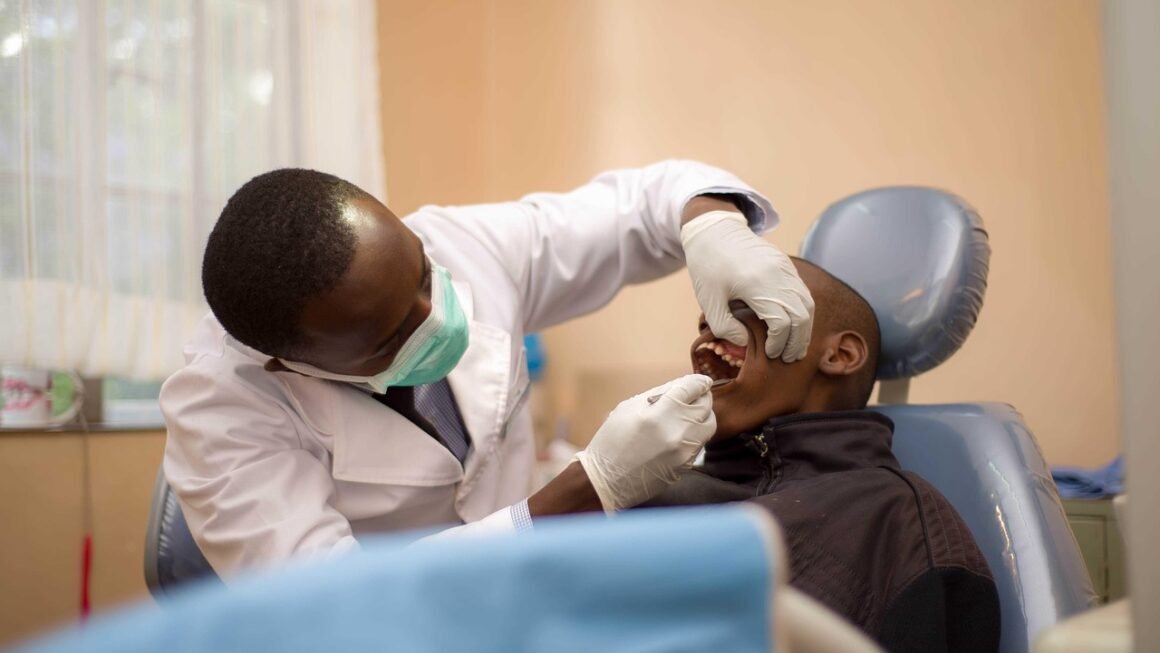
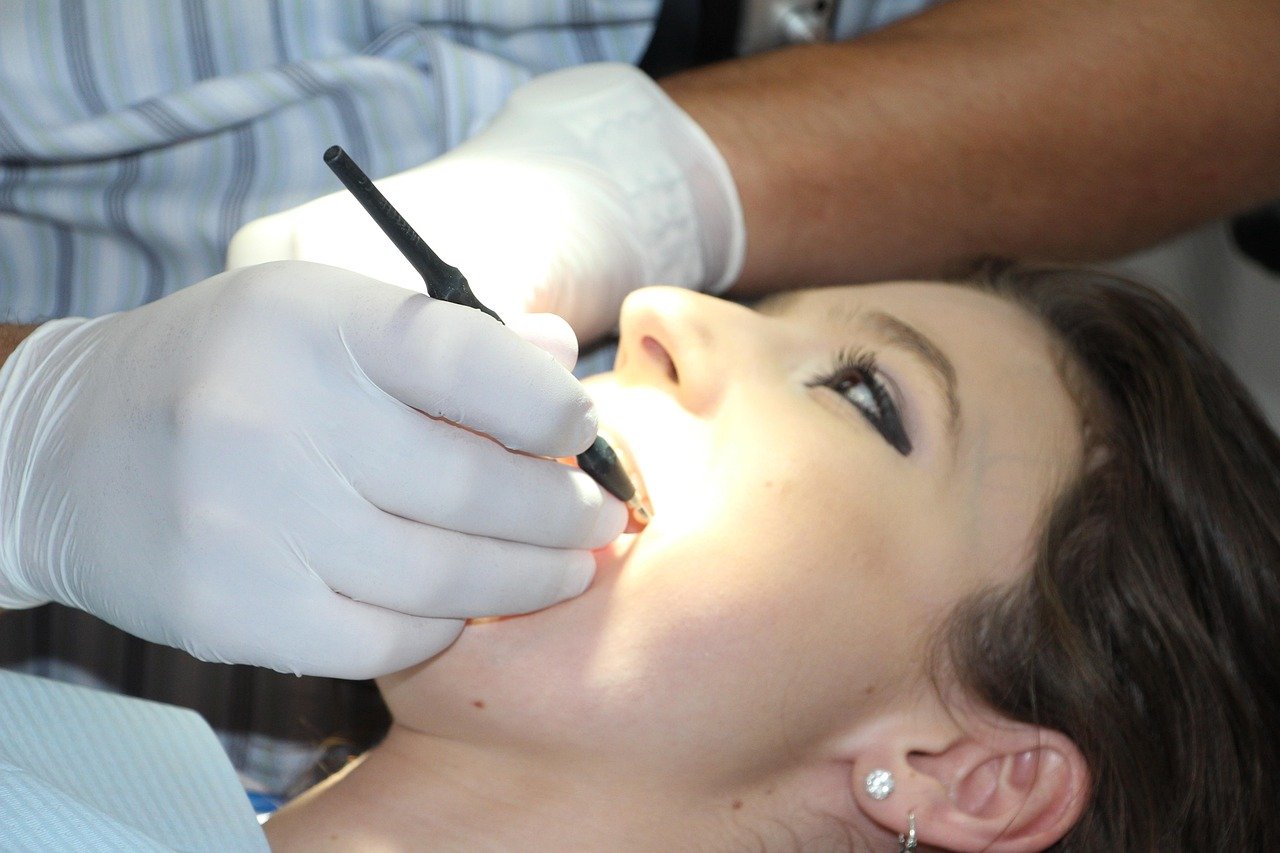
During a dental checkup, the dentist will perform a thorough examination of your teeth, gums, and mouth. This includes:
- Visual inspection for cavities, gum disease, and other abnormalities.
- Checking the alignment of your teeth and bite.
- Evaluating the health of your gums.
- Taking X-rays to detect hidden problems, such as cavities between teeth or bone loss.
Cleaning and Preventative Treatments
A dental hygienist will perform a professional cleaning to remove plaque and tartar buildup. This includes:
- Scaling to remove tartar from the teeth surface.
- Polishing to remove stains and smooth the teeth.
- Fluoride treatment to strengthen enamel and prevent decay.
Education and Recommendations
Your dentist and hygienist will provide personalized oral hygiene instructions and recommendations based on your individual needs. This may include:
- Demonstrating proper brushing and flossing techniques.
- Recommending specific oral hygiene products, such as toothbrushes, toothpaste, and mouthwash.
- Providing dietary advice to promote oral health.
- Discussing any concerns or questions you may have about your oral health.
Actionable Takeaway: Write down any questions you have before your appointment to ensure you address all your concerns.
Overcoming Barriers to Regular Dental Checkups
Financial Concerns
Cost is a common barrier to regular dental checkups. However, preventative care is often more affordable than treating advanced dental problems.
- Explore dental insurance options.
- Inquire about payment plans or financing options at your dental office.
- Consider community dental clinics or dental schools for lower-cost care.
Time Constraints
Many people struggle to find time for dental appointments. Planning ahead and scheduling appointments in advance can help overcome this barrier.
- Schedule appointments during non-peak hours or on weekends.
- Combine dental appointments with other errands to save time.
- Consider using a dentist with convenient hours or multiple locations.
Dental Anxiety
Dental anxiety is a common problem that can prevent people from seeking regular dental care.
- Communicate your anxiety to your dentist.
- Explore relaxation techniques, such as deep breathing or meditation.
- Consider sedation options to help you relax during your appointment.
Conclusion
Establishing a regular dental checkup schedule is crucial for maintaining optimal oral health and preventing serious dental problems. The standard recommendation is every six months, but your individual needs may vary depending on your risk factors and oral health status. By understanding the importance of regular checkups, overcoming barriers to care, and working closely with your dentist, you can ensure a healthy and beautiful smile for years to come. Remember, proactive dental care is an investment in your overall well-being.