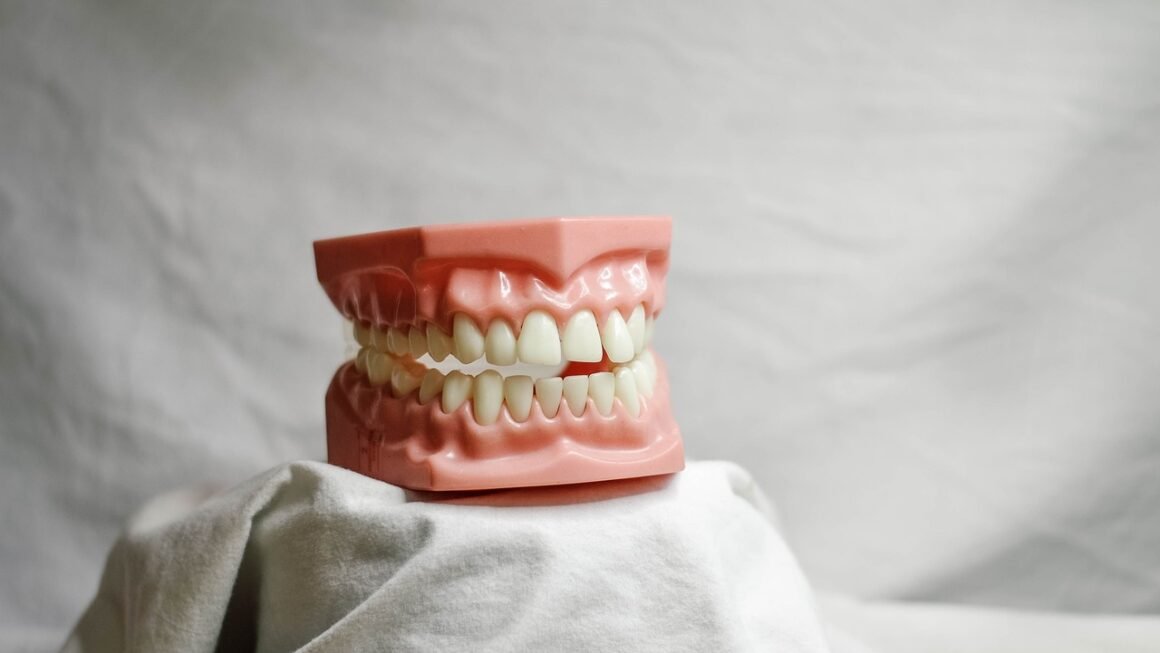
Maintaining impeccable dental hygiene is more than just flashing a bright smile; it’s a cornerstone of overall health and well-being. Neglecting your teeth and gums can lead to a cascade of problems, from bad breath and cavities to more serious issues like gum disease and even systemic health complications. This comprehensive guide will delve into the essential dental hygiene practices you need to adopt for a healthy mouth and a confident smile.
The Importance of Brushing: Your First Line of Defense
Brushing is the foundation of good dental hygiene. It’s the most effective way to remove plaque and food particles that contribute to tooth decay and gum disease.
Choosing the Right Brush and Technique
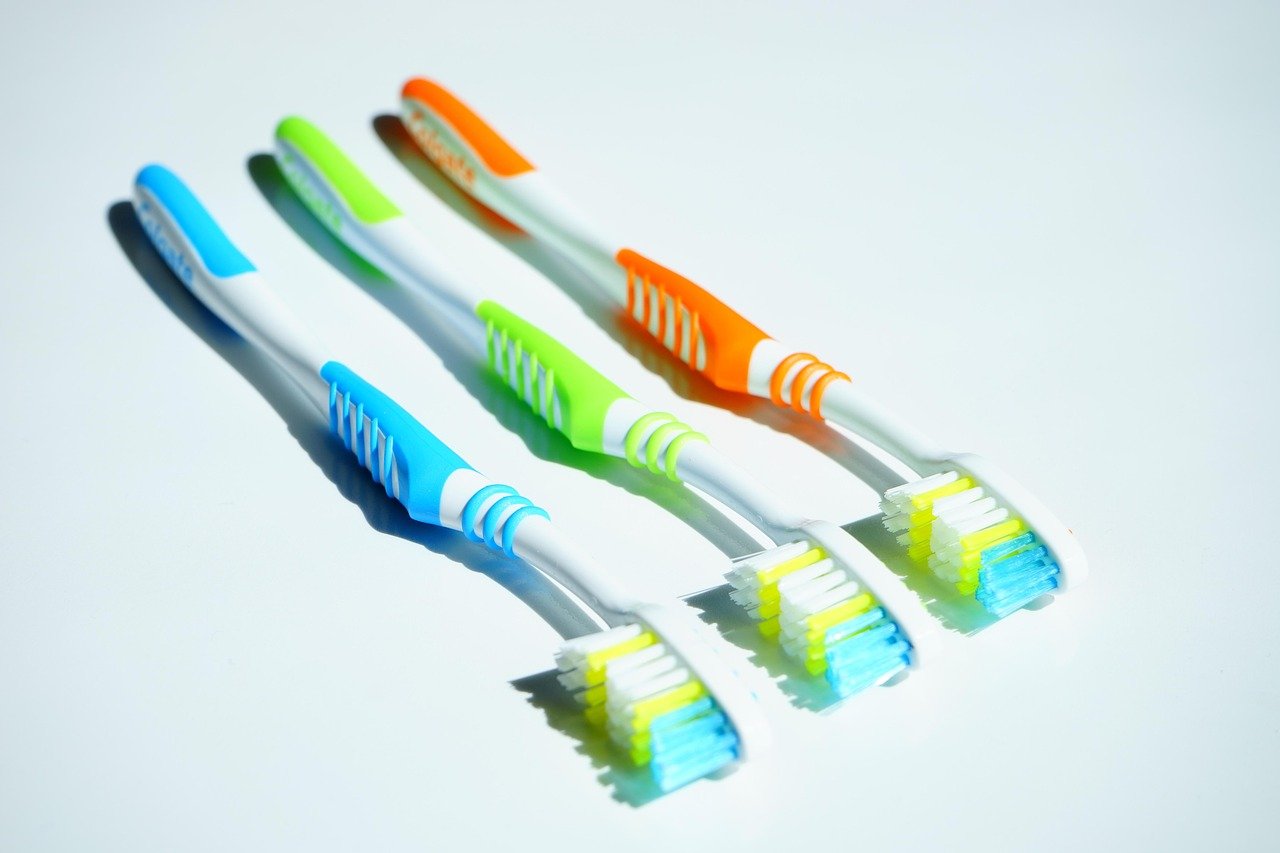
- Toothbrush Selection: Opt for a soft-bristled toothbrush. Hard bristles can damage your enamel and irritate your gums. Consider an electric toothbrush; many studies show they can be more effective at removing plaque than manual toothbrushes. The American Dental Association (ADA) seal of acceptance is a good indicator of quality and safety.
- Brushing Technique: Use gentle, circular motions to clean all surfaces of each tooth. Angle the brush towards the gumline. Avoid scrubbing, which can wear down enamel. A good way to remember the correct technique is the Bass method which focuses on brushing right where the tooth meets the gum line.
- Brushing Frequency and Duration: Brush at least twice a day – once in the morning and once before bed. Each brushing session should last for at least two minutes. Many electric toothbrushes have built-in timers to help you achieve this. A quick brushing won’t cut it – plaque and bacteria need sufficient time to be effectively removed.
Practical Tips for Effective Brushing
- Don’t forget your tongue: Gently brush your tongue to remove bacteria that cause bad breath. You can also use a tongue scraper.
- Replace your toothbrush regularly: Replace your toothbrush every three months, or sooner if the bristles are frayed. Worn bristles are less effective at cleaning.
- Rinse thoroughly: After brushing, rinse your mouth thoroughly with water to remove any remaining toothpaste and debris.
The Power of Flossing: Reaching Where Brushing Can’t
Flossing complements brushing by removing plaque and food particles from between your teeth and under the gumline, areas that a toothbrush simply can’t reach.
Understanding Flossing Techniques
- Types of Floss: Choose the type of floss that works best for you – waxed, unwaxed, flavored, or floss picks. Experiment to find one you’re comfortable using. Individuals with tight teeth might benefit from waxed floss as it slides more easily.
- Flossing Technique: Use about 18 inches of floss, wrapping it around your middle fingers and using your thumbs and forefingers to guide it. Gently slide the floss between your teeth, using a sawing motion. When the floss reaches the gumline, curve it into a “C” shape against one tooth and gently slide it up and down. Repeat on the other side of the tooth.
- Flossing Frequency: Floss at least once a day, preferably before bedtime. This allows you to remove plaque and food debris that have accumulated throughout the day.
Benefits of Regular Flossing
- Prevents gum disease: By removing plaque from below the gumline, flossing helps prevent gingivitis (inflammation of the gums) and periodontitis (advanced gum disease). Gum disease affects almost half of adults over 30 in the US according to the CDC.
- Reduces bad breath: Flossing removes food particles that can cause bad breath.
- Helps prevent cavities: Flossing removes plaque from areas where cavities are likely to form.
The Role of Mouthwash: An Added Layer of Protection
Mouthwash can provide an extra layer of protection against plaque, bacteria, and bad breath.
Types of Mouthwash and Their Benefits
- Fluoride Mouthwash: Helps strengthen tooth enamel and prevent cavities.
- Antiseptic Mouthwash: Kills bacteria that cause plaque and gingivitis. Look for active ingredients like chlorhexidine or cetylpyridinium chloride. Note that chlorhexidine can stain teeth with long-term use.
- Cosmetic Mouthwash: Freshens breath but doesn’t necessarily have antibacterial properties.
How to Use Mouthwash Effectively
- Timing: Use mouthwash after brushing and flossing.
- Dosage: Follow the instructions on the mouthwash bottle. Typically, you’ll swish with about 20 ml of mouthwash for 30 seconds.
- Don’t rinse with water immediately: Avoid rinsing your mouth with water for at least 30 minutes after using mouthwash to allow it to work effectively.
Considerations When Choosing a Mouthwash
- Alcohol Content: Some mouthwashes contain alcohol, which can dry out the mouth. Consider an alcohol-free option, especially if you have dry mouth.
- Specific Needs: Choose a mouthwash that addresses your specific needs, such as cavity prevention, gum disease treatment, or bad breath control. Consult with your dentist if you are unsure.
Diet and Dental Health: What You Eat Matters
Your diet plays a significant role in your dental health. Sugary and acidic foods can contribute to tooth decay, while nutrient-rich foods can help strengthen your teeth and gums.
Foods to Limit or Avoid
- Sugary Drinks: Sodas, juices, and sports drinks are high in sugar, which feeds bacteria in your mouth and leads to acid production that erodes tooth enamel.
- Sticky Candies: Candies that stick to your teeth provide a prolonged source of sugar for bacteria.
- Acidic Foods and Drinks: Citrus fruits, vinegar, and pickled foods can erode tooth enamel.
Foods That Promote Dental Health
- Water: Drinking plenty of water helps wash away food particles and bacteria. It also stimulates saliva production, which helps neutralize acids.
- Crunchy Fruits and Vegetables: Apples, carrots, and celery help scrub your teeth and stimulate saliva production.
- Dairy Products: Milk, cheese, and yogurt are rich in calcium and phosphorus, which help strengthen tooth enamel.
- Leafy Greens: Spinach, kale, and other leafy greens are rich in vitamins and minerals that promote healthy gums.
Practical Dietary Tips for Dental Health
- Limit snacking between meals: Frequent snacking exposes your teeth to acids throughout the day.
- Chew sugar-free gum after meals: Chewing gum stimulates saliva production, which helps neutralize acids and wash away food particles. Look for gum containing Xylitol, which can help prevent tooth decay.
- Rinse your mouth with water after eating sugary or acidic foods: This helps remove some of the harmful substances.
Regular Dental Check-ups: Prevention is Key
Regular dental check-ups are essential for maintaining good dental health. Your dentist can detect and treat problems early on, before they become more serious and costly.
What to Expect During a Dental Check-up
- Examination: Your dentist will examine your teeth, gums, and mouth for signs of decay, gum disease, and other problems.
- Cleaning: A dental hygienist will clean your teeth to remove plaque and tartar (hardened plaque).
- X-rays: X-rays may be taken to detect cavities, bone loss, and other problems that are not visible during a visual examination.
- Discussion: Your dentist will discuss your oral health with you and recommend any necessary treatments.
Frequency of Dental Check-ups
- General Recommendation: Most adults should visit the dentist every six months for a check-up and cleaning.
- Individual Needs: Your dentist may recommend more frequent check-ups if you have a higher risk of dental problems, such as gum disease or a history of cavities.
Benefits of Regular Dental Visits
- Early detection of dental problems: This allows for prompt treatment and prevents problems from becoming more serious.
- Professional cleaning: Removes plaque and tartar that you can’t remove at home.
- Personalized advice: Your dentist can provide tailored advice on how to improve your dental hygiene habits.
Specific Considerations: Adapting Your Routine
While the above are core principles, certain life stages and conditions require adjustments to your dental hygiene routine.
Pregnancy
- Increased Risk of Gingivitis: Hormonal changes during pregnancy can increase the risk of gingivitis (pregnancy gingivitis).
- More Frequent Cleanings: More frequent dental cleanings may be recommended.
- Morning Sickness: Rinse with water or a fluoride mouthwash after experiencing morning sickness to neutralize stomach acids.
Braces
- Specialized Brushing Techniques: Requires specific brushing techniques to clean around brackets and wires.
- Interdental Brushes: Use interdental brushes to clean between teeth and around brackets.
- Fluoride Rinse: Fluoride rinse can help protect teeth from decay.
Dentures
- Clean Daily: Dentures should be cleaned daily with a denture brush and denture cleaner.
- Remove at Night: Remove dentures at night to allow gums to rest.
- Soak in Denture Solution: Soak dentures in denture solution to keep them moist and prevent them from warping.
Conclusion
Adopting and maintaining good dental hygiene practices is an investment in your overall health and well-being. By brushing and flossing regularly, using mouthwash, following a healthy diet, and visiting your dentist for regular check-ups, you can protect your teeth and gums from disease and enjoy a healthy, confident smile for years to come. Don’t underestimate the power of a proactive approach to dental care; the benefits extend far beyond just a pretty smile. They contribute to your overall health, confidence, and quality of life.