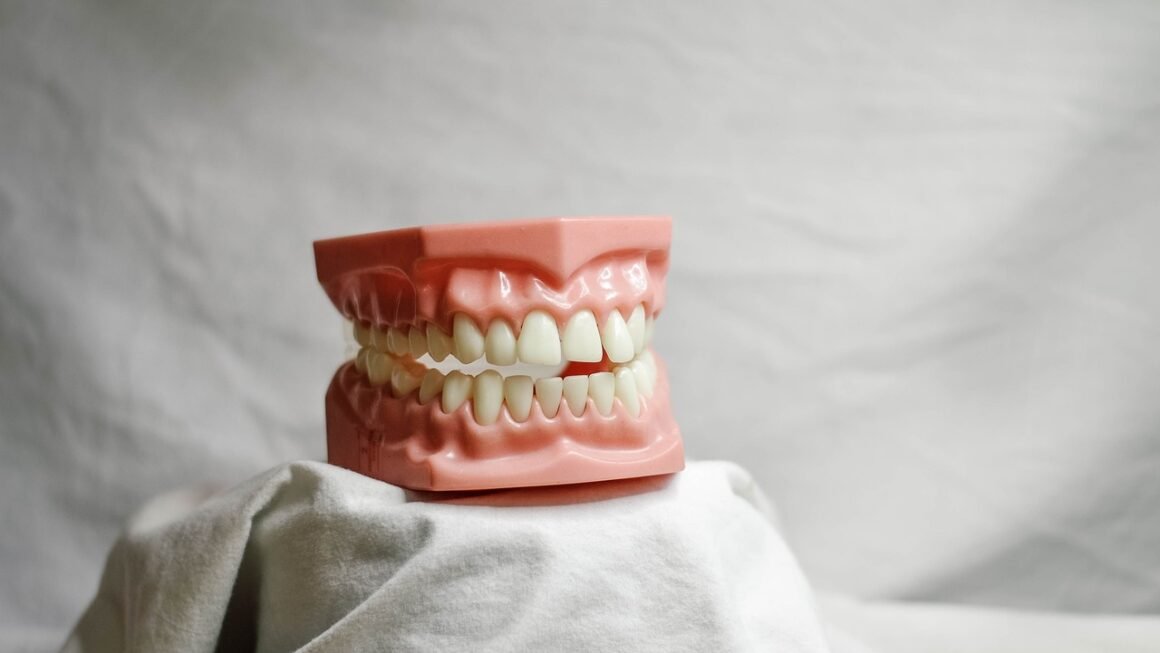
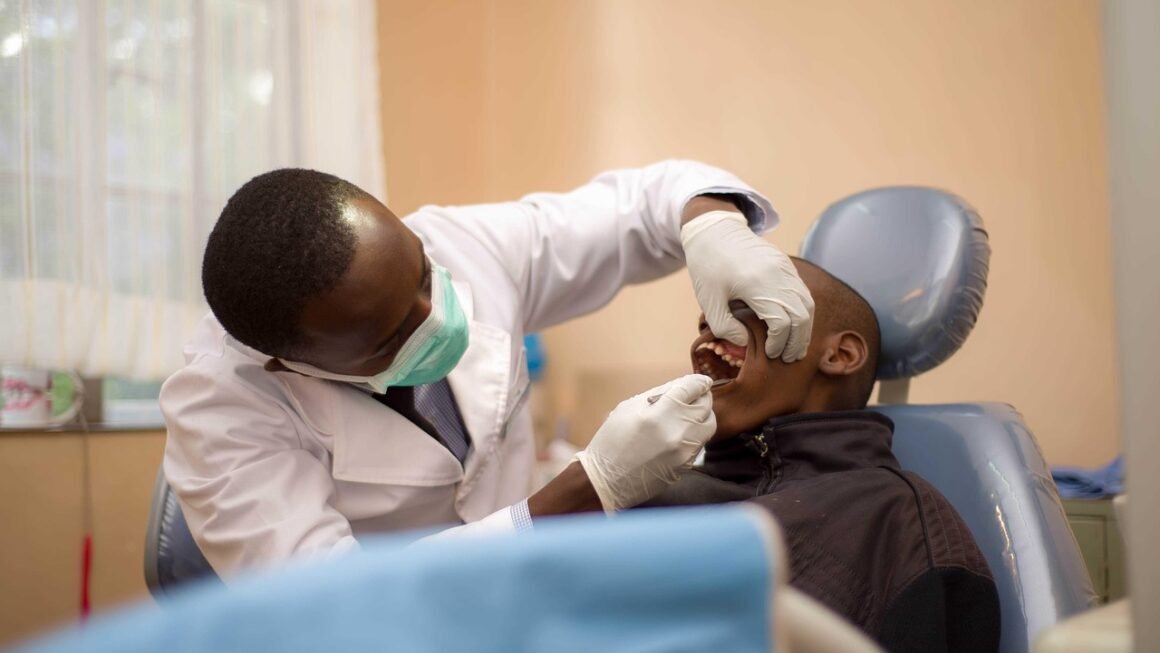
Dental visits: they’re not just about sparkling smiles, but a cornerstone of overall health. Regular check-ups and cleanings are essential for maintaining a healthy mouth, preventing serious oral health issues, and even detecting signs of systemic diseases. Many people dread visiting the dentist, but understanding the importance and benefits of these appointments can transform apprehension into appreciation. This guide delves into everything you need to know about dental visits, from what to expect to how to prepare, ensuring your next trip is a positive and productive one.
Why Regular Dental Visits are Crucial
Preventing Tooth Decay and Gum Disease
- Tooth Decay: This is one of the most common dental problems. Regular check-ups allow dentists to identify and treat decay early, often before it causes significant pain or damage. Early intervention can involve fillings, fluoride treatments, or lifestyle adjustments.
Example: A dentist can detect a small area of enamel erosion that you wouldn’t notice yourself, preventing it from becoming a cavity.
- Gum Disease (Periodontitis): This is an infection of the gums that can damage the soft tissue and bone that support your teeth. In its early stages (gingivitis), it’s often reversible with professional cleaning and improved oral hygiene. If left untreated, it can lead to tooth loss.
Example: A dentist can measure the depth of the pockets between your teeth and gums to detect signs of gum disease, which you can’t do at home.
- Plaque and Tartar Removal: Even with meticulous brushing and flossing, some plaque and tartar can build up in hard-to-reach areas. Professional cleanings remove this buildup, preventing it from causing tooth decay and gum disease.
Example: Professional cleaning tools can remove hardened tartar from below the gum line, which a toothbrush cannot reach.
Detecting Oral Cancer and Other Health Issues
- Oral Cancer Screening: Dentists are trained to identify early signs of oral cancer, which can significantly improve treatment outcomes. They will examine your mouth, tongue, and throat for any abnormalities.
Example: A dentist might notice a suspicious lesion or ulcer that needs further investigation. Early detection of oral cancer dramatically improves the chances of successful treatment.
- Identifying Other Health Problems: Oral health is closely linked to overall health. Dental exams can sometimes reveal signs of other health issues, such as diabetes, heart disease, or autoimmune disorders.
Example: Bleeding gums can be a sign of diabetes or a bleeding disorder. Certain oral infections can also exacerbate heart conditions.
Maintaining a Bright and Healthy Smile
- Stain Removal: Professional cleanings can remove surface stains caused by coffee, tea, tobacco, and other substances, leaving your teeth brighter.
Example: Polishing with a special paste after cleaning can remove superficial stains and make your teeth feel smoother.
- Oral Hygiene Education: Dentists and hygienists can provide personalized advice on brushing, flossing, and other oral hygiene practices to help you maintain a healthy smile.
Example: Your hygienist can demonstrate proper flossing techniques and recommend specific oral hygiene products based on your individual needs.
What to Expect During a Dental Visit
Initial Consultation and Examination
- Medical History Review: Your dentist will review your medical history to understand any underlying health conditions or medications that may affect your oral health.
Example: Inform your dentist about any allergies, chronic illnesses (like diabetes or heart disease), and medications you are taking, including over-the-counter drugs and supplements.
- Comprehensive Oral Exam: The dentist will examine your teeth, gums, tongue, and other oral tissues for signs of decay, gum disease, oral cancer, and other abnormalities.
Example: The dentist will use a small mirror and probe to check for cavities and gum recession, and may also visually inspect your soft tissues for any unusual spots or lumps.
- Diagnostic X-Rays: X-rays can reveal hidden problems, such as cavities between teeth, bone loss, and impacted teeth.
Example: Bitewing x-rays are commonly used to detect cavities between teeth, while panoramic x-rays provide a comprehensive view of the entire mouth and jaw.
Professional Cleaning
- Scaling: This involves removing plaque and tartar from the surfaces of your teeth, especially along the gum line.
Example: An ultrasonic scaler uses vibrations and water to break up and remove hard deposits of tartar.
- Root Planing: If you have gum disease, root planing may be necessary to smooth the surfaces of your tooth roots, making it more difficult for bacteria to attach.
Example: Root planing involves using specialized instruments to remove rough spots and bacteria from the root surfaces of your teeth.
- Polishing: After scaling and root planing, your teeth will be polished to remove stains and leave them feeling smooth and clean.
Example: A polishing paste with fluoride is used to smooth the tooth surface and help prevent future plaque buildup.
Treatment Planning
- Diagnosis and Treatment Options: Based on the examination and x-rays, your dentist will diagnose any oral health problems and discuss treatment options.
Example: If you have a cavity, the dentist will explain the different types of fillings available (e.g., composite, amalgam) and their pros and cons.
- Personalized Treatment Plan: Your dentist will develop a personalized treatment plan that addresses your specific needs and goals.
Example: Your treatment plan might include fillings, periodontal therapy, a root canal, or orthodontic treatment.
Preparing for Your Dental Visit
Before the Appointment
- Review Your Medical History: Make a list of any medications you are taking, allergies you have, and any health conditions you have been diagnosed with.
Example: Note the dosage and frequency of all medications, including vitamins and herbal supplements.
- Prepare Questions: Write down any questions you have for your dentist or hygienist about your oral health.
Example: Questions might include: “What type of toothbrush do you recommend?”, “How can I improve my flossing technique?”, or “What are the signs of gum disease?”
- Brush and Floss: While your teeth will be cleaned at the appointment, brushing and flossing beforehand helps remove loose debris and allows the dentist to better assess your oral health.
During the Appointment
- Be Honest and Open: Communicate openly with your dentist and hygienist about any concerns or discomfort you are experiencing.
Example: If you have anxiety about dental procedures, let your dentist know so they can take steps to make you more comfortable.
- Ask Questions: Don’t hesitate to ask questions about your oral health, treatment options, and any other concerns you have.
- Follow Instructions: Follow the instructions provided by your dentist and hygienist regarding post-treatment care and oral hygiene practices.
Choosing the Right Dentist
Credentials and Experience
- Check Credentials: Verify that the dentist is licensed and board-certified.
Example: You can check the dentist’s credentials on the website of your state’s dental board.
- Consider Experience: Look for a dentist with experience in the types of treatments you need.
Example: If you are interested in cosmetic dentistry, look for a dentist with extensive experience in veneers, teeth whitening, and other cosmetic procedures.
Office Environment and Staff
- Visit the Office: Before committing to a dentist, visit the office to assess the environment and meet the staff.
Example: Observe the cleanliness of the office and the friendliness and professionalism of the staff.
- Ask About Technology: Inquire about the technology used in the office, such as digital x-rays and intraoral cameras.
Example: Modern technology can improve the accuracy of diagnoses and the efficiency of treatments.
Insurance and Payment Options
- Check Insurance Coverage: Verify that the dentist accepts your dental insurance plan.
- Inquire About Payment Options: Ask about payment options, such as payment plans or financing.
Conclusion
Regular dental visits are an investment in your oral and overall health. By understanding the importance of these check-ups, preparing effectively, and choosing the right dentist, you can ensure a positive and productive experience. Don’t wait until you have a problem; proactive dental care is the key to maintaining a healthy, bright smile for years to come. Schedule your dental appointment today!