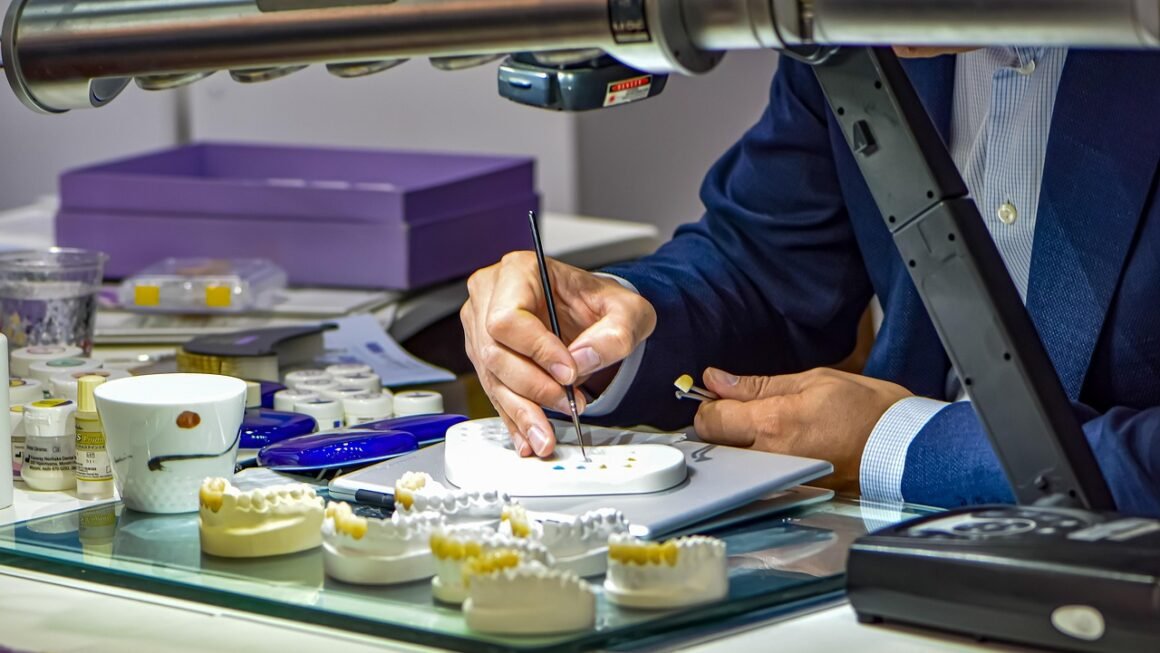
Achieving a dazzling, confident smile is a goal for many, and with the advancements in cosmetic dentistry, it’s more attainable than ever. While over-the-counter whitening products offer a convenient solution, they often fall short of delivering the dramatic and long-lasting results that people desire. This is where dental-grade teeth whitening steps in, providing a professional approach to brightening your smile effectively and safely.
Understanding Dental-Grade Teeth Whitening
Dental-grade teeth whitening refers to whitening treatments administered by a qualified dental professional, either in-office or through take-home kits prescribed and monitored by your dentist. These treatments utilize higher concentrations of whitening agents, such as hydrogen peroxide or carbamide peroxide, compared to over-the-counter options. This allows for more significant and faster results.
The Difference Between Over-the-Counter and Dental-Grade Whitening
Many individuals try over-the-counter whitening products before considering professional options. While these products can offer some improvement, they have limitations:
- Lower Concentration of Whitening Agents: Over-the-counter products contain significantly lower concentrations of hydrogen or carbamide peroxide, typically ranging from 3% to 10%, whereas professional treatments can reach up to 40% in-office.
- Less Customization: Over-the-counter kits use generic trays that may not fit your teeth properly, leading to uneven whitening and potential gum irritation.
- Limited Supervision: Over-the-counter options lack professional supervision, increasing the risk of misuse and potential damage to your teeth or gums.
- Reduced Effectiveness: Due to the lower concentration and lack of customization, over-the-counter products often yield less dramatic and shorter-lasting results compared to dental-grade whitening.
For example, imagine using an over-the-counter whitening strip for two weeks with minimal results. In contrast, a single in-office dental-grade whitening session could provide a noticeable difference, sometimes several shades brighter.
Types of Dental-Grade Whitening Treatments
Dental-grade whitening encompasses several techniques, each with its own advantages:
- In-Office Whitening: This involves a dentist applying a high-concentration whitening gel to your teeth, often activated by a special light or laser. This method delivers the fastest and most dramatic results, often in a single appointment.
- Take-Home Whitening Kits: Your dentist provides custom-fitted trays and a prescription-strength whitening gel. You wear the trays for a specified period each day, typically for a few weeks. This offers a more gradual but still effective whitening process.
- Internal Bleaching (for Non-Vital Teeth): This is a specialized technique used for teeth that have darkened from within, often due to root canal treatment. The dentist places a whitening agent inside the tooth, which is then sealed and monitored for optimal results.
The Benefits of Professional Teeth Whitening
Choosing dental-grade whitening offers numerous advantages over over-the-counter alternatives.
Enhanced Aesthetics and Confidence
- Dramatic Results: Achieve a noticeably brighter and more radiant smile, boosting your confidence and self-esteem. Studies have shown that a whiter smile can make you appear younger and more attractive.
- Even Whitening: Custom-fitted trays ensure even application of the whitening gel, preventing blotchy or uneven results.
- Stain Removal: Effectively remove stubborn stains caused by coffee, tea, tobacco, and other factors.
- Improved First Impressions: A brighter smile can enhance your first impression in social and professional settings.
Safety and Supervision
- Professional Assessment: Your dentist will assess your oral health to determine if you’re a suitable candidate for whitening and identify any potential risks.
- Gum Protection: Dentists use protective barriers to shield your gums from the whitening agent, minimizing the risk of irritation or sensitivity.
- Reduced Sensitivity: Dentists can recommend desensitizing agents to help manage any potential tooth sensitivity during and after the whitening process.
- Proper Instructions and Monitoring: You’ll receive detailed instructions and ongoing support from your dentist throughout the treatment, ensuring safe and effective use of the whitening agents.
Long-Lasting Results
- Durable Whitening: Dental-grade treatments penetrate deeper into the enamel, resulting in longer-lasting whitening compared to over-the-counter products.
- Maintenance Options: Your dentist can recommend maintenance treatments, such as touch-up kits, to prolong the results of your whitening.
- Personalized Approach: Your dentist will tailor the whitening treatment to your specific needs and preferences, optimizing the results and minimizing any potential side effects.
What to Expect During the Whitening Process
The process will vary depending on the type of whitening treatment you choose.
In-Office Whitening Procedure
Take-Home Whitening Kit Procedure
Managing Sensitivity
Tooth sensitivity is a common side effect of teeth whitening. Here are some ways to manage it:
- Use Desensitizing Toothpaste: Brush with desensitizing toothpaste for a few weeks before and during the whitening process.
- Shorten Whitening Sessions: Reduce the duration of your whitening sessions to minimize sensitivity.
- Take Breaks: Take breaks between whitening sessions to allow your teeth to recover.
- Fluoride Treatments: Your dentist may recommend fluoride treatments to strengthen your enamel and reduce sensitivity.
Maintaining Your Brightened Smile
After achieving your desired shade, it’s essential to maintain your results.
Oral Hygiene Practices
- Brush and Floss Regularly: Brush your teeth twice a day with fluoride toothpaste and floss daily to remove plaque and prevent stains.
- Avoid Staining Foods and Drinks: Limit your consumption of coffee, tea, red wine, and other staining foods and drinks.
- Rinse Your Mouth: Rinse your mouth with water after consuming staining substances.
Professional Maintenance
- Regular Dental Checkups: Schedule regular dental checkups and cleanings to remove surface stains and maintain optimal oral health.
- Touch-Up Treatments: Consider using touch-up whitening kits or in-office treatments periodically to maintain your brightened smile.
- Professional Polishing: Ask your dentist about professional polishing to remove surface stains and enhance the luster of your teeth.
For example, you might schedule a dental cleaning every six months and use a take-home whitening kit once a year to maintain your results. Avoiding coffee and using a straw when drinking dark liquids can also help prevent new stains from forming.
Conclusion
Dental-grade teeth whitening offers a safe, effective, and long-lasting solution for achieving a brighter, more confident smile. By understanding the different types of treatments, benefits, and maintenance strategies, you can make an informed decision and work with your dentist to achieve the smile of your dreams. While over-the-counter options may seem appealing, the professional supervision, customization, and superior results of dental-grade whitening make it a worthwhile investment in your oral health and overall well-being. Don’t hesitate to consult with your dentist to determine the best whitening option for your specific needs and enjoy the transformative power of a radiant smile.