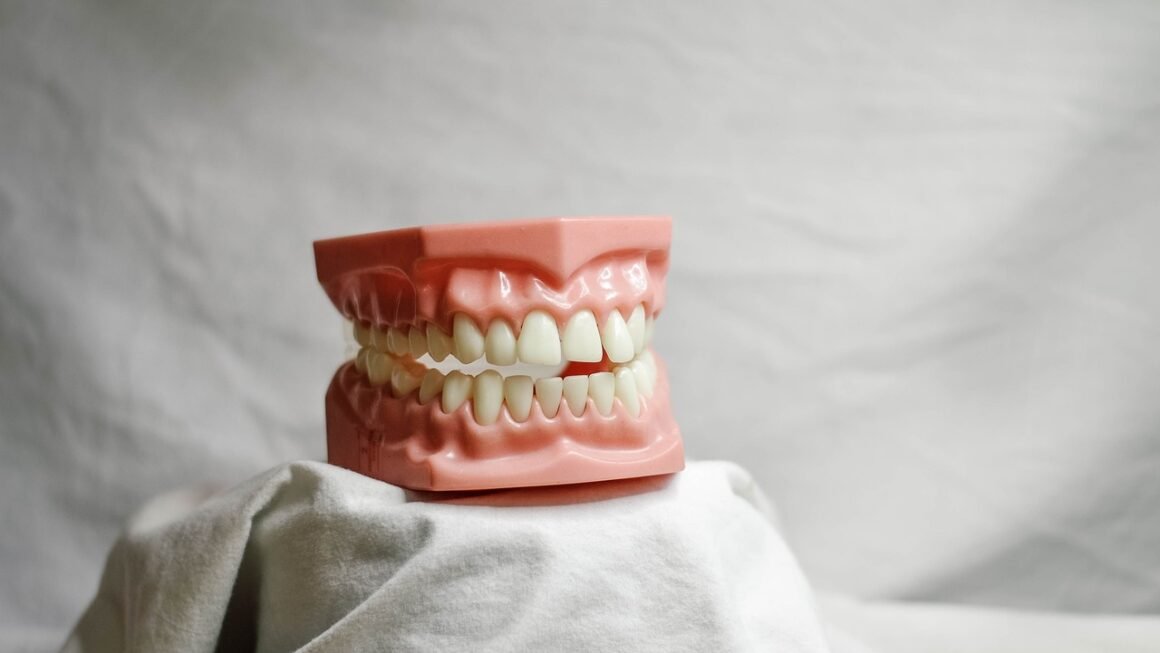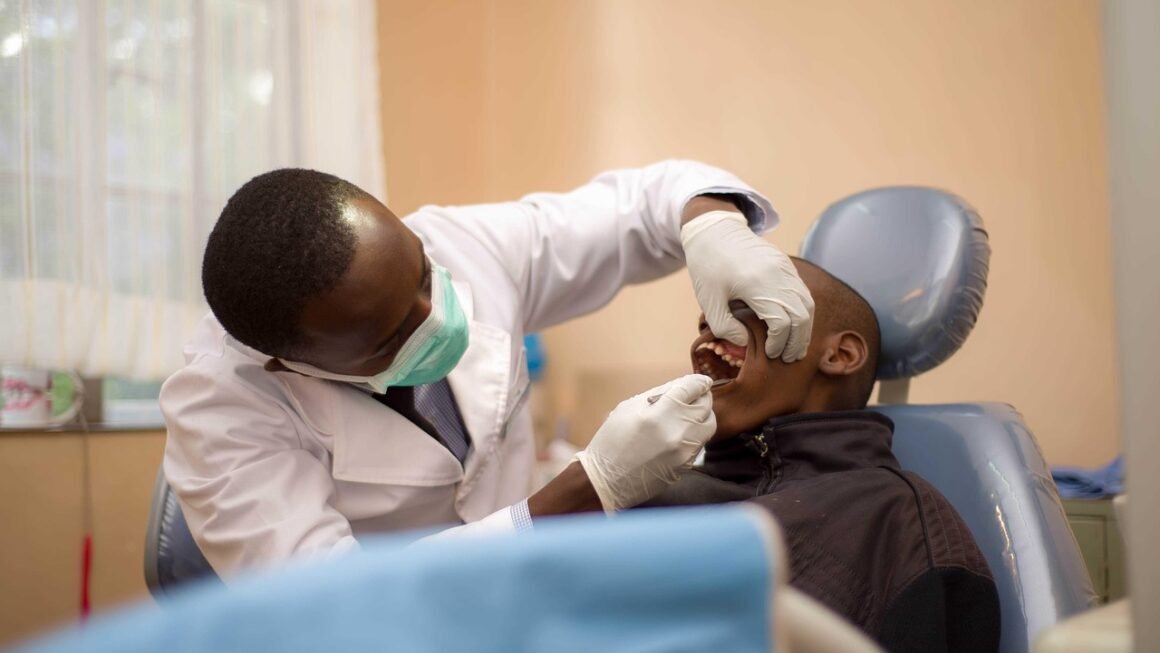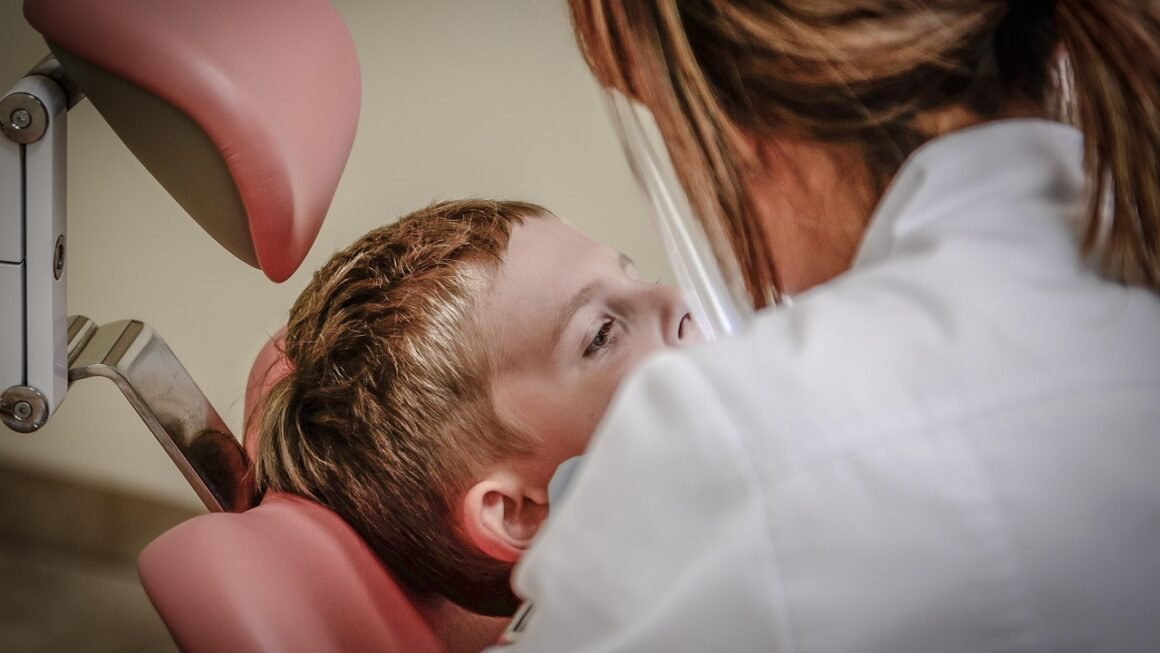
Maintaining a healthy and radiant smile isn’t just about brushing and flossing; it’s also about scheduling regular dental checkups. These appointments are crucial for preventing dental problems, catching issues early, and ensuring your overall oral health. But how often should you really be visiting the dentist? Let’s dive into the recommended dental checkup schedule and why it’s so important.
Why Regular Dental Checkups Matter
Prevention is Key
The primary benefit of regular dental checkups is prevention. Dentists and hygienists are trained to identify early signs of cavities, gum disease, and other oral health issues that you might miss at home. Early detection often means simpler and less expensive treatment.
- Cavity Detection: Dentists use X-rays and visual exams to identify cavities, even those hidden between teeth.
- Gum Disease Screening: Checking for inflammation, bleeding, and pocket depths around the teeth helps detect gum disease in its early stages.
- Oral Cancer Screening: Dentists perform visual examinations to look for any abnormalities that could indicate oral cancer.
Professional Cleaning
Even with diligent brushing and flossing, plaque and tartar can build up in hard-to-reach areas. During a dental checkup, a dental hygienist performs a professional cleaning to remove this buildup. This helps prevent cavities, gum disease, and bad breath.
- Scaling: Removal of plaque and tartar from above and below the gum line.
- Polishing: Smoothing the tooth surfaces to remove stains and make it harder for plaque to accumulate.
- Fluoride Treatment: Strengthening tooth enamel and protecting against decay, often recommended for children and adults at high risk for cavities.
Identifying Underlying Health Issues
Sometimes, oral health issues can be indicators of other health problems. For example, gum disease has been linked to conditions like heart disease, diabetes, and respiratory problems. A dental checkup can help identify these connections.
- Diabetes: People with diabetes are more susceptible to gum disease.
- Heart Disease: Inflammation from gum disease can contribute to heart problems.
- Osteoporosis: Bone loss in the jaw can be an early sign of osteoporosis.
The Standard Dental Checkup Schedule
Recommended Frequency: Every Six Months
The most commonly recommended dental checkup schedule is every six months. This allows dentists to monitor your oral health regularly and catch any potential problems early. However, this may vary based on individual needs.
Example: A healthy adult with good oral hygiene habits might only need to see the dentist every six months.
Why Six Months?
The six-month interval is based on the typical rate at which plaque and tartar accumulate, and the progression of common dental problems. Regular checkups allow dentists to intervene before minor issues become major problems requiring more extensive treatment.
Factors Affecting Your Dental Checkup Schedule
Individual Oral Health Needs
Certain individuals may require more frequent dental checkups due to specific oral health needs. This might include:
- History of Cavities or Gum Disease: If you’ve had a history of dental problems, your dentist may recommend checkups every three to four months.
- Weakened Immune System: Conditions like HIV/AIDS or certain medications can compromise your immune system, making you more susceptible to oral infections.
- Smokers: Smoking increases the risk of gum disease and oral cancer, requiring more frequent monitoring.
- Pregnant Women: Hormonal changes during pregnancy can increase the risk of gum disease, so more frequent checkups may be advised.
Age and Life Stage
Dental needs change throughout life. Children, adults, and seniors have different oral health concerns that may impact their checkup schedule.
- Children: Regular checkups are essential for monitoring tooth development, preventing cavities, and teaching good oral hygiene habits.
- Adults: Maintaining oral health and preventing gum disease are key concerns, often addressed with six-month checkups.
- Seniors: Older adults may face issues like dry mouth, root decay, and denture problems, requiring more frequent monitoring.
Example: Children with braces usually need more frequent visits to the orthodontist and regular checkups with their general dentist to ensure proper oral hygiene during treatment.
Specific Medical Conditions
Certain medical conditions can directly impact oral health and necessitate more frequent dental visits.
- Diabetes: As mentioned earlier, diabetes increases the risk of gum disease.
- Dry Mouth (Xerostomia): Reduced saliva flow increases the risk of cavities and oral infections.
- Eating Disorders: Conditions like bulimia can cause enamel erosion due to frequent vomiting.
What to Expect During a Dental Checkup
Comprehensive Examination
A dental checkup typically includes a thorough examination of your teeth, gums, and mouth. The dentist will look for signs of:
- Cavities
- Gum Disease
- Oral Cancer
- Other abnormalities
Diagnostic X-Rays
X-rays are an essential part of a dental checkup, allowing the dentist to see areas that are not visible during a visual examination. They can help detect:
- Cavities between teeth
- Bone loss due to gum disease
- Impacted teeth
- Cysts or tumors
Professional Cleaning
As discussed earlier, a dental hygienist will perform a professional cleaning to remove plaque and tartar. This includes scaling, polishing, and fluoride treatment (if recommended).
Personalized Recommendations
Based on the examination and cleaning, the dentist will provide personalized recommendations for improving your oral health. This might include:
- Improving brushing and flossing techniques
- Using specific oral hygiene products
- Scheduling further treatment for any identified problems
- Dietary recommendations
Example: If you have signs of early gum disease, the dentist might recommend using an antimicrobial mouthwash and scheduling more frequent cleanings.
Overcoming Dental Anxiety
Communicate Your Concerns
Dental anxiety is common, and many people feel apprehensive about visiting the dentist. The best way to manage this is to communicate your concerns with your dental team. They can take steps to make you feel more comfortable.
Relaxation Techniques
Using relaxation techniques like deep breathing, meditation, or listening to calming music can help reduce anxiety during your appointment.
Sedation Options
For severe anxiety, your dentist may offer sedation options like nitrous oxide (laughing gas) or oral sedatives. These can help you relax and feel more comfortable during the procedure.
Conclusion
Regular dental checkups are an investment in your overall health and well-being. By following a recommended schedule and addressing any specific oral health needs, you can prevent dental problems, maintain a healthy smile, and improve your quality of life. Don’t wait until you have a toothache or other dental issue; schedule your next checkup today!