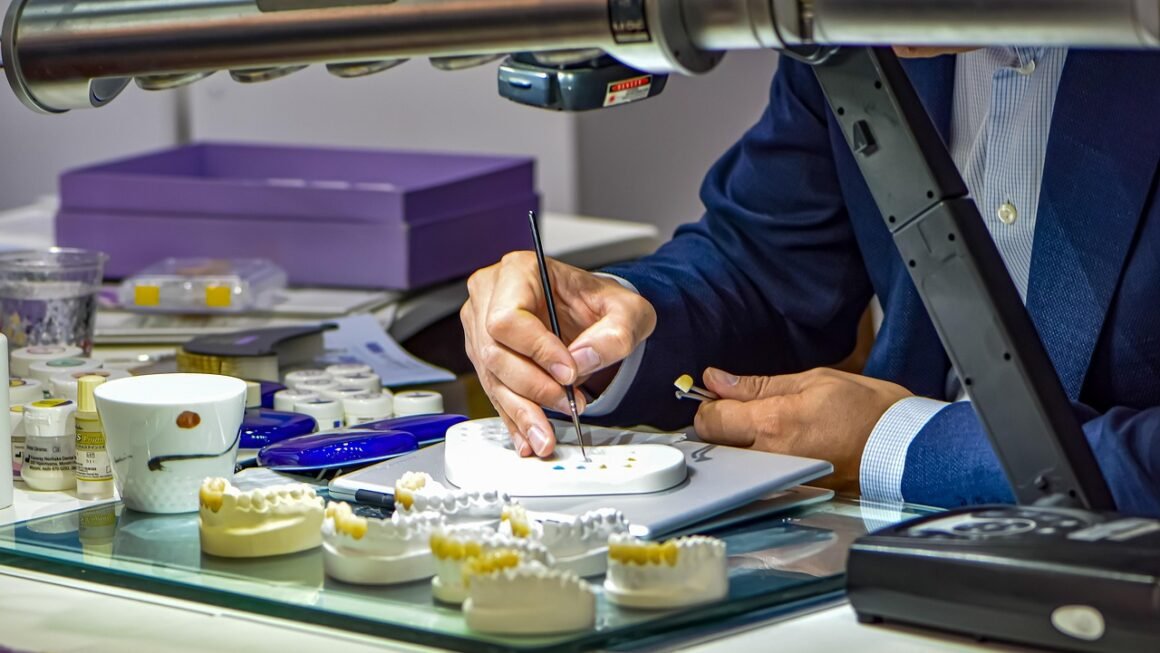
Is your smile losing its luster? Tooth discoloration is a common concern that affects people of all ages. Understanding the causes, prevention methods, and treatment options available can help you maintain a bright, healthy smile. This guide offers a comprehensive overview of tooth discoloration, empowering you to make informed decisions about your oral health.
Understanding Tooth Discoloration: Causes and Types
Tooth discoloration is more than just a cosmetic issue; it can sometimes indicate underlying oral health problems. It’s important to understand the different types of discoloration and their causes to properly address them.
Types of Tooth Discoloration
- Extrinsic Stains: These stains occur on the enamel surface and are typically caused by external factors.
Examples: Coffee, tea, red wine, soda, and tobacco use are common culprits. Chromogens in these substances attach to the enamel and cause staining.
- Intrinsic Stains: These stains originate from within the tooth structure (dentin).
Examples: Exposure to excessive fluoride during tooth development (fluorosis), certain medications (tetracycline antibiotics), and dental trauma can cause intrinsic staining.
- Age-Related Stains: As we age, the enamel thins, revealing the naturally yellow-colored dentin beneath. This, coupled with years of exposure to staining agents, contributes to overall tooth discoloration.
Common Causes of Tooth Discoloration
- Diet and Drinks: As mentioned previously, dark-colored beverages and certain foods can significantly contribute to extrinsic staining.
Tip: Rinsing your mouth with water after consuming staining substances can help minimize their impact.
- Tobacco Use: Smoking or chewing tobacco causes significant staining due to the tar and nicotine content.
Actionable Takeaway: Quitting tobacco is beneficial for both your overall and oral health, including reducing tooth discoloration.
- Poor Oral Hygiene: Inadequate brushing and flossing allow plaque and tartar to accumulate, leading to staining.
Recommendation: Brush your teeth twice daily and floss once daily to remove plaque and prevent staining.
- Medications: Certain medications, like tetracycline, can cause permanent intrinsic staining, particularly if taken during tooth development.
Important Note: Always inform your dentist about any medications you are taking.
- Dental Trauma: Injury to a tooth can damage the pulp (nerve) and lead to internal bleeding and discoloration.
- Age: The natural thinning of enamel with age exposes the underlying dentin, which is naturally yellow.
Prevention Strategies for a Brighter Smile
Preventing tooth discoloration is often easier than treating it. Adopting good oral hygiene practices and making lifestyle changes can significantly reduce your risk.
Maintaining Excellent Oral Hygiene
- Brushing: Brush your teeth twice daily for at least two minutes each time, using fluoride toothpaste.
Technique: Use gentle, circular motions to clean all surfaces of your teeth.
- Flossing: Floss daily to remove plaque and food particles from between your teeth and along the gumline.
Benefit: Flossing reaches areas that your toothbrush cannot, helping to prevent staining and gum disease.
- Mouthwash: Use an antiseptic mouthwash to kill bacteria and freshen your breath.
Tip: Choose a mouthwash that does not contain alcohol, as alcohol can dry out your mouth and potentially contribute to staining.
- Regular Dental Checkups: Visit your dentist for regular checkups and professional cleanings.
Frequency: Aim for dental checkups every six months.
Lifestyle Modifications
- Limit Staining Beverages and Foods: Reduce your consumption of coffee, tea, red wine, soda, and other staining substances.
Example: Drink staining beverages through a straw to minimize contact with your teeth.
- Quit Tobacco Use: If you smoke or chew tobacco, quitting is essential for your oral and overall health.
- Stay Hydrated: Drinking plenty of water helps to wash away food particles and prevent staining.
- Dietary Considerations: Include crunchy fruits and vegetables in your diet, such as apples and carrots, as they can help to naturally scrub your teeth.
Teeth Whitening Treatments: Options and Considerations
When prevention isn’t enough, various teeth whitening treatments are available to help you achieve a brighter smile. Understanding the options and their pros and cons is crucial for making an informed decision.
Professional Teeth Whitening
- In-Office Whitening: This treatment is performed by a dentist and typically involves applying a high-concentration bleaching gel to your teeth, often activated by a special light or laser.
Benefits: Fastest and most effective whitening results.
Considerations: Can be more expensive than other options.
- Custom Tray Whitening: Your dentist will create custom-fitted trays and provide you with a whitening gel to use at home.
Benefits: More comfortable and effective than over-the-counter trays.
Example: You typically wear the trays for a few hours each day for several weeks to achieve desired results.
Over-the-Counter Whitening Products
- Whitening Toothpastes: These toothpastes contain abrasive ingredients that help to remove surface stains.
Considerations: Primarily effective for removing extrinsic stains and may not significantly whiten teeth.
- Whitening Strips: These strips contain a thin layer of whitening gel that is applied to your teeth.
Benefits: Relatively inexpensive and easy to use.
Important: Follow the instructions carefully to avoid tooth sensitivity or gum irritation.
- Whitening Rinses: These rinses contain hydrogen peroxide, which can help to whiten teeth over time.
Limitations: Less effective than other whitening methods.
Factors to Consider Before Whitening
- Tooth Sensitivity: Teeth whitening can sometimes cause temporary tooth sensitivity.
- Gum Irritation: The bleaching agents can irritate the gums in some individuals.
- Existing Dental Work: Whitening treatments may not be effective on dental restorations, such as fillings or crowns.
- Underlying Dental Problems: It’s essential to address any underlying dental problems, such as cavities or gum disease, before undergoing teeth whitening.
Other Treatment Options for Severe Discoloration
In some cases, teeth whitening may not be sufficient to address severe discoloration. Other treatment options may be necessary to achieve the desired aesthetic outcome.
Dental Veneers
- Description: Thin, custom-made shells that are bonded to the front surface of the teeth.
Benefits: Can effectively cover severe stains, chips, and other imperfections.
Material: Typically made from porcelain or composite resin.
- Procedure: Requires minimal tooth preparation and can significantly improve the appearance of your smile.
Dental Crowns
- Description: Caps that cover the entire tooth.
Indications: Often used to restore teeth that are severely damaged or discolored.
Material: Can be made from porcelain, metal, or a combination of both.
- Considerations: Requires more tooth preparation than veneers.
Dental Bonding
- Description: A tooth-colored resin is applied to the teeth to mask discoloration or other cosmetic imperfections.
Benefits: A more conservative and less expensive option compared to veneers or crowns.
* Limitations: May not be as durable as other options.
Conclusion
Tooth discoloration is a common issue with a variety of causes and solutions. By understanding the different types of discoloration, practicing good oral hygiene, and exploring available treatment options, you can effectively address this concern and achieve a brighter, more confident smile. Remember to consult with your dentist to determine the best course of action for your individual needs and to address any underlying dental problems. Prioritizing your oral health and making informed choices will contribute to a beautiful and healthy smile for years to come.