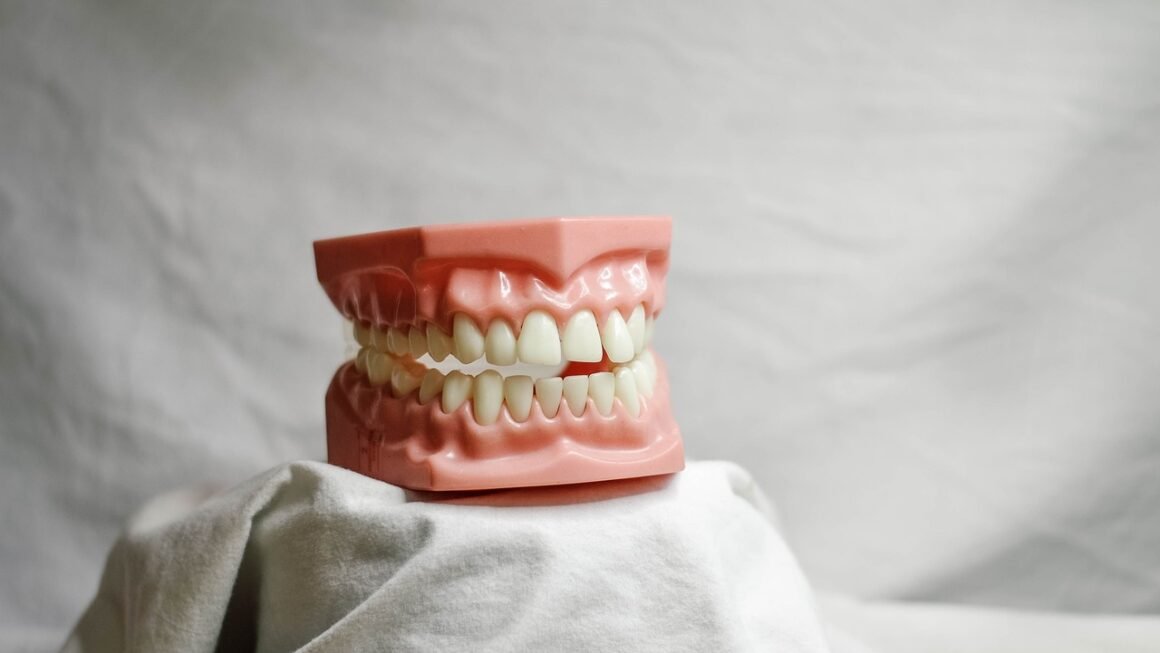
Gingivitis, the early stage of gum disease, affects millions of people worldwide. Often painless in its initial phases, it can easily go unnoticed and progress to more severe periodontal disease, potentially leading to tooth loss and other health complications. Fortunately, gingivitis is highly preventable with consistent and proper oral hygiene practices. This article dives into the key strategies you can implement to protect your gums and maintain a healthy, vibrant smile.
Understanding Gingivitis and Its Causes
What is Gingivitis?
Gingivitis is inflammation of the gums, typically caused by the buildup of plaque on the teeth. Plaque is a sticky film of bacteria that constantly forms in your mouth. When plaque isn’t removed through brushing and flossing, it can harden into tartar (calculus), which irritates the gums and leads to inflammation.
Common Causes of Gingivitis
Several factors can contribute to the development of gingivitis:
- Poor Oral Hygiene: Inadequate brushing and flossing allows plaque to accumulate.
- Smoking or Tobacco Use: Tobacco weakens the immune system and hinders the healing process. Studies show that smokers are significantly more likely to develop gingivitis and periodontitis.
- Certain Medications: Some medications, such as anticonvulsants and calcium channel blockers, can cause dry mouth, which reduces saliva’s natural cleansing action.
- Diet: A diet high in sugary and starchy foods provides fuel for the bacteria in plaque.
- Hormonal Changes: Pregnancy, menstruation, and menopause can increase gum sensitivity and make them more susceptible to gingivitis.
- Underlying Health Conditions: Conditions like diabetes can weaken the immune system and increase the risk of infection, including gingivitis.
- Crooked Teeth or Dental Appliances: These can make it harder to properly clean all areas of the mouth, leading to plaque buildup.
Mastering the Art of Brushing
Choosing the Right Toothbrush
Selecting the right toothbrush is the first step in effective plaque removal. Opt for a soft-bristled toothbrush, as hard bristles can damage the gums and tooth enamel.
- Soft Bristles: Gentler on gums and teeth, preventing irritation.
- Proper Size: Choose a toothbrush that fits comfortably in your mouth, allowing you to reach all areas easily.
- Electric Toothbrushes: Electric toothbrushes can be more effective at removing plaque than manual toothbrushes, especially for those with limited dexterity. Some models even have timers to ensure you brush for the recommended two minutes.
Effective Brushing Techniques
Proper technique is crucial for removing plaque effectively. Here’s a step-by-step guide:
- Angle the brush: Hold the toothbrush at a 45-degree angle to the gumline.
- Use gentle, circular motions: Brush in small, circular motions, covering all surfaces of each tooth.
- Brush for two minutes: Most dentists recommend brushing for at least two minutes, twice a day. Use a timer or a toothbrush with a built-in timer to ensure you brush for the appropriate amount of time.
- Don’t forget the tongue: Brush your tongue to remove bacteria and freshen your breath.
When to Replace Your Toothbrush
Replace your toothbrush every three to four months, or sooner if the bristles are frayed. Frayed bristles are less effective at cleaning teeth and can harbor bacteria. Consider setting a reminder in your calendar to replace your toothbrush regularly.
The Importance of Flossing
Why Floss?
Flossing removes plaque and food particles from between your teeth and under the gumline, areas that your toothbrush can’t reach. This is critical for preventing gingivitis.
- Removes Plaque: Flossing removes plaque buildup in hard-to-reach areas.
- Prevents Tartar Formation: By removing plaque, flossing prevents it from hardening into tartar.
- Reduces Gum Inflammation: Regular flossing helps to keep gums healthy and reduces inflammation.
How to Floss Correctly
Flossing may seem simple, but using the correct technique is essential for effectiveness:
- Use about 18 inches of floss: Break off about 18 inches of floss and wind most of it around your middle fingers, leaving a few inches to work with.
- Guide the floss gently: Gently guide the floss between your teeth using a sawing motion.
- Curve the floss: Curve the floss around each tooth in a “C” shape, making sure to go below the gumline.
- Use a clean section: Use a clean section of floss for each tooth.
Alternatives to Traditional Floss
If you find traditional flossing difficult, consider using these alternatives:
- Interdental Brushes: Small brushes designed to clean between teeth.
- Water Flossers: Devices that use a stream of water to remove plaque and food particles. Water flossers can be particularly helpful for people with braces or other dental appliances.
- Floss Picks: Pre-threaded floss holders that are easy to use.
The Role of Diet and Nutrition
Foods to Promote Gum Health
A healthy diet is not only good for your overall well-being but also plays a crucial role in maintaining healthy gums.
- Fruits and Vegetables: Rich in vitamins and minerals that strengthen the immune system. Especially beneficial are foods rich in Vitamin C, like citrus fruits and broccoli.
- Calcium-Rich Foods: Dairy products and leafy greens contribute to strong teeth and bones.
- Foods High in Fiber: Help to stimulate saliva production, which neutralizes acids and washes away food particles.
Foods to Avoid for Gum Health
Certain foods can contribute to plaque buildup and gum inflammation.
- Sugary Foods and Drinks: Provide fuel for bacteria in plaque.
- Acidic Foods and Drinks: Can erode tooth enamel, making teeth more vulnerable to decay and sensitivity.
- Sticky Foods: Can cling to teeth and promote plaque buildup.
Staying Hydrated
Drinking plenty of water helps to wash away food particles and bacteria, keeping your mouth clean and promoting saliva production. Aim for at least eight glasses of water per day.
Regular Dental Checkups and Professional Cleanings
Why Professional Cleanings are Essential
Even with excellent at-home oral hygiene, some plaque and tartar can be difficult to remove. Professional dental cleanings are crucial for removing this buildup and preventing gingivitis from progressing. A dental hygienist uses specialized tools to remove tartar from above and below the gumline.
- Tartar Removal: Hygienists use specialized tools to remove tartar.
- Early Detection: Dentists can detect early signs of gingivitis and other dental problems during checkups.
- Personalized Advice: Dentists and hygienists can provide personalized advice on oral hygiene practices.
Frequency of Dental Visits
Most dentists recommend visiting the dentist for a checkup and cleaning every six months. However, if you have a history of gum disease, you may need to visit more frequently. Your dentist can recommend the appropriate frequency based on your individual needs.
What to Expect During a Dental Checkup
A typical dental checkup includes:
- Oral Examination: The dentist will examine your teeth, gums, and mouth for signs of problems.
- Professional Cleaning: A dental hygienist will remove plaque and tartar from your teeth.
- X-Rays: X-rays may be taken to detect hidden problems, such as cavities or bone loss.
- Discussion of Oral Hygiene: The dentist or hygienist will discuss your oral hygiene practices and provide personalized recommendations.
Conclusion
Preventing gingivitis is a lifelong commitment to good oral hygiene practices. By understanding the causes of gingivitis, mastering proper brushing and flossing techniques, paying attention to your diet, and attending regular dental checkups, you can significantly reduce your risk of developing gum disease and maintain a healthy, beautiful smile for years to come. Don’t underestimate the power of these simple, yet effective strategies in safeguarding your oral health and overall well-being. Make these habits a part of your daily routine and enjoy the benefits of healthy gums and teeth.