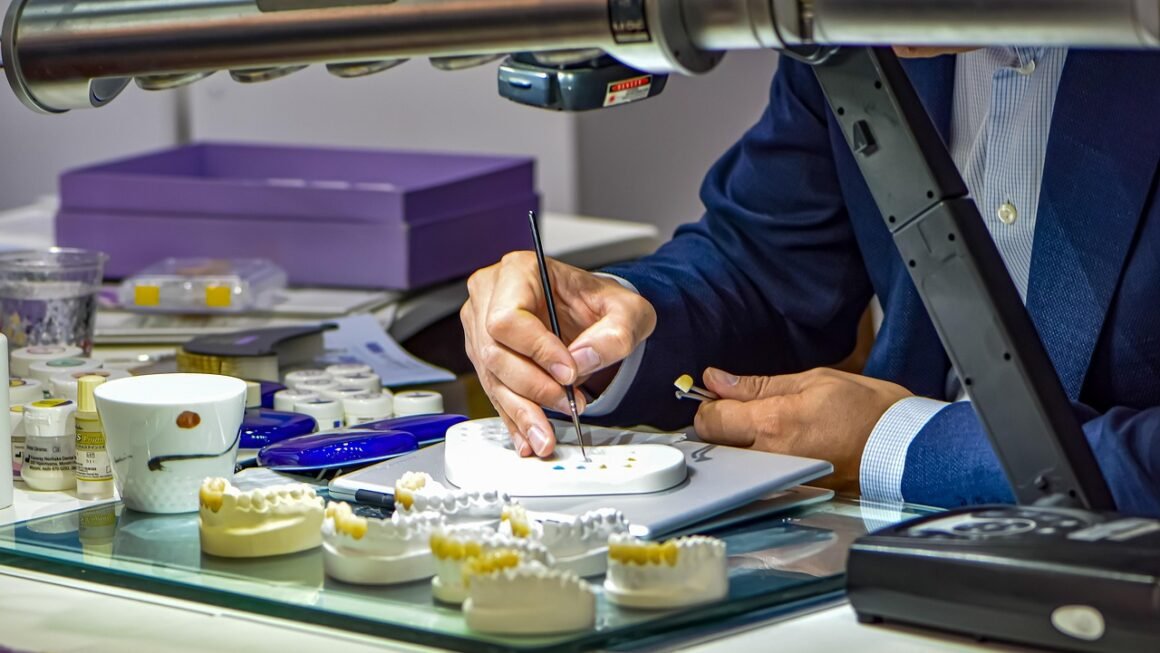
Achieving a brighter, whiter smile is a goal many people share. A dazzling smile not only boosts confidence but also leaves a positive impression. Fortunately, various dental whitening systems are available, each offering unique benefits and approaches to help you attain that radiant grin. This comprehensive guide explores the different types of teeth whitening options, their effectiveness, safety, and what to consider before making a choice.
Understanding Teeth Whitening
What Causes Teeth Discoloration?
Several factors contribute to teeth discoloration. Understanding these causes is crucial in choosing the most effective whitening treatment. Common culprits include:
- Foods and Drinks: Coffee, tea, red wine, and dark-colored foods like berries can stain teeth over time.
- Tobacco Use: Smoking and chewing tobacco significantly contribute to yellowing and browning of teeth.
- Poor Oral Hygiene: Inadequate brushing and flossing allow plaque and tartar to build up, leading to discoloration.
- Age: As we age, the outer enamel layer of our teeth thins, revealing the yellowish dentin underneath.
- Medications: Certain medications, such as tetracycline antibiotics, can cause intrinsic staining.
- Trauma: Injury to a tooth can sometimes lead to discoloration.
Types of Stains: Extrinsic vs. Intrinsic
It’s essential to differentiate between extrinsic and intrinsic stains, as this affects the choice of whitening method.
- Extrinsic Stains: These are surface stains caused by external factors like food, drinks, and tobacco. They are generally easier to remove with over-the-counter products and professional cleanings.
- Intrinsic Stains: These stains are within the tooth structure and are more difficult to remove. They may be caused by medications, trauma, or developmental issues. Intrinsic stains often require more aggressive whitening treatments.
Professional Teeth Whitening
In-Office Whitening
In-office whitening, performed by a dentist, is the most effective and fastest way to brighten your smile. Here’s what you can expect:
- Consultation: The dentist will examine your teeth and discuss your goals to determine if you are a suitable candidate.
- Protection: Your gums and soft tissues will be protected with a barrier.
- Whitening Agent Application: A high-concentration hydrogen peroxide or carbamide peroxide gel is applied to your teeth.
- Activation: A special light or laser may be used to activate the whitening agent. This accelerates the process.
- Rinsing and Evaluation: After a specific amount of time, the gel is rinsed off, and the results are evaluated. Multiple applications may be needed.
Example: Zoom! Whitening is a popular in-office treatment that uses a hydrogen peroxide gel and a special light to achieve dramatic results in a single visit. Many patients see a significant improvement, often several shades lighter.
Custom Take-Home Whitening Kits
Dentists also offer custom take-home whitening kits. These kits are more effective than over-the-counter options because they use a higher concentration of whitening gel and custom-fitted trays.
- Impression: Your dentist will take impressions of your teeth to create custom trays.
- Gel Application: You will receive a supply of whitening gel and instructions on how to apply it to the trays.
- Wear Time: You will wear the trays for a specified amount of time each day, typically for a few weeks.
- Follow-Up: Regular check-ups with your dentist are recommended to monitor progress and address any concerns.
Example: A dentist might provide a patient with custom trays and a 22% carbamide peroxide gel to wear for 30-60 minutes each day for two weeks. This allows for gradual and controlled whitening at home.
Over-the-Counter Teeth Whitening Products
Whitening Toothpastes
Whitening toothpastes contain mild abrasives and chemicals that help remove surface stains. They are a cost-effective way to maintain a brighter smile, but they typically only offer subtle results.
- Mechanism of Action: They work by physically scrubbing away surface stains and may contain chemicals like hydrogen peroxide or carbamide peroxide in low concentrations.
- Limitations: Whitening toothpastes primarily address extrinsic stains and are not effective for intrinsic stains.
- Considerations: Look for toothpastes with the ADA Seal of Acceptance to ensure safety and effectiveness. Be aware that overuse of abrasive toothpastes can damage enamel.
Whitening Strips
Whitening strips are thin, flexible strips coated with a peroxide-based whitening gel. They are applied directly to the teeth and worn for a specified period.
- Convenience: They are easy to use and can be done at home.
- Effectiveness: Whitening strips can be effective for mild to moderate extrinsic stains.
- Potential Issues: Some people experience tooth sensitivity or gum irritation when using whitening strips. It’s important to follow the instructions carefully and avoid leaving the strips on for longer than recommended. The strips may not conform perfectly to the teeth, resulting in uneven whitening.
Example: Crest 3D White Whitestrips are a popular over-the-counter option. They typically contain a lower concentration of hydrogen peroxide compared to professional treatments.
Whitening Gels and Rinses
Whitening gels are brushed onto the teeth, while whitening rinses are swished in the mouth. These products often contain hydrogen peroxide or carbamide peroxide.
- Ease of Use: They are relatively easy to incorporate into your daily routine.
- Effectiveness: The effectiveness varies depending on the concentration of the whitening agent and the duration of use. Gels tend to be more effective than rinses because they have longer contact with the teeth.
- Considerations: Follow the instructions carefully and avoid swallowing the products. Some people may experience tooth sensitivity or gum irritation.
Safety and Potential Side Effects
Tooth Sensitivity
Tooth sensitivity is a common side effect of teeth whitening. It occurs when the whitening agent penetrates the enamel and irritates the nerves in the teeth.
- Management: Use desensitizing toothpaste, such as Sensodyne, before and after whitening treatments. Your dentist may also recommend fluoride treatments or prescribe a desensitizing gel. Reduce the frequency or duration of whitening treatments if sensitivity becomes severe.
- Prevention: Choose whitening products with lower concentrations of peroxide. Consider using a fluoride treatment before whitening.
Gum Irritation
Gum irritation can occur if the whitening agent comes into contact with the gums. This is more common with over-the-counter products that do not provide adequate gum protection.
- Prevention: Use custom-fitted trays for at-home whitening to minimize contact between the whitening agent and the gums. Follow the instructions carefully and avoid overfilling the trays with gel.
- Management: Rinse your mouth with warm salt water to soothe irritated gums. Discontinue use of the whitening product if irritation persists.
Enamel Damage
Excessive or improper use of teeth whitening products can potentially damage the enamel.
- Prevention: Follow the instructions carefully and avoid overusing whitening products. Choose products with the ADA Seal of Acceptance to ensure safety and effectiveness. Consult with your dentist to determine the best whitening option for your specific needs.
- Considerations: Avoid using highly abrasive whitening toothpastes excessively. Limit the frequency and duration of whitening treatments.
Maintaining Your Whitened Smile
Oral Hygiene Practices
Maintaining good oral hygiene is crucial for preserving your whiter smile. Brush your teeth at least twice a day with fluoride toothpaste and floss daily.
Diet and Lifestyle Choices
Limit your consumption of stain-causing foods and drinks, such as coffee, tea, red wine, and dark-colored berries. If you do consume these items, rinse your mouth with water afterwards. Avoid tobacco use, as it significantly contributes to teeth discoloration.
Touch-Up Treatments
Teeth whitening is not permanent, and touch-up treatments may be necessary to maintain your results. Your dentist can recommend a maintenance schedule based on your individual needs and lifestyle. Custom take-home kits can be used for occasional touch-ups.
Conclusion
Choosing the right dental whitening system depends on your individual needs, budget, and desired results. Professional in-office whitening provides the fastest and most dramatic results, while custom take-home kits offer a more gradual approach. Over-the-counter products can be effective for maintaining a brighter smile and addressing mild surface stains. Always consult with your dentist to determine the best and safest option for you, and follow their instructions carefully to minimize the risk of side effects and maximize your whitening results. Remember, a healthy and bright smile is achievable with the right approach and consistent care.