Maintaining a healthy and vibrant smile goes far beyond aesthetics; it’s a cornerstone of overall well-being. A consistent and effective oral hygiene routine can prevent a host of dental problems, from cavities and gum disease to bad breath and even more serious health issues linked to poor oral health. This comprehensive guide will break down the essential steps to creating a personalized oral hygiene routine that keeps your smile sparkling and your health in check.
The Foundation: Brushing Techniques
Choosing the Right Brush
Selecting the right toothbrush is the first critical step. Consider these factors:
- Bristle Softness: Opt for a soft-bristled brush. Hard bristles can damage enamel and irritate gums.
- Head Size: Choose a brush head that allows you to comfortably reach all areas of your mouth, including the back teeth.
- Handle Design: Select a handle that feels comfortable and provides a good grip.
- Manual vs. Electric: Both can be effective, but electric toothbrushes often have built-in timers and pressure sensors that can improve brushing technique.
It’s recommended to replace your toothbrush every three months or sooner if the bristles are frayed. Worn bristles are less effective at cleaning teeth.
The Brushing Process
Proper brushing technique is crucial for removing plaque and bacteria.
- Angle: Hold your toothbrush at a 45-degree angle to your gum line.
- Motion: Use gentle, short, circular motions. Avoid scrubbing, which can damage enamel.
- Coverage: Brush all surfaces of each tooth: the outer surface, the inner surface, and the chewing surface.
- Duration: Brush for at least two minutes, twice a day. Use a timer or the built-in timer on an electric toothbrush to ensure adequate brushing time. Many dentists recommend breaking your mouth into quadrants and spending 30 seconds brushing each.
According to the American Dental Association (ADA), proper brushing helps remove plaque and food debris, preventing cavities and gum disease.
Toothpaste Selection
Toothpaste plays a vital role in cleaning and protecting your teeth.
- Fluoride Content: Choose a toothpaste that contains fluoride. Fluoride strengthens tooth enamel and helps prevent cavities. The ADA recommends toothpaste with at least 1350 ppm of fluoride for adults.
- Consider Special Needs: If you have sensitive teeth, consider a toothpaste formulated for sensitivity. If you are prone to tartar buildup, look for tartar-control toothpaste.
- Whitening Properties: Whitening toothpastes can help remove surface stains, but they may not significantly whiten teeth.
- Avoid Abrasive Toothpastes: Toothpastes labeled as “smoker’s toothpaste” are often too abrasive and can damage enamel.
Flossing: Reaching the Unreachable
Why Floss?
Brushing alone cannot reach all areas of the mouth, particularly between teeth and under the gum line. Flossing removes plaque and food particles from these hard-to-reach areas, preventing cavities and gum disease. Approximately 30-40% of tooth surfaces are inaccessible to a toothbrush.
Flossing Technique
Proper flossing technique is essential for effectiveness.
- Length of Floss: Use about 18 inches of floss.
- Grip: Wrap the floss around your middle fingers, leaving a few inches to work with.
- Guidance: Use your thumbs and forefingers to guide the floss between your teeth.
- Motion: Gently slide the floss between your teeth and curve it into a “C” shape around each tooth.
- Under the Gum Line: Gently move the floss up and down, going slightly under the gum line.
- Clean Floss Sections: Use a clean section of floss for each tooth.
Don’t be discouraged if you experience some bleeding when you first start flossing. This is common and usually subsides as your gums become healthier. If bleeding persists, consult your dentist.
Alternatives to Traditional Floss
If you find traditional flossing difficult or uncomfortable, consider these alternatives:
- Floss Picks: These are small, disposable floss holders that can be easier to maneuver.
- Interdental Brushes: These small brushes are designed to clean between teeth.
- Water Flossers (Oral Irrigators): These devices use a stream of water to remove plaque and food particles. They are particularly helpful for people with braces or periodontal disease.
Rinsing: The Finishing Touch
Mouthwash Benefits
Using mouthwash after brushing and flossing can provide several benefits:
- Freshens Breath: Mouthwash can help eliminate bad breath by killing odor-causing bacteria.
- Reduces Plaque and Gingivitis: Some mouthwashes contain ingredients that reduce plaque and gingivitis (gum inflammation). Look for mouthwashes with antibacterial properties, such as cetylpyridinium chloride (CPC) or chlorhexidine gluconate (prescription only).
- Fluoride Protection: Fluoride mouthwashes can help strengthen tooth enamel and prevent cavities.
- Dry Mouth Relief: Mouthwashes formulated for dry mouth can help moisturize the mouth and stimulate saliva production.
How to Use Mouthwash
- Timing: Use mouthwash after brushing and flossing.
- Dosage: Follow the instructions on the mouthwash bottle. Typically, you’ll use about 20 ml (about 4 teaspoons).
- Duration: Swish the mouthwash around in your mouth for 30-60 seconds.
- Avoid Rinsing: Do not rinse your mouth with water immediately after using mouthwash, as this can wash away the beneficial ingredients.
Choosing the Right Mouthwash
- Alcohol-Free: Choose an alcohol-free mouthwash to avoid drying out your mouth.
- Antimicrobial: Look for mouthwashes with antimicrobial ingredients to kill bacteria.
- Fluoride: Consider a fluoride mouthwash for added protection against cavities.
- Consult Your Dentist: Ask your dentist for recommendations based on your individual needs.
Diet and Hydration: Fueling Healthy Teeth
The Impact of Diet
What you eat and drink significantly impacts your oral health.
- Sugary Foods and Drinks: Sugar feeds bacteria in your mouth, leading to acid production that erodes tooth enamel and causes cavities. Limit your intake of sugary foods and drinks, such as candy, soda, and juice.
- Acidic Foods and Drinks: Acidic foods and drinks, such as citrus fruits, tomatoes, and coffee, can also erode tooth enamel. Rinse your mouth with water after consuming acidic foods and drinks.
- Sticky Foods: Sticky foods, such as caramel and gummy candies, cling to your teeth and are difficult to remove, increasing the risk of cavities.
- Starchy Foods: Starches, like potato chips and bread, can also contribute to tooth decay as they break down into sugars.
Foods for Healthy Teeth
- Crunchy Fruits and Vegetables: Apples, carrots, and celery help clean your teeth and stimulate saliva production.
- Dairy Products: Milk, cheese, and yogurt are rich in calcium, which strengthens tooth enamel.
- Lean Protein: Meat, poultry, and fish provide phosphorus, which is essential for healthy teeth and bones.
- Nuts and Seeds: Nuts and seeds are a good source of calcium and other minerals.
Hydration is Key
Drinking plenty of water helps keep your mouth moist and washes away food particles and bacteria. Aim to drink at least eight glasses of water a day. Water also helps to stimulate saliva production, which helps to neutralize acids and protect your teeth.
Regular Dental Checkups: Partnering with Your Dentist
Why Regular Checkups Are Crucial
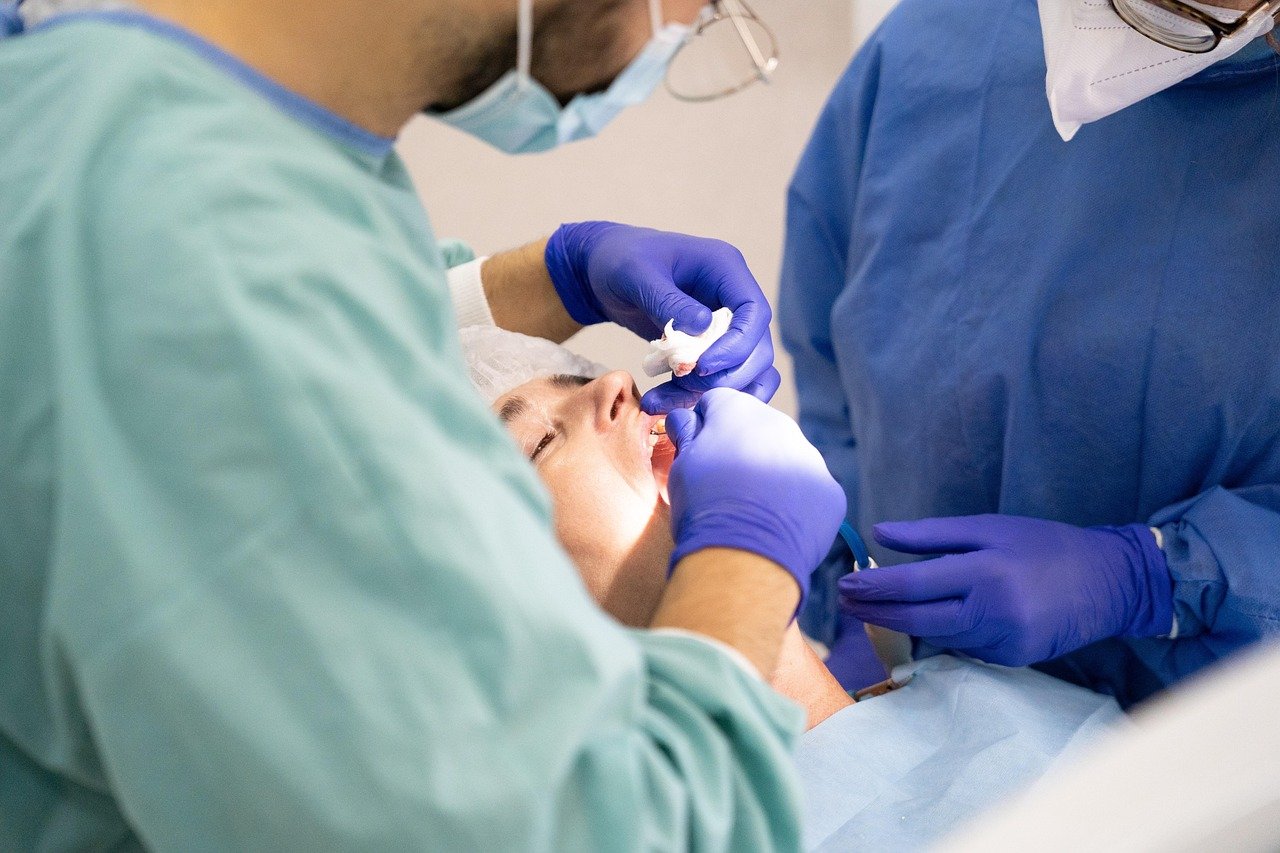
Even with a meticulous oral hygiene routine, regular dental checkups are essential for maintaining optimal oral health.
- Professional Cleaning: Dental hygienists can remove plaque and tartar (hardened plaque) that you cannot remove at home.
- Early Detection: Dentists can detect early signs of cavities, gum disease, and other oral health problems before they become more serious.
- Oral Cancer Screening: Dentists perform oral cancer screenings during routine checkups. Early detection of oral cancer is crucial for successful treatment.
- Personalized Advice: Your dentist can provide personalized advice on improving your oral hygiene routine and addressing any specific concerns you may have.
How Often to Visit Your Dentist
Most dentists recommend visiting every six months for a routine checkup and cleaning. However, your dentist may recommend more frequent visits if you have a higher risk of cavities or gum disease.
Specialized Needs: Tailoring Your Routine
Braces
Individuals with braces require extra attention to oral hygiene. Special tools and techniques are often necessary:
- Orthodontic Toothbrush: This brush has a special bristle pattern to clean around brackets and wires.
- Interdental Brush: Used to clean between brackets and wires.
- Floss Threaders: These help you thread floss under wires.
- Water Flosser: Excellent for removing food particles around brackets.
Dentures
Dentures also require specific care:
- Daily Cleaning: Clean dentures daily with a denture brush and denture cleaner. Avoid using regular toothpaste, as it can be abrasive.
- Soaking: Soak dentures overnight in denture cleaner to keep them moist and prevent warping.
- Gum Care: Brush your gums and tongue daily to remove bacteria.
Other Considerations
- Dry Mouth: Use alcohol-free mouthwash, drink plenty of water, and consider saliva substitutes.
- Sensitive Teeth: Use toothpaste formulated for sensitive teeth and avoid abrasive brushing.
- Gum Disease: Follow your dentist’s recommendations for treating gum disease, which may include scaling and root planing (deep cleaning).
Conclusion
Maintaining a comprehensive oral hygiene routine is an investment in your overall health and well-being. By following the steps outlined in this guide – brushing effectively, flossing diligently, rinsing with mouthwash, maintaining a healthy diet, and attending regular dental checkups – you can keep your smile bright and healthy for years to come. Remember to personalize your routine based on your individual needs and consult with your dentist for tailored advice. A proactive approach to oral hygiene will not only enhance your smile but also contribute to a healthier and happier you.