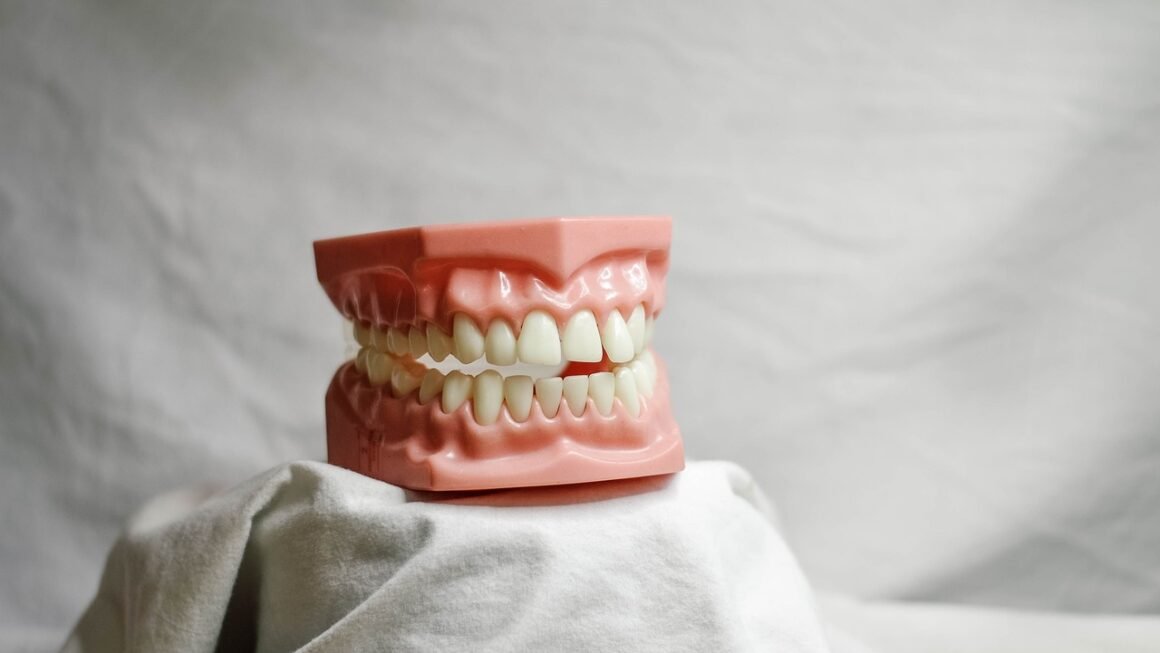
Maintaining excellent dental hygiene is paramount to a healthy, happy smile and overall well-being. It’s not just about a sparkling grin; proper oral care prevents tooth decay, gum disease, and even impacts your general health. This guide provides a comprehensive overview of dental hygiene maintenance, offering practical tips and advice for achieving and sustaining a healthy mouth.
Brushing: The Foundation of a Clean Mouth
Brushing your teeth is the cornerstone of any effective dental hygiene routine. It removes plaque and food particles that contribute to cavities and gum disease.
Choosing the Right Brush
- Soft-bristled brushes are best: They are gentle on your gums and enamel, preventing irritation and damage.
- Consider an electric toothbrush: Electric toothbrushes can be more effective at removing plaque due to their oscillating or rotating movements. Look for models with a built-in timer to ensure you brush for the recommended two minutes.
- Replace your toothbrush regularly: Every three months, or sooner if the bristles are frayed. A worn toothbrush is less effective at cleaning.
Mastering the Brushing Technique
- Use fluoride toothpaste: Fluoride strengthens tooth enamel, making it more resistant to acid attacks from plaque.
- Brush at a 45-degree angle: Position the toothbrush at a 45-degree angle to your gumline, gently brushing back and forth with short, tooth-wide strokes.
- Don’t forget the tongue: Brushing your tongue removes bacteria and freshens breath.
- Brush for two minutes: Most people don’t brush long enough. Set a timer or use an electric toothbrush with a built-in timer to ensure you reach the two-minute mark.
Frequency Matters
- Brush at least twice a day: Once in the morning and once before bed. Brushing before bed is especially important, as saliva production decreases overnight, making your mouth more vulnerable to bacterial growth.
- Consider brushing after meals: If you have highly acidic or sugary foods, brushing after meals can help prevent enamel erosion. Wait at least 30 minutes after eating to avoid damaging softened enamel.
Flossing: Reaching the Unreachable
Flossing complements brushing by removing plaque and food particles from between your teeth and under the gumline, areas that a toothbrush cannot reach.
Types of Floss
- Waxed vs. Unwaxed: Waxed floss slides more easily between tight teeth, while unwaxed floss can sometimes be more effective at scraping away plaque. Experiment to see which you prefer.
- Floss picks: These are pre-threaded floss holders that can be easier to use, especially for those with limited dexterity.
- Interdental brushes: These small brushes are designed to clean between teeth and are especially useful for people with braces or wide gaps.
Proper Flossing Technique
- Use about 18 inches of floss: Wind most of the floss around your middle fingers, leaving a few inches to work with.
- Gently guide the floss between your teeth: Use a sawing motion to avoid snapping the floss against your gums.
- Curve the floss into a “C” shape: Wrap the floss around each tooth, going below the gumline.
- Use a clean section of floss for each tooth: This prevents the spread of bacteria.
When to Floss
- Floss at least once a day: Many dentists recommend flossing before brushing to loosen plaque and food particles, allowing the toothbrush to remove them more effectively.
- Floss after meals: If you feel food stuck between your teeth, flossing after meals can help prevent plaque buildup.
Mouthwash: An Added Layer of Protection
Mouthwash can provide additional benefits, such as killing bacteria, reducing plaque, and freshening breath.
Types of Mouthwash
- Fluoride mouthwash: Helps strengthen tooth enamel and prevent cavities.
- Antiseptic mouthwash: Kills bacteria and reduces plaque.
- Cosmetic mouthwash: Freshens breath and may temporarily reduce plaque, but does not provide the same long-term benefits as antiseptic mouthwashes.
Using Mouthwash Effectively
- Rinse for 30 seconds: Swish the mouthwash vigorously around your mouth for 30 seconds.
- Do not swallow: Spit out the mouthwash after rinsing.
- Avoid eating or drinking for 30 minutes: This allows the mouthwash to work effectively.
Choosing the Right Mouthwash
- Look for ADA approval: The American Dental Association (ADA) seal indicates that the mouthwash has been tested and proven safe and effective.
- Consider your needs: If you have specific concerns, such as gingivitis or dry mouth, choose a mouthwash that addresses those issues. For example, if you are susceptible to cavities, choose a mouthwash with fluoride.
- Consult your dentist: They can recommend the best mouthwash for your individual needs.
Professional Dental Cleanings: A Must-Have
Even with diligent home care, professional dental cleanings are essential for maintaining optimal oral health. Dentists and dental hygienists have the tools and expertise to remove stubborn plaque and tartar buildup that you can’t remove at home.
What to Expect During a Dental Cleaning
- Examination: Your dentist or hygienist will examine your teeth and gums for signs of decay, gum disease, and other oral health problems.
- Scaling: This involves removing plaque and tartar from above and below the gumline using specialized instruments.
- Polishing: Polishing removes surface stains and smooths the teeth, making it harder for plaque to adhere.
- Fluoride treatment: A fluoride treatment strengthens tooth enamel and helps prevent cavities.
Frequency of Cleanings
- Typically every six months: Most people benefit from professional dental cleanings every six months.
- More frequent cleanings may be needed: If you have gum disease or other oral health problems, your dentist may recommend more frequent cleanings, such as every three or four months.
The Importance of Regular Checkups
- Early detection: Regular dental checkups allow your dentist to detect and treat oral health problems early, when they are easier and less expensive to treat.
- Personalized advice: Your dentist can provide personalized advice on how to improve your oral hygiene and address any specific concerns you may have.
- Professional cleaning: Regular cleanings remove plaque and tartar that you can’t remove at home, helping to prevent cavities and gum disease.
Diet and Oral Health: The Connection
What you eat and drink significantly impacts your oral health. Sugary and acidic foods and beverages can erode tooth enamel and contribute to cavities.
Foods to Limit or Avoid
- Sugary drinks: Soda, juice, and sports drinks are high in sugar, which feeds bacteria in your mouth and produces acid that erodes tooth enamel.
- Candy and sweets: Hard candies, caramels, and other sticky sweets stay in your mouth for a long time, providing a constant source of sugar for bacteria.
- Acidic foods and drinks: Citrus fruits, tomatoes, vinegar, and other acidic foods and drinks can erode tooth enamel.
- Starchy foods: Potato chips, crackers, and other starchy foods can stick to your teeth and break down into sugar, contributing to cavities.
Foods to Promote Oral Health
- Water: Water helps rinse away food particles and bacteria, and it also stimulates saliva production, which helps neutralize acids and protect tooth enamel.
- Fruits and vegetables: These are rich in vitamins and minerals that are essential for healthy teeth and gums. Chewing crunchy fruits and vegetables, such as apples and carrots, also helps clean your teeth.
- Dairy products: Milk, cheese, and yogurt are rich in calcium and phosphorus, which are essential for strong teeth. They also help neutralize acids in your mouth.
- Nuts and seeds: These are rich in protein and healthy fats, which are important for overall health. Chewing nuts and seeds can also help stimulate saliva production and clean your teeth.
Tips for a Healthy Diet
- Limit sugary and acidic foods and drinks.
- Drink plenty of water.
- Eat a balanced diet that includes fruits, vegetables, dairy products, and nuts and seeds.
- Chew sugar-free gum after meals to stimulate saliva production.
Conclusion
Maintaining excellent dental hygiene requires a consistent and comprehensive approach. By incorporating these brushing, flossing, and mouthwash techniques into your daily routine, attending regular dental checkups, and making smart dietary choices, you can protect your teeth and gums, prevent oral health problems, and enjoy a healthy, beautiful smile for years to come. Remember that good oral hygiene is not just about aesthetics; it’s an investment in your overall health and well-being.