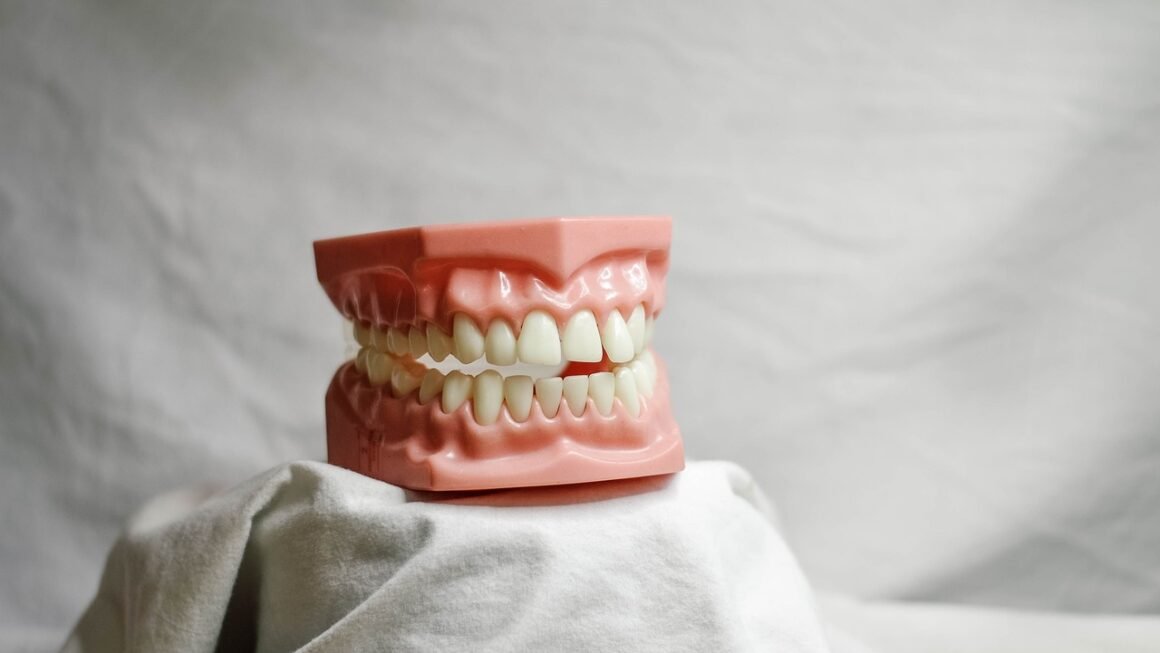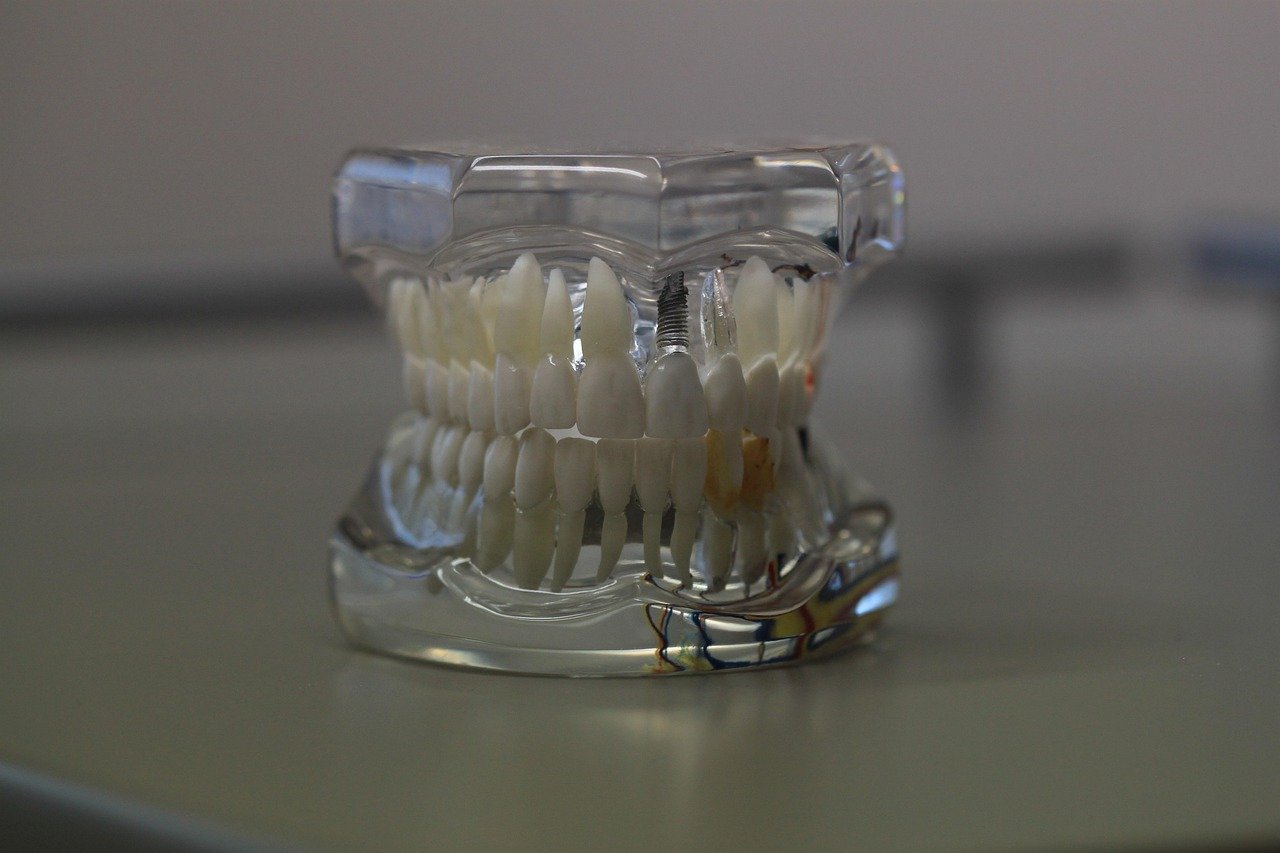
Imagine a simple act, performed twice daily, holding the key to not just a brighter smile, but also better overall health. We’re talking about tooth brushing, a cornerstone of oral hygiene that often gets taken for granted. But are you truly maximizing its benefits? This guide delves into the art and science of effective tooth brushing, offering insights and practical tips to help you achieve optimal oral health.
Why Tooth Brushing is Essential
Preventing Tooth Decay and Cavities
- Plaque Formation: Plaque, a sticky film of bacteria, constantly forms on our teeth. These bacteria feed on sugars and starches, producing acids that erode tooth enamel, leading to cavities.
- The Role of Fluoride: Toothpaste containing fluoride strengthens enamel and makes it more resistant to acid attacks. It can even reverse early signs of decay.
- Statistics: According to the World Health Organization, dental caries (tooth decay) is one of the most prevalent chronic diseases globally. Regular tooth brushing significantly reduces your risk.
Preventing Gum Disease (Gingivitis and Periodontitis)
- Inflammation and Infection: Plaque and tartar buildup can irritate and inflame the gums, leading to gingivitis (early gum disease). If left untreated, it can progress to periodontitis, a more severe form that damages the bone and tissues supporting the teeth, potentially leading to tooth loss.
- Brushing Technique: Proper brushing removes plaque and bacteria from the gumline, preventing inflammation and maintaining healthy gums.
- Example: Bleeding gums during brushing is often an early sign of gingivitis. Consistent and effective brushing can often reverse this condition.
Freshening Breath
- Bacteria and Odor: Bacteria in the mouth produce volatile sulfur compounds, which are a major cause of bad breath (halitosis).
- Tongue Cleaning: Brushing or scraping the tongue removes bacteria and food debris, contributing to fresher breath.
- Practical Tip: After brushing your teeth, spend a few seconds brushing your tongue from back to front to remove bacteria and freshen your breath.
Choosing the Right Toothbrush and Toothpaste
Toothbrush Selection
- Soft Bristles: Opt for a toothbrush with soft bristles to avoid damaging enamel and gums. Medium and hard bristles can be too abrasive.
- Size and Shape: Choose a brush head that allows you to reach all areas of your mouth comfortably. Smaller heads are often preferred for easier access to back teeth.
- Electric vs. Manual: Both electric and manual toothbrushes can effectively clean teeth. Electric toothbrushes often have features like timers and pressure sensors, which can help improve brushing technique.
- Replacement: Replace your toothbrush every three months, or sooner if the bristles are frayed or worn. Frayed bristles are less effective at cleaning and can harbor bacteria.
Toothpaste Selection
- Fluoride Content: Ensure your toothpaste contains fluoride (typically 1350-1500 ppm).
- Specific Needs: Choose toothpaste based on your individual needs, such as:
Sensitive Teeth: Toothpaste containing potassium nitrate or stannous fluoride.
Whitening: Toothpaste containing mild abrasives or peroxide. Use these sparingly as overuse can damage enamel.
Tartar Control: Toothpaste containing pyrophosphates.
- Avoiding Harmful Ingredients: Avoid toothpastes with potentially harmful ingredients like triclosan or sodium lauryl sulfate (SLS) if you have sensitivity.
The Correct Tooth Brushing Technique
The Bass Technique
- Angle the Brush: Hold the toothbrush at a 45-degree angle to the gumline.
- Gentle Circular Motions: Use small, gentle circular motions to clean each tooth.
- Brush All Surfaces: Brush the outer, inner, and chewing surfaces of each tooth.
- Example: Imagine gently massaging your gums while brushing. This helps stimulate blood flow and remove plaque.
The Modified Stillman Technique
- Positioning: Place the bristles at a 45-degree angle to the tooth surface and against the gumline.
- Vibrating Motion: Apply light pressure and vibrate the brush, then roll the brush down (for upper teeth) or up (for lower teeth) from the gumline.
- Benefits: Helps stimulate and massage the gums while cleaning the teeth.
Important Considerations
- Time: Brush for at least two minutes each time. Use a timer or an electric toothbrush with a built-in timer.
- Pressure: Avoid applying excessive pressure, as it can damage enamel and gums. Let the bristles do the work.
- Consistency: Brush at least twice a day, ideally after meals. Pay particular attention to brushing before bed.
- Actionable Tip: Divide your mouth into quadrants (upper right, upper left, lower right, lower left) and spend 30 seconds on each quadrant.
Beyond Brushing: Complementary Oral Hygiene Practices
Flossing
- Removing Plaque Between Teeth: Flossing removes plaque and food particles from between teeth, where a toothbrush cannot reach.
- Technique: Use about 18 inches of floss and gently guide it between each tooth, using a sawing motion. Curve the floss around each tooth in a “C” shape and clean below the gumline.
- Frequency: Floss at least once a day, preferably before brushing.
Mouthwash
- Rinsing Away Debris: Mouthwash can help rinse away loose debris and freshen breath.
- Types: Choose a mouthwash based on your needs:
Fluoride Mouthwash: Helps strengthen enamel.
* Antiseptic Mouthwash: Contains ingredients like chlorhexidine or cetylpyridinium chloride (CPC) to kill bacteria. Use these as directed by your dentist, as long-term use can cause staining.
- Usage: Rinse with mouthwash after brushing and flossing. Avoid eating or drinking for 30 minutes after using mouthwash.
Tongue Scraping
- Removing Bacteria: A tongue scraper removes bacteria and debris from the surface of the tongue, contributing to fresher breath and improved oral hygiene.
- Technique: Gently scrape the tongue from back to front, rinsing the scraper after each pass.
Conclusion
Effective tooth brushing is far more than just a routine – it’s a vital investment in your overall health and well-being. By understanding the importance of proper technique, selecting the right tools, and incorporating complementary practices like flossing and mouthwash, you can significantly reduce your risk of tooth decay, gum disease, and bad breath. Make tooth brushing a priority, and your smile will thank you for it!