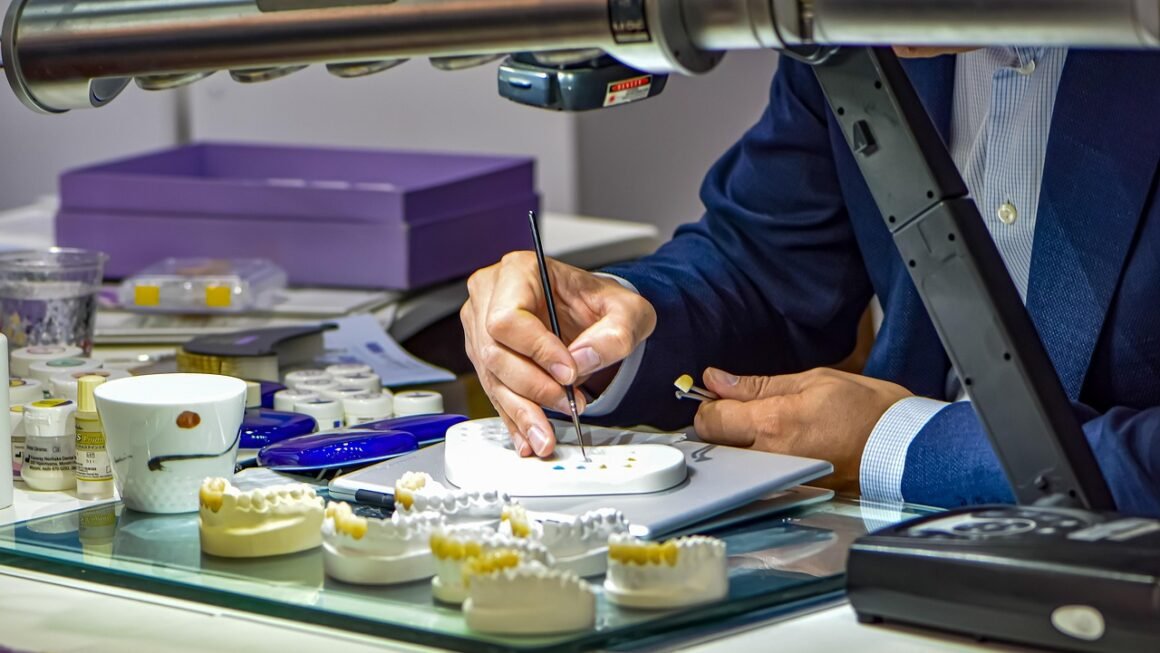
Want a brighter, more confident smile? Teeth whitening has become a popular and effective way to achieve just that. From over-the-counter options to professional dental treatments, there’s a whitening solution for almost everyone. This guide dives deep into the world of teeth whitening, providing tips and tricks to help you achieve the dazzling smile you’ve always wanted, while also keeping your teeth healthy and strong.
Understanding Teeth Whitening
What Causes Tooth Discoloration?
Tooth discoloration is a common concern, and understanding its causes is the first step towards effective whitening. Several factors contribute to stained or yellowing teeth:
- Food and Drinks: Coffee, tea, red wine, and dark-colored foods like berries can stain your teeth over time.
- Tobacco Use: Smoking or chewing tobacco is a major culprit, leading to stubborn staining.
- Poor Oral Hygiene: Inadequate brushing and flossing allow plaque and tartar to accumulate, leading to discoloration.
- Age: As we age, the outer enamel layer of our teeth thins, revealing the yellower dentin underneath.
- Medications: Certain medications, such as tetracycline antibiotics, can cause tooth discoloration.
- Genetics: Some people are simply predisposed to having teeth that are more prone to staining.
Types of Teeth Whitening Treatments
Several teeth whitening options are available, each with its own advantages and disadvantages:
- Over-the-Counter (OTC) Whitening Products: These include whitening toothpastes, whitening strips, and whitening mouthwashes. They are readily available and relatively inexpensive but often provide less dramatic results than professional treatments.
- At-Home Whitening Kits (Dentist-Dispensed): These kits, provided by your dentist, contain custom-fitted trays and a whitening gel with a higher concentration of peroxide than OTC products. This allows for more effective and controlled whitening.
- In-Office Whitening (Professional Whitening): Performed by a dentist, this is the most effective and fastest way to whiten teeth. It typically involves using a high concentration of peroxide gel activated by a special light or laser. A single session can often produce noticeable results.
Effective At-Home Teeth Whitening Tips
Choosing the Right Over-the-Counter Products
Selecting the right over-the-counter (OTC) whitening product is crucial for achieving the best possible results. Consider the following:
- Whitening Toothpastes: Look for toothpastes that contain ingredients like hydrated silica or baking soda. These are mildly abrasive and help remove surface stains. Be aware that these toothpastes primarily remove stains and don’t actually bleach the teeth.
Example: Consider using a whitening toothpaste twice a day to help maintain whiteness after a professional treatment.
- Whitening Strips: These strips contain a thin layer of peroxide gel that adheres to your teeth. Follow the instructions carefully and avoid leaving them on for longer than recommended, as this can cause sensitivity.
Example: Crest 3D White Whitestrips are a popular option.
- Whitening Mouthwashes: These mouthwashes typically contain hydrogen peroxide, which helps to whiten teeth over time. However, they are often less effective than whitening strips or toothpastes.
Example: Use a whitening mouthwash after brushing to enhance the whitening effect.
Safe Usage of Whitening Products
Using teeth whitening products safely is essential to avoid potential side effects.
- Follow Instructions Carefully: Always read and follow the instructions provided with the whitening product.
- Avoid Overuse: Overusing whitening products can lead to tooth sensitivity and gum irritation. Stick to the recommended usage frequency and duration.
- Protect Your Gums: If using whitening strips or trays, ensure they fit properly to avoid exposing your gums to the whitening gel.
- Consult Your Dentist: If you experience significant tooth sensitivity or gum irritation, stop using the product and consult your dentist.
Professional Teeth Whitening Options
Benefits of In-Office Whitening
In-office whitening, performed by a dental professional, offers several advantages:
- Faster Results: Professional whitening can achieve dramatic results in just one or two sessions.
- Higher Concentration of Whitening Agents: Dentists use stronger whitening gels than those available over the counter, leading to more effective whitening.
- Customized Treatment: Dentists can tailor the whitening treatment to your individual needs and sensitivities.
- Protection for Gums and Soft Tissues: Dentists use protective barriers to shield your gums and soft tissues from the whitening gel, minimizing the risk of irritation.
Understanding the Procedure
The in-office whitening procedure typically involves the following steps:
Maintaining Your Whitened Smile
Diet and Lifestyle Changes
To prolong the effects of teeth whitening, consider making the following changes to your diet and lifestyle:
- Limit Staining Foods and Drinks: Reduce your consumption of coffee, tea, red wine, and dark-colored foods.
- Use a Straw: When drinking staining beverages, use a straw to minimize contact with your teeth.
- Rinse After Eating or Drinking: Rinse your mouth with water after consuming staining foods or drinks.
- Quit Smoking: Smoking is a major cause of tooth discoloration, so quitting is one of the best things you can do for your smile.
Oral Hygiene Best Practices
Maintaining good oral hygiene is essential for keeping your teeth white and healthy.
- Brush Twice Daily: Brush your teeth for at least two minutes, twice a day, using a fluoride toothpaste.
- Floss Daily: Floss daily to remove plaque and food particles from between your teeth.
- Regular Dental Checkups: Visit your dentist for regular checkups and cleanings to remove plaque and tartar buildup.
- Use a Whitening Toothpaste: Incorporate a whitening toothpaste into your daily routine to help remove surface stains.
Addressing Tooth Sensitivity
Causes of Sensitivity
Tooth sensitivity is a common side effect of teeth whitening, often caused by:
- Dehydration of Teeth: Whitening agents can temporarily dehydrate the teeth, leading to increased sensitivity.
- Enamel Damage: Overuse of whitening products can damage the enamel, exposing the underlying dentin.
- Gum Recession: Receding gums can expose the roots of the teeth, which are more sensitive.
Management and Prevention
To manage and prevent tooth sensitivity during teeth whitening:
- Use a Desensitizing Toothpaste: Use a toothpaste containing potassium nitrate or stannous fluoride. These ingredients help to block pain signals and reduce sensitivity.
Example: Sensodyne is a popular brand of desensitizing toothpaste.
- Reduce Whitening Frequency: If you experience sensitivity, reduce the frequency of your whitening treatments.
- Use Shorter Whitening Sessions: Shorten the duration of each whitening session.
- Avoid Hot and Cold Foods and Drinks: Avoid consuming very hot or cold foods and drinks, as these can trigger sensitivity.
- Consult Your Dentist: If sensitivity persists, consult your dentist. They may recommend a fluoride treatment or other measures to help alleviate your discomfort.
Conclusion
Achieving a brighter, whiter smile is within reach with the right knowledge and approach. Whether you opt for over-the-counter products, dentist-dispensed kits, or professional in-office treatments, understanding the causes of tooth discoloration, the various whitening options, and the importance of maintaining good oral hygiene is paramount. By following the tips and advice provided in this guide, you can confidently embark on your teeth whitening journey, achieving a smile that not only looks great but also reflects a commitment to your overall dental health. Remember to always consult with your dentist before starting any new whitening regimen, especially if you have existing dental conditions or concerns. A dazzling smile awaits!