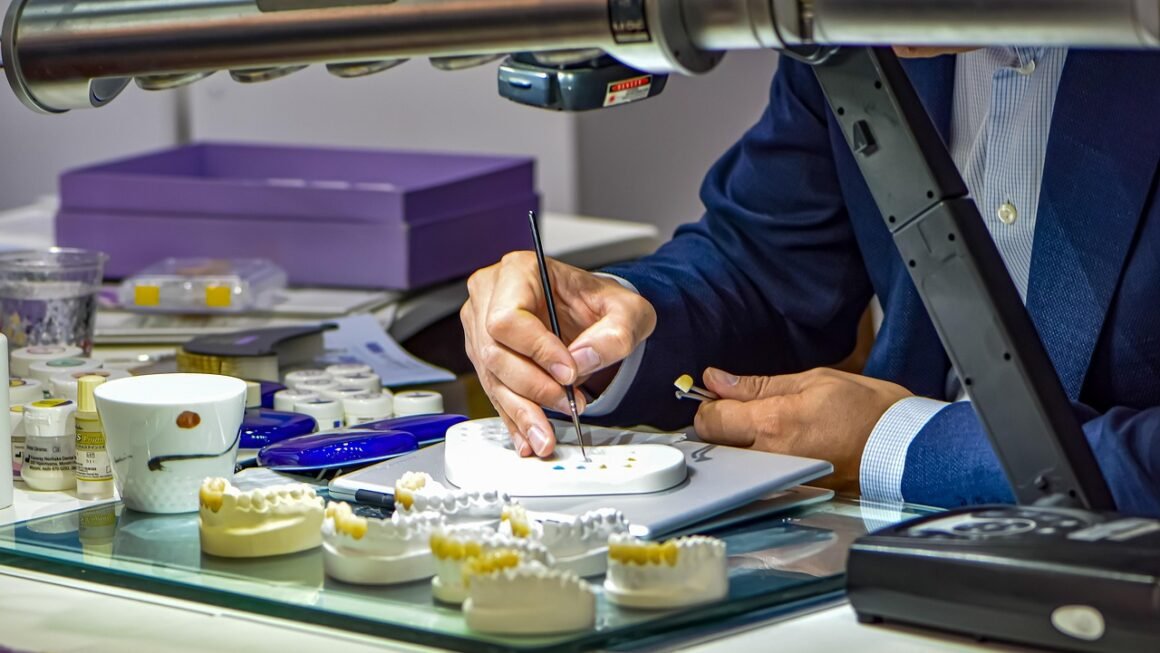
Achieving a brighter, whiter smile is a desire shared by many. However, navigating the world of teeth whitening can feel overwhelming, with countless products and procedures promising dramatic results. It’s crucial to approach teeth whitening safely and effectively to protect your enamel and oral health. This guide will explore the various teeth whitening options available, offering insights into safe practices and helping you make informed decisions for a radiant, healthy smile.
Understanding Teeth Whitening
What Causes Teeth Discoloration?
Before diving into whitening options, understanding the causes of teeth discoloration is essential. Several factors can contribute to a dull or stained smile:
- Diet and Lifestyle: Coffee, tea, red wine, and dark-colored foods can stain teeth over time. Smoking is another significant culprit.
- Poor Oral Hygiene: Inadequate brushing and flossing allow plaque and tartar to build up, leading to discoloration.
- Age: As we age, the outer layer of enamel thins, revealing the yellowish dentin underneath.
- Medications: Certain medications, such as tetracycline antibiotics, can cause intrinsic staining (staining from within the tooth).
- Trauma: Injury to a tooth can disrupt its internal structure and lead to discoloration.
Identifying the cause of your discoloration will help determine the most effective whitening treatment.
Intrinsic vs. Extrinsic Stains
Distinguishing between intrinsic and extrinsic stains is also important. Extrinsic stains are on the surface of the tooth and are typically caused by diet and lifestyle. Intrinsic stains, on the other hand, are within the tooth structure and are often more difficult to remove.
- Extrinsic Stains: These stains are typically responsive to over-the-counter whitening products and professional cleanings.
- Intrinsic Stains: These stains often require professional whitening treatments, such as those performed by a dentist, for noticeable improvement.
Professional evaluation can determine the type of staining and guide treatment selection.
Safe Teeth Whitening Methods
Professional Teeth Whitening
Professional teeth whitening, performed by a dentist, is generally considered the safest and most effective method. Dentists use high concentrations of whitening agents and can protect your gums and soft tissues from irritation.
- In-Office Whitening: This involves applying a high-concentration hydrogen peroxide gel to the teeth, often activated by a special light or laser. Results are typically visible in one or two appointments.
- Custom Tray Whitening: Your dentist will create custom-fitted trays and provide you with a whitening gel to use at home. This allows for gradual whitening and precise control over the results.
Example: A patient with significant staining might benefit from in-office whitening followed by custom tray whitening for maintenance. This approach provides both immediate and long-lasting results.
Over-the-Counter Whitening Products
Over-the-counter (OTC) whitening products are readily available but contain lower concentrations of whitening agents than professional treatments. While they can provide some whitening, it’s crucial to use them carefully and according to the instructions.
- Whitening Toothpastes: These toothpastes contain abrasive ingredients that help remove surface stains. While they can brighten teeth slightly, they won’t significantly change the color of your teeth.
- Whitening Strips: These strips contain a thin layer of whitening gel that adheres to the teeth. They are relatively easy to use and can provide noticeable results with consistent use.
- Whitening Gels and Trays: Similar to custom tray whitening, these kits include generic trays and whitening gel. However, the trays may not fit as well as custom trays, potentially leading to uneven whitening or gum irritation.
Caution: Overuse of OTC whitening products can damage enamel and cause tooth sensitivity. Always follow the product instructions carefully and consult with your dentist if you experience any adverse effects.
Natural Teeth Whitening Remedies
Many natural remedies are touted for their teeth-whitening properties, but their effectiveness and safety can vary. It’s important to approach these remedies with caution and consult with your dentist before trying them.
- Baking Soda: Baking soda is a mild abrasive that can help remove surface stains. However, excessive use can erode enamel.
- Activated Charcoal: Activated charcoal is a popular trend, but its effectiveness and safety are still debated. It may help remove surface stains, but it can also be abrasive.
- Fruit Acids: Some fruits, such as lemons and strawberries, contain acids that can lighten teeth. However, these acids can also erode enamel, so use them sparingly and rinse thoroughly afterwards.
Recommendation: While natural remedies may offer some benefits, they are generally less effective than professional or OTC whitening products. Prioritize safe and proven methods to protect your enamel.
Maintaining Your Whitened Smile
Proper Oral Hygiene
Maintaining good oral hygiene is essential for preserving your whiter smile. This includes:
- Brushing twice daily: Use a soft-bristled toothbrush and fluoride toothpaste to remove plaque and prevent stains.
- Flossing daily: Flossing removes plaque and food particles from between your teeth, preventing staining and gum disease.
- Regular dental checkups: Visit your dentist for regular cleanings and checkups to remove stubborn stains and address any oral health issues.
Actionable Tip: Consider using a whitening toothpaste or mouthwash to help maintain your results after professional whitening.
Diet and Lifestyle Adjustments
Making dietary and lifestyle adjustments can also help prevent future staining:
- Limit stain-causing foods and beverages: Reduce your consumption of coffee, tea, red wine, and dark-colored foods.
- Rinse after consuming staining substances: Rinse your mouth with water after eating or drinking stain-causing substances to minimize contact with your teeth.
- Avoid smoking: Smoking is a major cause of teeth discoloration and other oral health problems. Quitting smoking will significantly improve the appearance of your smile.
Example: Switch from coffee to green tea, which has fewer staining properties and provides antioxidants.
Touch-Up Treatments
Even with proper maintenance, your teeth may gradually darken over time. Consider touch-up treatments to maintain your desired level of whiteness.
- Professional touch-ups: Schedule occasional in-office whitening treatments to brighten your smile.
- At-home touch-ups: Use custom tray whitening or OTC whitening strips as needed to maintain your results.
Frequency: The frequency of touch-up treatments will vary depending on your individual habits and preferences. Consult with your dentist to determine the best schedule for you.
Potential Risks and Side Effects
Tooth Sensitivity
Tooth sensitivity is a common side effect of teeth whitening, especially with higher concentrations of whitening agents. This sensitivity is usually temporary and can be managed with desensitizing toothpaste or fluoride treatments.
- Desensitizing Toothpaste: Use toothpaste specifically formulated for sensitive teeth to help block pain signals.
- Fluoride Treatments: Fluoride strengthens enamel and reduces sensitivity. Your dentist can provide fluoride treatments or prescribe fluoride mouthwash.
Prevention: Use a lower concentration of whitening agent or reduce the duration of each treatment to minimize sensitivity.
Gum Irritation
Gum irritation can occur if the whitening agent comes into contact with your gums. This is more common with ill-fitting trays or improper application of whitening strips.
- Proper Tray Fit: Ensure that your whitening trays fit properly to prevent gel from leaking onto your gums.
- Careful Application: Apply whitening strips carefully, avoiding contact with your gums.
- Rinse Thoroughly: Rinse your mouth thoroughly after each whitening treatment to remove any residual gel.
Treatment: If you experience gum irritation, discontinue whitening and consult with your dentist.
Enamel Damage
Overuse or misuse of whitening products can damage enamel, making teeth more susceptible to decay and sensitivity. It’s crucial to follow the product instructions carefully and avoid over-whitening.
- Follow Instructions: Adhere to the recommended treatment duration and frequency.
- Avoid Over-Whitening: Do not try to achieve unrealistic results in a short period of time.
- Consult with Your Dentist: Talk to your dentist about the best whitening options for your teeth and oral health.
Important Note: Always consult with your dentist before starting any teeth whitening regimen, especially if you have existing dental problems such as cavities or gum disease.
Conclusion
Achieving a whiter, brighter smile is possible with safe and effective teeth whitening practices. By understanding the causes of tooth discoloration, exploring the various whitening options available, and prioritizing proper oral hygiene, you can achieve your desired results while protecting your enamel and oral health. Remember to consult with your dentist to determine the best whitening approach for your individual needs and to address any concerns or potential risks. With the right knowledge and care, you can confidently brighten your smile and enjoy the benefits of a healthy, radiant appearance.