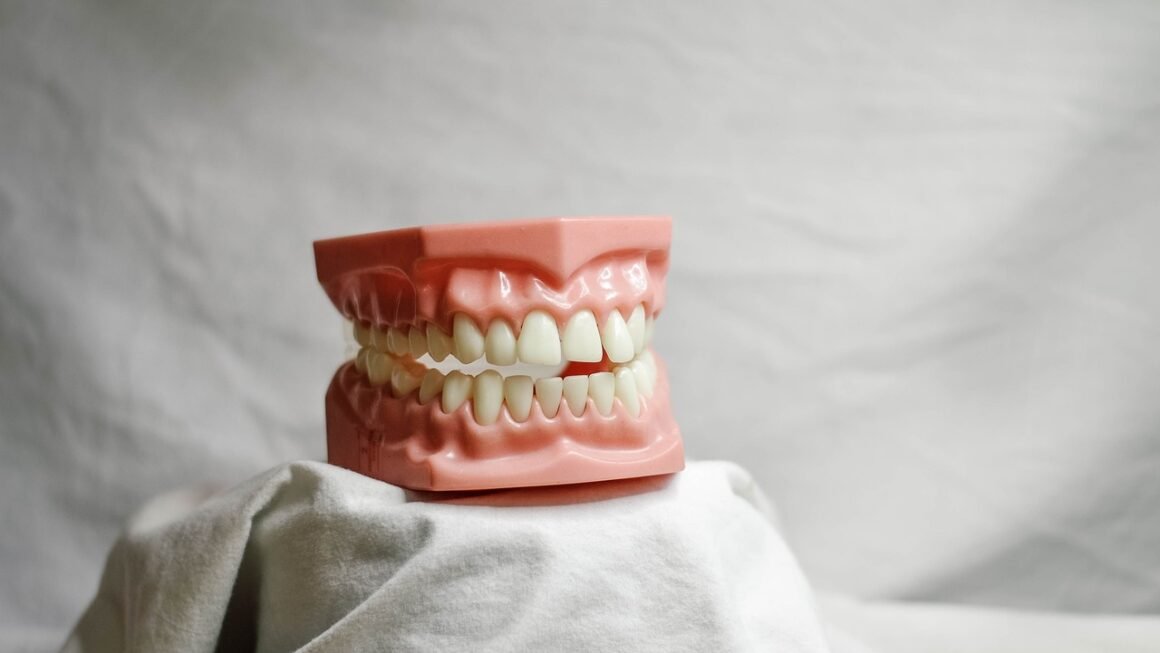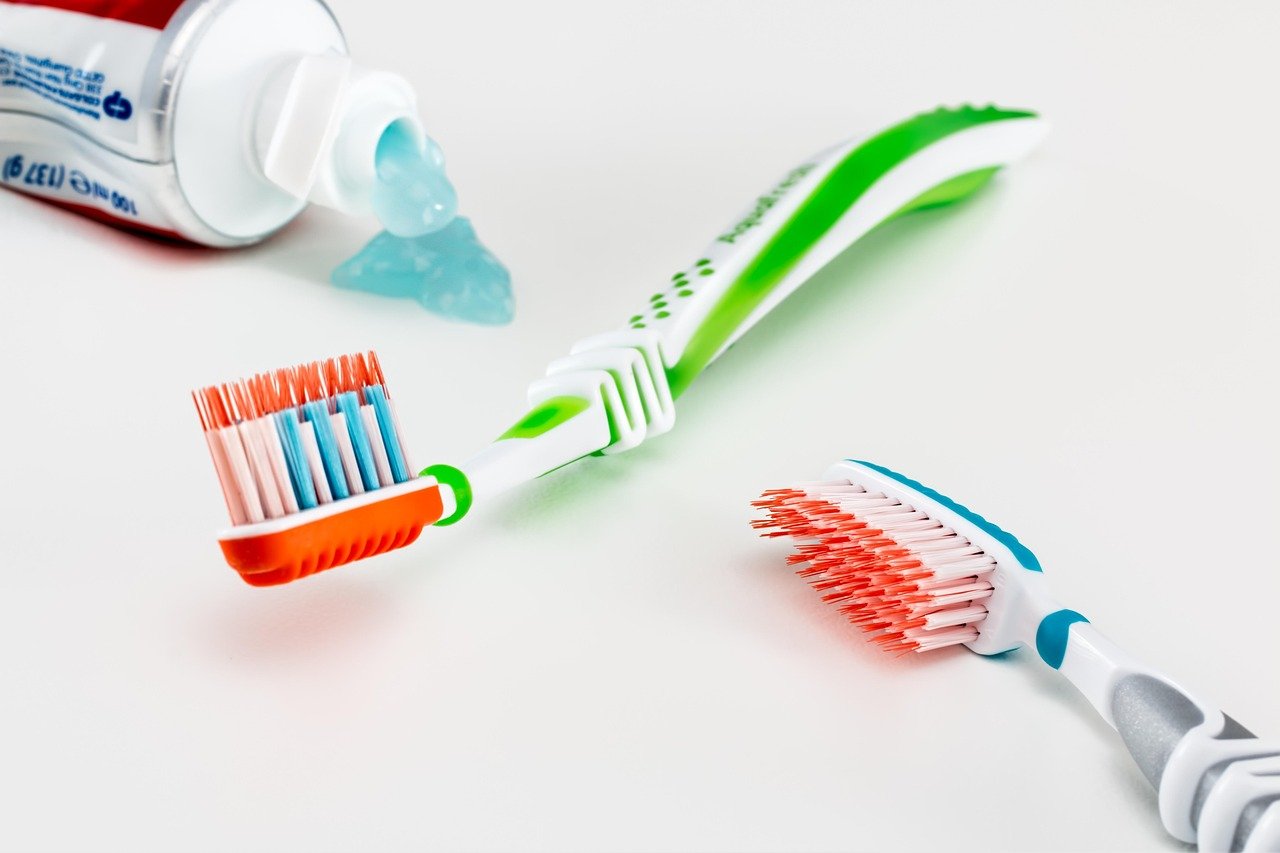
Maintaining a healthy smile goes beyond just aesthetics; it’s crucial for your overall well-being. Proper dental hygiene is a cornerstone of preventing cavities, gum disease, and other oral health issues. This comprehensive guide provides actionable tips and insights to help you achieve and maintain optimal dental health, contributing to a brighter, healthier you.
The Importance of Brushing: Your Daily Defense
Brushing is the foundation of good oral hygiene, effectively removing plaque and food particles that contribute to tooth decay and gum disease. Making sure you brush effectively is just as important as brushing frequently.
Mastering the Technique
- Angle Matters: Hold your toothbrush at a 45-degree angle to your gums. This allows the bristles to reach under the gumline, where plaque tends to accumulate.
- Gentle Circular Motions: Use gentle, circular motions to clean each tooth. Avoid scrubbing vigorously, as this can erode enamel and damage your gums.
- Dedicated Time: Brush for at least two minutes, ensuring you cover all surfaces of each tooth. A helpful tip is to divide your mouth into quadrants and spend 30 seconds on each.
- The Right Brush: Opt for a soft-bristled toothbrush. Medium or hard bristles can be too abrasive and damage your teeth and gums. Consider an electric toothbrush for added cleaning power. Many electric toothbrushes have built-in timers to ensure you brush for the recommended two minutes.
- Replace Regularly: Replace your toothbrush every three months, or sooner if the bristles are frayed. A worn toothbrush is less effective at removing plaque.
Choosing the Right Toothpaste
- Fluoride is Key: Select a toothpaste that contains fluoride. Fluoride strengthens tooth enamel and helps prevent cavities.
- Consider Your Needs: If you have sensitive teeth, choose a toothpaste formulated for sensitivity. If you’re concerned about whitening, look for a toothpaste with gentle whitening agents.
- Avoid Abrasive Pastes: Highly abrasive toothpastes can damage enamel, especially if you brush vigorously.
The Power of Flossing: Reaching Where Your Brush Can’t
Flossing complements brushing by removing plaque and food particles from between your teeth and under the gumline, areas that your toothbrush can’t reach. Neglecting flossing can lead to gum disease and cavities.
The Correct Flossing Method
- Plenty of Floss: Use about 18 inches of floss, wrapping it around your middle fingers, leaving a few inches to work with.
- Gentle Guidance: Gently guide the floss between your teeth using a sawing motion. Avoid snapping the floss against your gums.
- Curving the Floss: Curve the floss into a “C” shape around each tooth, making sure to go below the gumline. Gently move the floss up and down to remove plaque and debris.
- Fresh Section for Each Tooth: Use a clean section of floss for each tooth to avoid spreading bacteria.
Alternative Flossing Tools
- Floss Picks: Pre-threaded floss picks are a convenient alternative to traditional floss, especially for people with limited dexterity.
- Interdental Brushes: These small brushes are designed to clean between teeth, especially helpful for people with larger gaps or braces.
Diet and Dental Health: You Are What You Eat
What you eat and drink significantly impacts your dental health. Sugary and acidic foods and beverages can erode enamel and contribute to tooth decay.
Foods to Limit or Avoid
- Sugary Drinks: Soda, juice, and sports drinks are high in sugar, which feeds bacteria in your mouth and leads to acid production, causing cavities.
- Sticky Candies: These cling to your teeth, providing a prolonged source of sugar for bacteria.
- Acidic Foods: Citrus fruits, tomatoes, and vinegar can erode enamel, especially if consumed frequently.
Foods to Embrace
- Water: Drink plenty of water, especially after meals, to rinse away food particles and neutralize acids.
- Crunchy Fruits and Vegetables: Apples, carrots, and celery stimulate saliva production, which helps neutralize acids and wash away food particles. They also provide a gentle scrubbing action.
- Dairy Products: Cheese and milk are rich in calcium and phosphorus, which strengthen tooth enamel.
- Sugar-Free Gum: Chewing sugar-free gum after meals stimulates saliva production.
Regular Dental Check-ups: Professional Care for a Lasting Smile
Regular dental check-ups are essential for preventing and detecting oral health problems early. Your dentist can identify issues you might not notice yourself, such as early signs of decay or gum disease.
What to Expect During a Check-up
- Comprehensive Examination: Your dentist will examine your teeth, gums, and mouth for signs of decay, gum disease, and other oral health problems.
- Professional Cleaning: A dental hygienist will remove plaque and tartar buildup from your teeth, even in hard-to-reach areas.
- X-rays: X-rays allow your dentist to see beneath the surface of your teeth and gums, detecting problems such as cavities between teeth, impacted teeth, and bone loss.
- Personalized Advice: Your dentist can provide personalized advice on oral hygiene techniques, diet, and other factors that affect your dental health.
How Often to Visit
- Generally, twice a year: Most people should visit the dentist every six months for a check-up and cleaning.
- More frequent visits may be necessary: People with a higher risk of dental problems, such as those with gum disease or a history of cavities, may need to visit more frequently.
Additional Tips for Optimal Dental Hygiene
Beyond the basics, several other practices can contribute to a healthier mouth.
Tongue Scraping
- Reduce bacteria: Scraping your tongue removes bacteria, food debris, and dead cells that can contribute to bad breath and other oral health problems.
- Use a tongue scraper: Use a tongue scraper gently from the back to the front of your tongue. Rinse the scraper after each stroke.
Mouthwash
- Rinse away debris: Mouthwash can help rinse away food particles and bacteria, especially after meals.
- Choose the right mouthwash: Look for a mouthwash with fluoride to help strengthen enamel. Avoid mouthwashes with high alcohol content, as they can dry out your mouth.
Addressing Bad Breath
- Identify the cause: Bad breath can be caused by poor oral hygiene, dry mouth, diet, or underlying medical conditions.
- Maintain good oral hygiene: Brush and floss regularly, and use a tongue scraper.
- Stay hydrated: Drink plenty of water to prevent dry mouth.
- See a dentist: If bad breath persists, see your dentist to rule out any underlying problems.
Conclusion
Prioritizing your dental hygiene is an investment in your overall health and well-being. By consistently implementing these tips and maintaining regular dental check-ups, you can enjoy a healthy, beautiful smile for years to come. Remember that even small changes in your daily routine can make a big difference in preventing dental problems and maintaining a confident, radiant smile.