Maintaining excellent dental hygiene is a cornerstone of overall health. Beyond just a bright smile, proper oral care prevents a host of problems, from cavities and gum disease to potentially serious systemic health issues. This guide will walk you through the essential dental hygiene habits you can incorporate into your daily routine for a healthier mouth and a healthier you.
The Importance of Brushing
Brushing is the foundational practice for removing plaque and food debris from your teeth. It’s the first line of defense against tooth decay and gum disease.
Choosing the Right Brush and Toothpaste
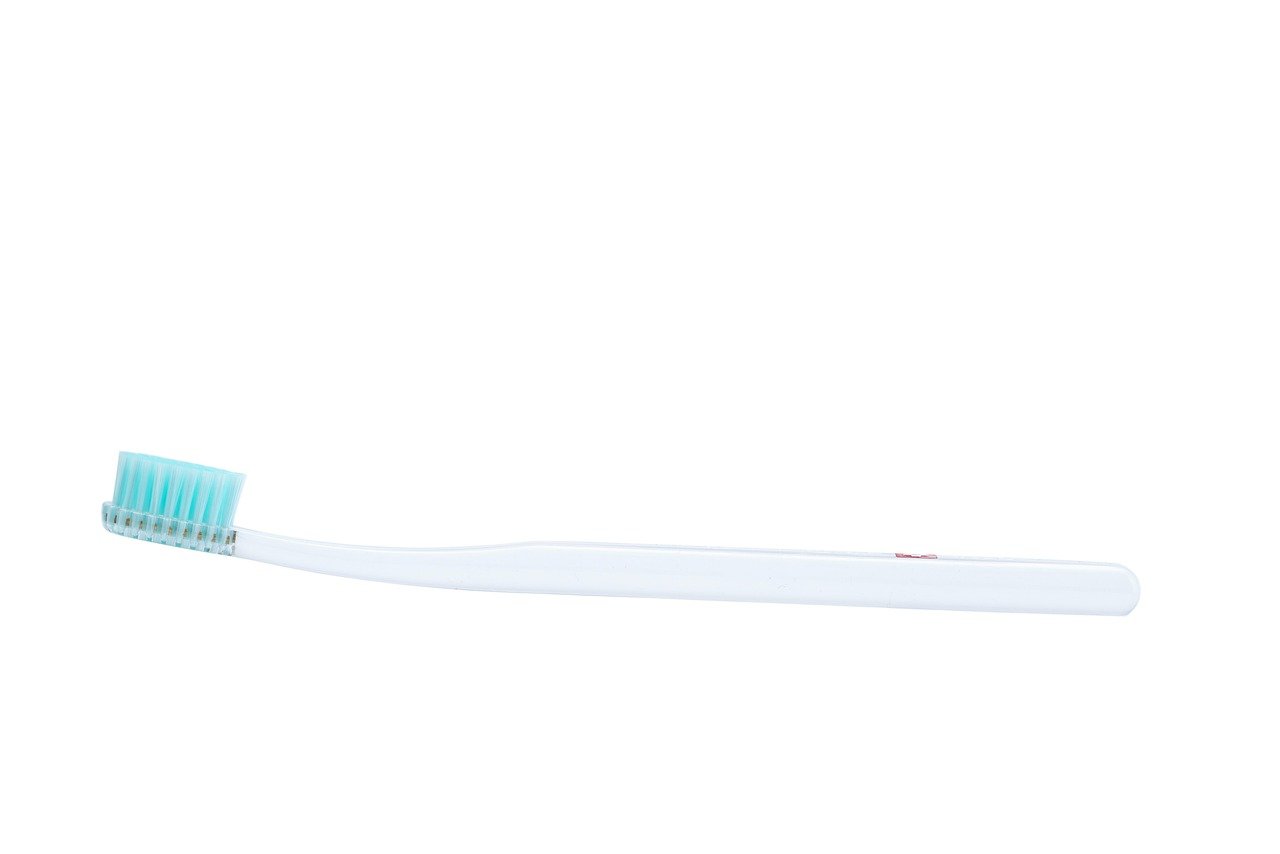
- Toothbrush: Opt for a soft-bristled toothbrush. Hard bristles can damage your enamel and irritate your gums. Electric toothbrushes can be more effective at removing plaque, especially for individuals with mobility issues. Replace your toothbrush every three months, or sooner if the bristles become frayed.
- Toothpaste: Select a toothpaste that contains fluoride. Fluoride strengthens tooth enamel and helps prevent cavities. Consider toothpastes designed for specific needs, such as sensitivity, whitening, or tartar control.
Brushing Technique
The proper brushing technique is just as important as the products you use.
- Use gentle, circular motions to clean all surfaces of your teeth.
- Angle the brush at a 45-degree angle to the gumline to effectively clean that area.
- Don’t forget to brush the tongue to remove bacteria and freshen breath.
- Brush for at least two minutes, twice a day. A good way to time yourself is using a timer or choosing a song you like that lasts 2 minutes.
When to Brush
- Brush first thing in the morning to remove bacteria that has accumulated overnight.
- Brush before bed to remove food particles and plaque that have built up during the day. Avoid brushing immediately after consuming acidic foods or drinks. Acid can weaken enamel, and brushing too soon can cause damage. Wait at least 30 minutes.
The Power of Flossing
Flossing reaches areas that your toothbrush can’t, like between your teeth and under the gumline. This is where plaque and food particles often accumulate, leading to cavities and gum disease.
Types of Floss
- Traditional Floss: Comes in waxed and unwaxed varieties. Waxed floss may be easier to slide between tight teeth.
- Floss Picks: Convenient and pre-threaded. Good for on-the-go flossing.
- Interdental Brushes: Small brushes designed to clean between teeth, particularly effective for people with larger gaps or braces.
Flossing Technique
- Use about 18 inches of floss, wrapping most of it around your middle fingers.
- Gently guide the floss between your teeth using a sawing motion. Avoid snapping the floss into your gums.
- Curve the floss around each tooth in a “C” shape, and slide it gently under the gumline.
- Use a clean section of floss for each tooth.
When to Floss
Floss at least once a day, ideally before bedtime. This helps remove plaque and food particles that have accumulated throughout the day, preventing them from sitting on your teeth overnight.
The Benefits of Mouthwash
Mouthwash is a valuable addition to your oral hygiene routine, offering benefits beyond just fresh breath.
Types of Mouthwash
- Fluoride Mouthwash: Helps strengthen tooth enamel and prevent cavities.
- Antiseptic Mouthwash: Kills bacteria and reduces plaque and gingivitis.
- Cosmetic Mouthwash: Freshens breath but doesn’t offer significant therapeutic benefits.
How to Use Mouthwash
- Rinse with mouthwash after brushing and flossing.
- Use the amount recommended on the product label (usually around 20 ml).
- Swish the mouthwash around in your mouth for 30-60 seconds.
- Avoid swallowing the mouthwash.
- Do not rinse your mouth with water immediately after using mouthwash, as this can wash away the active ingredients.
Choosing the Right Mouthwash
Consult with your dentist or hygienist to determine which type of mouthwash is best for your specific needs. Some mouthwashes contain alcohol, which can dry out your mouth. If you experience dry mouth, choose an alcohol-free option.
Diet and Dental Health
What you eat and drink significantly impacts your dental health.
Foods to Limit or Avoid
- Sugary Foods and Drinks: Sugar feeds bacteria in your mouth, leading to acid production and tooth decay. Limit your intake of candy, soda, and processed foods.
- Acidic Foods and Drinks: Acid erodes tooth enamel. Be mindful of citrus fruits, fruit juices, and carbonated beverages.
- Sticky Foods: Sticky foods cling to your teeth, providing a breeding ground for bacteria.
Foods to Promote Dental Health
- Crunchy Fruits and Vegetables: These stimulate saliva production, which helps neutralize acids and wash away food particles. Examples include apples, carrots, and celery.
- Dairy Products: Dairy products are rich in calcium and phosphorus, which are essential for strong teeth.
- Water: Drinking plenty of water helps rinse away food particles and keeps your mouth hydrated.
Practical Tips
- Rinse your mouth with water after consuming sugary or acidic foods and drinks.
- Chew sugar-free gum after meals to stimulate saliva production.
- Limit snacking between meals.
Regular Dental Check-ups
Regular dental check-ups and professional cleanings are crucial for maintaining optimal oral health.
What to Expect During a Check-up
- Examination: Your dentist will examine your teeth, gums, and mouth for signs of decay, gum disease, and other oral health problems.
- Cleaning: A dental hygienist will remove plaque and tartar buildup from your teeth.
- X-rays: X-rays can help detect problems that are not visible during a visual examination, such as cavities between teeth or bone loss.
- Oral Cancer Screening: Your dentist will check for signs of oral cancer.
How Often to Visit the Dentist
Most people should visit the dentist every six months for a check-up and cleaning. However, your dentist may recommend more frequent visits if you have a history of dental problems or are at higher risk for developing them.
Conclusion
Adopting and maintaining good dental hygiene habits is an investment in your overall health and well-being. By brushing and flossing regularly, using mouthwash, making smart dietary choices, and scheduling regular dental check-ups, you can prevent dental problems and enjoy a healthy, beautiful smile for years to come. Remember that consistency is key, and even small changes can make a big difference in your oral health. Talk to your dentist or dental hygienist for personalized advice and recommendations on how to improve your dental hygiene routine.