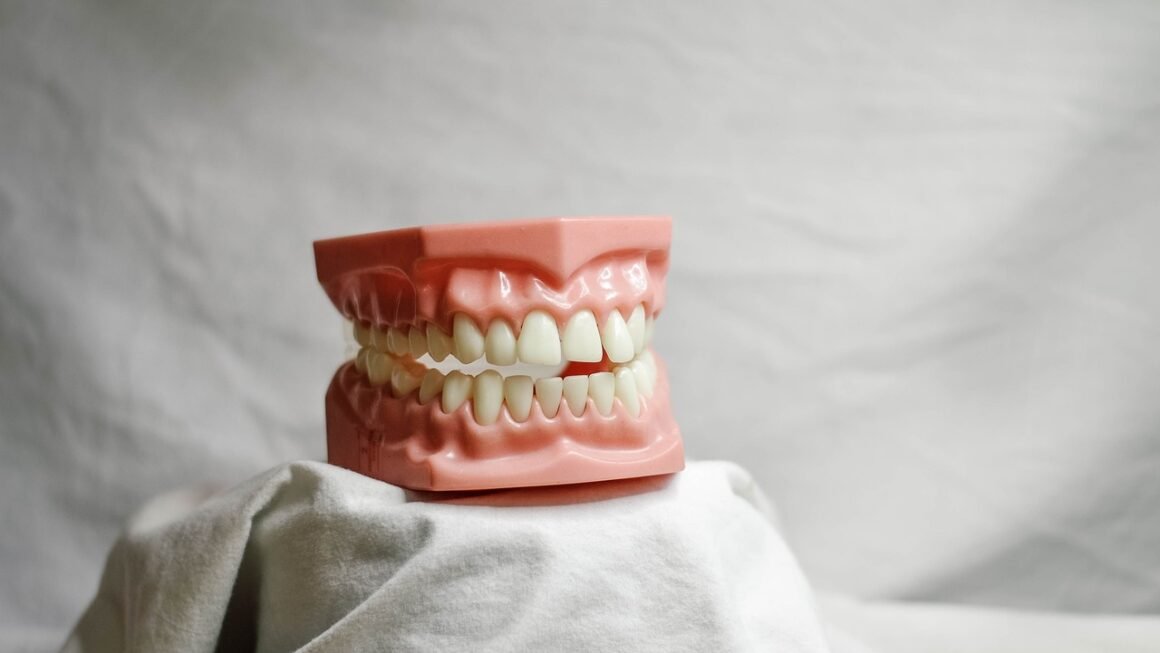
Flossing is often the unsung hero of oral hygiene, overshadowed by the more glamorous toothbrush. Yet, consistently and correctly flossing your teeth is essential for preventing gum disease, cavities, and even bad breath. This comprehensive guide will delve into the various flossing techniques, providing you with the knowledge and tools to achieve a healthier, brighter smile. Let’s unravel the secrets to effective flossing and unlock the power of a truly clean mouth.
The Importance of Flossing
Reaching the Unreachable
Toothbrushes are fantastic for cleaning the surfaces of your teeth, but they simply can’t reach the tight spaces between your teeth where food particles and plaque love to hide. These interdental spaces are breeding grounds for bacteria, which can lead to:
- Gingivitis (gum inflammation)
- Periodontitis (advanced gum disease)
- Cavities
- Bad breath (halitosis)
Flossing is specifically designed to target these areas, removing plaque and debris that a toothbrush misses. Think of it as the detail work in your oral hygiene routine.
Statistics on Flossing Habits
While dentists consistently recommend daily flossing, studies show that many people don’t floss regularly. According to the American Dental Association, about 40% of Americans floss daily, while 20% never floss. This highlights the need for greater awareness and education on proper flossing techniques.
Actionable Takeaway: Commit to flossing at least once a day, preferably before bedtime, to remove accumulated plaque and food debris.
Types of Floss
Traditional String Floss
Traditional string floss is the most common and readily available type. It comes in waxed and unwaxed varieties. Waxed floss slides more easily between teeth, which can be beneficial for those with tight spaces or sensitive gums. Unwaxed floss may squeak more against clean teeth, providing a tactile feedback that helps you know you’ve removed plaque.
- Waxed Floss: Good for tight spaces, less likely to shred.
- Unwaxed Floss: Provides more tactile feedback, may be more effective at scraping plaque.
Floss Picks
Floss picks are small, disposable tools with a short length of floss stretched between two plastic prongs. They are convenient for on-the-go flossing and can be easier to maneuver for some individuals, especially those with dexterity issues. However, they typically use the same small section of floss for multiple teeth, potentially spreading bacteria. Also, they may not allow you to wrap the floss around the tooth as effectively as string floss.
- Pros: Convenient, easy to use, good for on-the-go.
- Cons: Can be less effective than string floss, may spread bacteria.
Dental Tape
Dental tape is a wider, flatter version of traditional floss. It’s often preferred by individuals with larger spaces between their teeth or those who find string floss uncomfortable.
- Benefits: Comfortable for larger spaces, gentle on gums.
Interdental Brushes
While technically not floss, interdental brushes (also known as proxy brushes) are excellent for cleaning larger gaps between teeth, around dental implants, or braces. They come in various sizes and consist of a small brush head attached to a handle.
- Best For: Cleaning around braces, implants, and larger interdental spaces.
Actionable Takeaway: Experiment with different types of floss to find one that you find comfortable and easy to use. Your dentist can provide personalized recommendations.
Mastering the Flossing Technique
The C-Shape Method
This is the most widely recommended flossing technique using traditional string floss:
- Break off about 18 inches of floss and wrap most of it around your middle fingers, leaving a couple of inches to work with.
- Gently guide the floss between your teeth using a sawing motion, avoiding snapping it against your gums.
- When the floss reaches the gum line, curve it into a “C” shape around one tooth.
- Gently slide the floss up and down against the tooth, moving it beneath the gum line.
- Repeat this process on the adjacent tooth, forming another “C” shape.
- Use a fresh section of floss for each tooth to avoid spreading bacteria.
Example: Imagine you’re flossing between your front teeth. Gently guide the floss down, curving it around one tooth and then sliding it up and down, feeling the floss against the surface. Repeat on the other tooth. It should feel like you’re polishing the sides of each tooth.
Using Floss Picks Effectively
While less precise than string floss, floss picks can still be effective when used correctly:
- Hold the floss pick firmly.
- Gently guide the floss between your teeth.
- Curve the floss around each tooth and slide it up and down, just like with string floss.
- Rinse the floss pick with water after each tooth to remove debris (although changing picks entirely is preferable).
Actionable Takeaway: Focus on using a slow, controlled motion to ensure you’re thoroughly cleaning each tooth surface. Avoid simply snapping the floss between your teeth.
Common Flossing Mistakes and How to Avoid Them
Snapping the Floss
Snapping the floss against your gums can cause irritation, bleeding, and even damage to the soft tissue. Instead, use a gentle sawing motion to guide the floss between your teeth.
Neglecting the Back Teeth
It’s easy to focus on the front teeth, but the back teeth (molars) are just as important to floss. Ensure you’re reaching all the way back and cleaning the interdental spaces between these teeth.
Not Going Below the Gum Line
The area where your tooth meets your gum is a prime location for plaque and bacteria. Make sure you’re gently sliding the floss beneath the gum line to remove these deposits.
Using Too Much Force
Flossing shouldn’t be painful. If you’re experiencing significant discomfort, you may be using too much force. Use a gentle touch and let the floss do the work.
Reusing Floss
Using the same section of floss for multiple teeth can spread bacteria from one area of your mouth to another. Use a fresh section of floss for each tooth.
Actionable Takeaway: Pay attention to your technique and make adjustments as needed to avoid these common mistakes. If you’re unsure, ask your dentist or hygienist for a demonstration.
Flossing with Braces or Dental Appliances
Threading Floss
Flossing with braces can be challenging, but it’s crucial for maintaining good oral hygiene. A floss threader is a small, plastic tool that helps you guide the floss under the wires of your braces.
- Thread the floss through the eye of the floss threader.
- Guide the threader under the archwire of your braces.
- Gently pull the floss through until it’s positioned between your teeth.
- Floss each tooth as you normally would, using the C-shape method.
Interdental Brushes for Braces
Interdental brushes are also very useful for cleaning around brackets and wires. Choose a brush size that fits comfortably between the wires and your teeth.
Actionable Takeaway: Be patient and meticulous when flossing with braces. It may take some practice, but it’s worth the effort to prevent cavities and gum disease.
Conclusion
Flossing is an indispensable part of a comprehensive oral hygiene routine. By understanding the importance of flossing, choosing the right type of floss, mastering the proper technique, and avoiding common mistakes, you can significantly improve your oral health and enjoy a brighter, healthier smile. Make flossing a daily habit, and you’ll reap the rewards for years to come. Remember to consult with your dentist or dental hygienist for personalized recommendations and guidance on the best flossing techniques for your individual needs. Your teeth and gums will thank you!