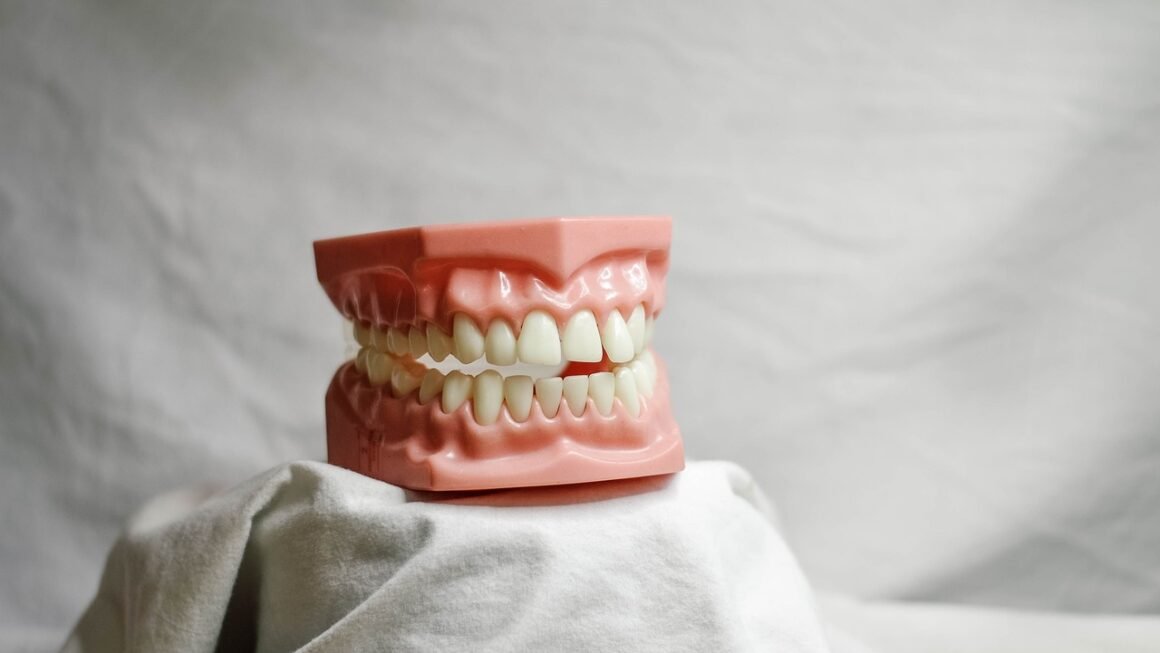
Dental sealants are a powerful tool in the fight against tooth decay, especially for children and teenagers. Think of them as a protective shield, guarding the vulnerable chewing surfaces of your molars against the daily onslaught of sugars and acids. These thin, plastic coatings are a simple yet highly effective way to prevent cavities and keep your smile healthy for years to come. This blog post will dive into everything you need to know about dental sealants, from how they work to who benefits most from them.
Understanding Dental Sealants
What are Dental Sealants?
Dental sealants are thin, plastic coatings applied to the chewing surfaces of molars and premolars. These surfaces have natural pits and fissures – tiny grooves and depressions – that are difficult to clean effectively with a toothbrush. Food particles and bacteria can easily get trapped in these areas, leading to the formation of plaque and ultimately, cavities. Sealants fill in these grooves, creating a smooth, easily cleanable surface that prevents bacteria and food from reaching the enamel.
How Dental Sealants Work
The application process is straightforward and painless. First, the dentist will clean and dry the tooth surface. Then, a slightly acidic solution may be applied to etch the enamel, creating a rough surface that allows the sealant to bond properly. After rinsing and drying the tooth again, the sealant material is applied, usually in liquid form. A special curing light is then used to harden the sealant, creating a durable protective barrier. The whole process typically takes just a few minutes per tooth.
Benefits of Dental Sealants
Preventing Tooth Decay
The primary benefit of dental sealants is their ability to prevent tooth decay. Studies have shown that sealants can reduce the risk of cavities in molars by up to 80%. By creating a physical barrier against bacteria and food particles, sealants effectively eliminate the conditions necessary for cavity formation.
Cost-Effective Protection
Dental sealants are a relatively inexpensive preventive measure compared to the cost of treating cavities. Fillings, root canals, and other restorative procedures can be significantly more costly than the initial sealant application. Investing in sealants can save you money in the long run by preventing the need for more extensive dental work.
Quick and Painless Application
The application of dental sealants is a quick and painless procedure that typically requires no anesthesia. This makes it a comfortable experience for patients of all ages, especially children who may be anxious about dental treatments. The quick application also means less chair time, making it a convenient option for busy families.
Long-Lasting Results
With proper care, dental sealants can last for several years, providing long-term protection against tooth decay. Regular dental check-ups are essential to ensure that the sealants remain intact and are functioning effectively. If a sealant becomes damaged or worn, it can easily be reapplied.
- Sealants create a smooth surface, easier to brush.
- They protect the deep grooves where bacteria thrive.
- They are a cost-effective way to prevent cavities.
- They can last for several years with proper care.
- The application process is quick and painless.
Who Should Get Dental Sealants?
Children and Teenagers
Children and teenagers are the primary beneficiaries of dental sealants. The molars and premolars, which are the most susceptible to decay, typically erupt during childhood. Applying sealants shortly after these teeth erupt provides immediate protection during the years when children are most vulnerable to cavities. The CDC reports that school-aged children without dental sealants have almost three times more cavities than children with sealants.
Adults at High Risk for Cavities
While sealants are most commonly recommended for children, adults who are at high risk for cavities can also benefit. This includes individuals with deep pits and fissures in their molars, those with a history of frequent cavities, and those with xerostomia (dry mouth), which reduces the mouth’s natural ability to wash away bacteria and food particles.
Individuals with Special Needs
People with special needs or physical limitations may have difficulty maintaining proper oral hygiene. Dental sealants can be particularly beneficial for these individuals, as they provide an extra layer of protection against tooth decay, even if brushing is not always as effective.
Example: A child with newly erupted molars should get sealants as soon as possible, before cavities have a chance to form. An adult with a deep groove in their molar and a history of cavities in that area should also consider sealant application.
The Dental Sealant Procedure: What to Expect
Initial Examination
The process begins with a thorough dental examination. Your dentist will assess the health of your teeth and determine if sealants are a suitable option. This may involve taking X-rays to check for any existing cavities or other dental issues.
Cleaning and Preparation
The teeth that will receive sealants are carefully cleaned to remove any plaque, food debris, and surface stains. A professional cleaning ensures that the sealant will bond properly to the tooth enamel.
Etching and Bonding
The tooth surface is then etched with a mild acidic solution. This creates a rough surface that allows the sealant material to adhere more effectively. The etching solution is rinsed off, and the tooth is thoroughly dried.
Sealant Application
The sealant material, which is typically a liquid resin, is applied to the chewing surface of the tooth. The sealant flows into the pits and fissures, filling them completely. A special curing light is used to harden the sealant, creating a solid, protective barrier.
Final Check and Adjustment
After the sealant has hardened, your dentist will check the bite to ensure that the sealant does not interfere with your normal chewing function. Any necessary adjustments will be made to ensure a comfortable and proper fit.
Caring for Dental Sealants
Regular Dental Check-ups
Regular dental check-ups are crucial for maintaining the effectiveness of dental sealants. Your dentist will examine the sealants to ensure they are intact and functioning properly. Any damaged or worn sealants can be repaired or reapplied.
Proper Oral Hygiene
While sealants provide significant protection against tooth decay, they are not a substitute for proper oral hygiene. Brushing your teeth at least twice a day with fluoride toothpaste and flossing daily are essential for maintaining overall oral health and preventing decay in areas not covered by sealants.
Avoid Chewing Hard Objects
To prevent damage to your sealants, avoid chewing on hard objects such as ice, hard candies, and pens. These habits can cause the sealants to chip or break, reducing their effectiveness. If you notice any damage to your sealants, contact your dentist promptly for repair.
Example: Schedule regular dental visits every six months. Brush your teeth twice a day, even with sealants. Avoid chewing on ice, which can damage the sealants.
Conclusion
Dental sealants are a simple, effective, and affordable way to protect your teeth from decay. By understanding how sealants work, who benefits from them, and how to care for them, you can make informed decisions about your oral health. If you are considering dental sealants for yourself or your children, talk to your dentist to determine if they are the right choice for you. With proper care and maintenance, dental sealants can help you maintain a healthy, cavity-free smile for years to come.