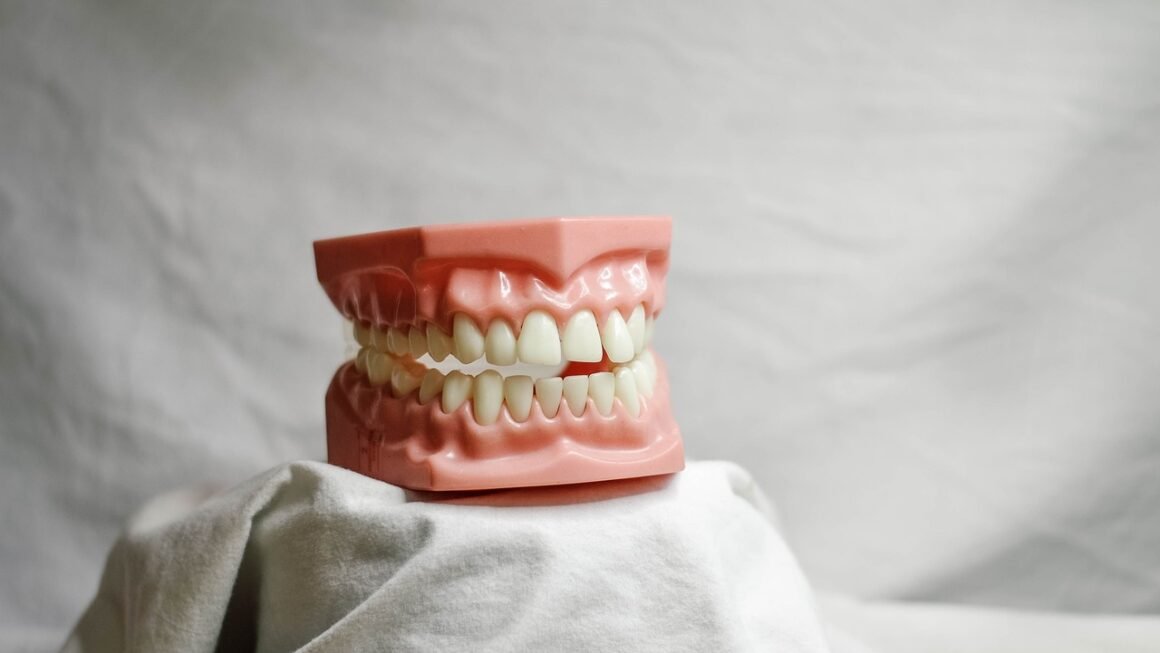
Maintaining healthy gums is just as important as keeping your teeth sparkling white. Often overlooked, your gums play a crucial role in your overall oral health and well-being. Healthy gums not only support your teeth but also act as a barrier against harmful bacteria that can lead to systemic health issues. This blog post dives into the essentials of gum health, providing practical tips and insights to help you achieve and maintain a healthy, vibrant smile.
Understanding Gum Health
What are Healthy Gums?
Healthy gums are typically pink, firm to the touch, and fit snugly around your teeth. They shouldn’t bleed easily when you brush or floss, and they should not be swollen or tender. The color can vary slightly depending on ethnicity, but the key is consistency and a lack of inflammation.
- Characteristics of healthy gums:
Pink or coral pink in color.
Firm and resilient texture.
No bleeding during brushing or flossing.
Smooth surface with stippling (orange peel-like texture) in some cases.
Properly contoured around teeth, forming a tight seal.
Why Gum Health Matters
The health of your gums has a direct impact on your overall well-being. Periodontal (gum) disease, if left untreated, can lead to tooth loss, bone loss, and even increase the risk of serious systemic conditions.
- Consequences of poor gum health:
Tooth Loss: Advanced gum disease is a leading cause of tooth loss in adults.
Systemic Health Risks: Studies have linked gum disease to an increased risk of heart disease, stroke, diabetes complications, and even certain types of cancer.
Bad Breath (Halitosis): Gum disease often leads to persistent bad breath.
Bone Loss: Periodontal disease can destroy the bone supporting your teeth, leading to instability and eventual loss.
The Importance of Proper Oral Hygiene
Brushing Techniques for Gum Health
Brushing twice a day is a cornerstone of good oral hygiene. However, the technique you use is just as important as the frequency. Gentle, circular motions are more effective than aggressive scrubbing.
- Recommended brushing technique:
Use a soft-bristled toothbrush.
Brush at a 45-degree angle to the gumline.
Use gentle, circular motions.
Brush all surfaces of each tooth (front, back, and top).
Brush for at least two minutes each time.
Don’t forget to brush your tongue to remove bacteria.
- Example: Imagine you’re massaging your gums, not scrubbing them. This gentle approach cleans effectively without causing irritation or recession.
Flossing: Reaching Where Brushing Can’t
Flossing removes plaque and food particles from between your teeth and along the gumline, areas that your toothbrush can’t reach. It’s a crucial step in preventing gum disease.
- Proper flossing technique:
Use about 18 inches of floss.
Gently slide the floss between your teeth.
Curve the floss into a “C” shape around each tooth.
Slide the floss up and down against the tooth surface, including slightly under the gumline.
Use a fresh section of floss for each tooth.
- Tip: If you find traditional flossing difficult, consider using floss picks or interdental brushes.
Mouthwash: An Added Layer of Protection
Using an antiseptic mouthwash can help kill bacteria and reduce plaque buildup in your mouth. Choose a mouthwash that is specifically designed for gum health.
- Benefits of using mouthwash:
Reduces plaque and gingivitis.
Kills bacteria that cause bad breath.
Helps to prevent tooth decay.
Can reach areas that brushing and flossing may miss.
- Important Note: Mouthwash should be used as a supplement to brushing and flossing, not as a replacement.
Lifestyle Factors Affecting Gum Health
Diet and Nutrition
A balanced diet rich in vitamins and minerals is essential for healthy gums. Certain nutrients, such as Vitamin C and Vitamin D, play a particularly important role in gum health.
- Foods to promote gum health:
Fruits and Vegetables: Rich in vitamins and antioxidants.
Dairy Products: Good source of calcium, which is important for bone health.
Green Tea: Contains antioxidants that can help fight inflammation.
Water: Helps to keep your mouth hydrated and washes away food particles.
- Foods to limit:
Sugary Foods and Drinks: Contribute to plaque buildup and tooth decay.
Acidic Foods and Drinks: Can erode tooth enamel.
Smoking and Tobacco Use
Smoking and tobacco use are major risk factors for gum disease. They weaken your immune system, making it harder for your body to fight off infection and heal damaged tissues.
- Negative effects of smoking on gum health:
Increased risk of gum disease.
Slower healing after dental procedures.
Increased risk of tooth loss.
Masked symptoms of gum disease, making it harder to detect in early stages.
- Actionable Takeaway: Quitting smoking is one of the best things you can do for your oral health and overall well-being.
Managing Stress
Stress can weaken your immune system, making you more susceptible to gum disease. Finding healthy ways to manage stress can benefit your oral health.
- Stress management techniques:
Exercise regularly.
Practice relaxation techniques such as yoga or meditation.
Get enough sleep.
Eat a healthy diet.
Connect with friends and family.
Regular Dental Checkups
The Importance of Professional Cleanings
Even with diligent home care, plaque and tartar can build up in hard-to-reach areas. Professional dental cleanings remove these deposits, helping to prevent gum disease.
- Benefits of professional dental cleanings:
Removal of plaque and tartar.
Early detection of gum disease.
Polishing of teeth to remove stains.
Personalized oral hygiene advice.
- Recommendation: Schedule professional dental cleanings at least twice a year, or more frequently if recommended by your dentist or hygienist.
Early Detection of Gum Disease
Regular dental checkups allow your dentist to identify early signs of gum disease, such as bleeding gums, swollen gums, or receding gums. Early detection and treatment are key to preventing the progression of gum disease.
- Signs and symptoms of gum disease:
Bleeding gums during brushing or flossing.
Red, swollen, or tender gums.
Persistent bad breath.
Receding gums.
Loose teeth.
* Changes in your bite.
- What to do: If you notice any of these symptoms, schedule an appointment with your dentist right away.
Conclusion
Maintaining healthy gums requires a combination of good oral hygiene practices, a healthy lifestyle, and regular dental checkups. By following the tips and recommendations outlined in this blog post, you can take proactive steps to protect your gums and enjoy a healthy, confident smile for years to come. Remember, healthy gums are a cornerstone of overall health, so prioritize your oral hygiene and make it a part of your daily routine. Don’t hesitate to consult with your dentist or dental hygienist for personalized advice and treatment options.