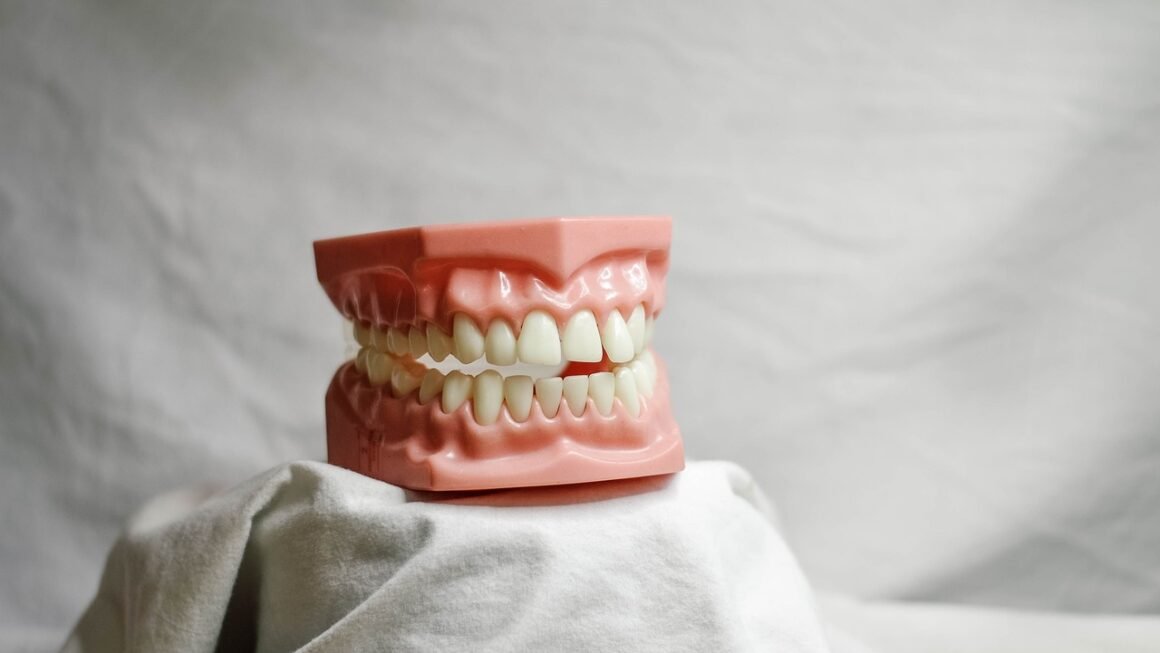
Maintaining excellent dental hygiene is crucial for a healthy mouth and a confident smile. It’s about more than just brushing; it’s a comprehensive approach to caring for your teeth and gums. By adopting good dental hygiene habits, you can prevent cavities, gum disease, and other oral health problems, ultimately leading to a better quality of life. Let’s dive into the key practices that will keep your smile sparkling.
The Importance of Proper Brushing Techniques
Proper brushing is the cornerstone of effective dental hygiene. Without it, plaque and bacteria accumulate, leading to cavities and gum disease.
Choosing the Right Toothbrush and Toothpaste
- Toothbrush: Opt for a soft-bristled toothbrush. Medium or hard bristles can damage your enamel and gums. Consider an electric toothbrush – many come with timers and pressure sensors to help you brush effectively.
Replace your toothbrush every three months, or sooner if the bristles are frayed. Frayed bristles are less effective at removing plaque.
- Toothpaste: Select a fluoride toothpaste. Fluoride strengthens tooth enamel and helps prevent cavities. Look for the ADA Seal of Acceptance to ensure the toothpaste has been evaluated for safety and effectiveness.
For sensitive teeth, consider a toothpaste formulated for sensitivity, containing ingredients like potassium nitrate.
The Correct Brushing Method
- Use gentle, circular motions to clean all surfaces of your teeth: the front, back, and top (chewing) surfaces.
Angle the toothbrush at 45 degrees towards the gumline to effectively remove plaque from the gum line and around the teeth.
- Brush for at least two minutes, twice a day. Many electric toothbrushes have built-in timers to help you reach the recommended brushing time.
Divide your mouth into four quadrants and spend 30 seconds on each.
- Don’t forget to brush your tongue to remove bacteria and freshen your breath.
Use a tongue scraper for even better results.
When to Brush: Timing Matters
- Brush in the morning after waking up and before going to bed.
- If you can, brush after meals to remove food particles and prevent plaque buildup. If you can’t brush immediately after eating, rinse your mouth with water.
Wait at least 30 minutes after consuming acidic foods or drinks before brushing, as the acid can soften the enamel.
The Vital Role of Flossing
Flossing reaches the areas that your toothbrush can’t, cleaning between your teeth and under the gum line. It’s a critical step in preventing gum disease.
Types of Floss: Choosing What’s Right for You
- Traditional Floss: Waxed or unwaxed, this is the most common type.
* Consider waxed floss if your teeth are tightly spaced, as it tends to glide more easily.
- Floss Picks: Convenient for on-the-go flossing, but may not be as effective as traditional floss.
- Interdental Brushes: Small brushes designed to clean between teeth with larger gaps.
- Water Flossers (Oral Irrigators): Use a stream of water to remove plaque and food particles. A good option for people with braces or difficulty using traditional floss.
Proper Flossing Technique
- Use about 18 inches of floss, winding most of it around your middle fingers, leaving a few inches to work with.
- Gently guide the floss between your teeth using a sawing motion.
- Curve the floss into a “C” shape around each tooth and slide it gently under the gum line.
- Use a clean section of floss for each tooth to avoid spreading bacteria.
- Floss at least once a day, preferably before bedtime.
Addressing Common Flossing Challenges
- Bleeding Gums: Bleeding gums can be a sign of gum disease. Continue flossing daily – the bleeding should decrease as your gums become healthier. If bleeding persists, consult your dentist.
- Difficulty Reaching Back Teeth: Consider using floss picks or floss holders to make it easier to reach your back teeth.
Incorporating Mouthwash into Your Routine
Mouthwash can help kill bacteria, freshen breath, and prevent plaque buildup. It’s a valuable addition to your oral hygiene routine.
Types of Mouthwash: Antiseptic vs. Fluoride
- Antiseptic Mouthwash: Contains ingredients that kill bacteria, such as chlorhexidine or cetylpyridinium chloride (CPC). Useful for fighting gum disease and reducing plaque. Can stain teeth with prolonged use.
- Fluoride Mouthwash: Contains fluoride to strengthen tooth enamel and prevent cavities. A good choice for people who are prone to cavities.
- Cosmetic Mouthwash: Primarily freshens breath and does not have significant antibacterial properties.
How to Use Mouthwash Effectively
- Rinse with mouthwash after brushing and flossing.
- Use about 20 ml (about 4 teaspoons) of mouthwash.
- Swish the mouthwash around in your mouth for 30 seconds.
- Do not swallow the mouthwash.
- Avoid eating or drinking for 30 minutes after using mouthwash.
Choosing the Right Mouthwash for Your Needs
- Consult your dentist or dental hygienist for recommendations based on your specific needs and oral health.
- Consider the alcohol content of the mouthwash, as some formulations can be drying. Alcohol-free options are available.
Regular Dental Check-ups and Cleanings
Even with excellent at-home dental hygiene, regular visits to the dentist are essential.
The Importance of Professional Cleanings
- Dentists and hygienists can remove plaque and tartar buildup that you can’t remove at home.
- Professional cleanings can help prevent gum disease and cavities.
- They can also identify potential problems early on, before they become more serious.
What to Expect During a Dental Check-up
- Examination: The dentist will examine your teeth and gums for signs of decay, gum disease, and other problems.
- X-rays: X-rays can reveal problems that are not visible during a visual examination, such as cavities between teeth or bone loss.
- Cleaning: A dental hygienist will clean your teeth, removing plaque and tartar.
- Fluoride Treatment: Fluoride may be applied to your teeth to help strengthen enamel and prevent cavities.
Frequency of Dental Visits
- Most people should visit the dentist every six months for a check-up and cleaning.
- Your dentist may recommend more frequent visits if you have gum disease or are prone to cavities.
Diet and Oral Health: What You Eat Matters
Your diet plays a significant role in your oral health. Certain foods and drinks can contribute to tooth decay, while others can help strengthen your teeth.
Foods to Limit or Avoid
- Sugary Foods and Drinks: Sugar feeds bacteria in your mouth, leading to acid production and tooth decay. Limit sugary snacks, candies, and sugary drinks.
- Acidic Foods and Drinks: Acid can erode tooth enamel. Limit acidic fruits, fruit juices, sodas, and sports drinks.
- Sticky Foods: Sticky foods can cling to your teeth and promote plaque buildup. Limit sticky candies, dried fruits, and processed snacks.
Foods That Promote Healthy Teeth
- Water: Water helps wash away food particles and bacteria, and it also stimulates saliva production, which helps neutralize acids in your mouth.
- Crunchy Fruits and Vegetables: Crunchy foods like apples, carrots, and celery help clean your teeth as you chew.
- Dairy Products: Dairy products like milk, cheese, and yogurt are rich in calcium and phosphorus, which help strengthen tooth enamel.
- Leafy Green Vegetables: Leafy greens are rich in vitamins and minerals that are essential for healthy teeth and gums.
Snacking Habits and Oral Health
- Avoid frequent snacking, as it exposes your teeth to acid attacks throughout the day.
- If you do snack, choose healthy options like fruits, vegetables, or nuts.
- Rinse your mouth with water after snacking.
Conclusion
Adopting and maintaining good dental hygiene habits is a lifetime commitment that pays off with a healthy, confident smile. By consistently brushing, flossing, using mouthwash, visiting your dentist regularly, and making smart dietary choices, you can significantly reduce your risk of cavities, gum disease, and other oral health problems. Make these practices a part of your daily routine, and you’ll be well on your way to a lifetime of optimal oral health. Remember, a healthy mouth is a gateway to overall well-being.