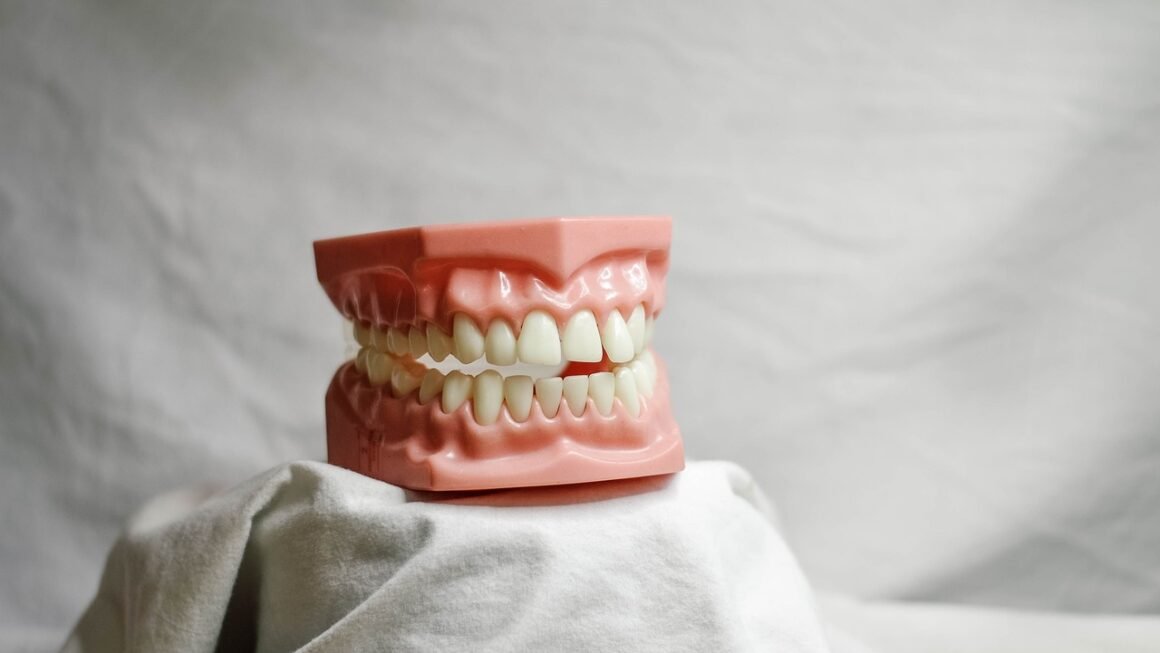
A radiant smile starts with healthy gums. Often overlooked, our gums play a vital role in supporting our teeth and overall oral health. Neglecting gum care can lead to a host of problems, from bad breath to tooth loss. This comprehensive guide explores the importance of healthy gums, providing you with the knowledge and tools you need to maintain a healthy, confident smile.
The Importance of Healthy Gums
Protecting Your Teeth
Healthy gums act as a protective barrier for the roots of your teeth. They seal tightly around each tooth, preventing bacteria and debris from reaching the sensitive areas beneath the enamel.
- Example: Imagine your teeth as trees. The gums are the soil that supports and nourishes them. Without healthy soil (gums), the trees (teeth) become unstable and vulnerable.
Preventing Gum Disease
Gum disease, also known as periodontal disease, is a common infection that can damage the soft tissue and bone that support your teeth. Healthy gums are resistant to this infection.
- Stages of Gum Disease:
Gingivitis: The early stage, characterized by red, swollen, and bleeding gums. Reversible with good oral hygiene.
Periodontitis: The advanced stage, where the gums pull away from the teeth, forming pockets that become infected. Can lead to tooth loss.
Impact on Overall Health
Studies have linked gum disease to other health problems, including heart disease, diabetes, and respiratory infections. Maintaining healthy gums is therefore crucial for your overall well-being.
- Statistics: Research suggests that people with periodontal disease are almost twice as likely to have coronary artery disease.
Signs of Unhealthy Gums
Bleeding Gums
Bleeding gums during brushing or flossing is often one of the first signs of gingivitis. It indicates inflammation and irritation of the gum tissue.
- Actionable Tip: If you notice bleeding gums, don’t stop brushing or flossing. Instead, be more gentle and consistent with your oral hygiene routine. If the bleeding persists, consult your dentist.
Swollen or Red Gums
Healthy gums are typically pink and firm. Swollen or red gums indicate inflammation, which is a sign of infection.
- Example: Compare healthy gums to a healthy complexion. They should be a natural pink color, not inflamed and red.
Receding Gums
Receding gums occur when the gum tissue pulls back from the teeth, exposing the roots. This can lead to sensitivity and increased risk of decay.
- Causes of Receding Gums:
Aggressive brushing
Gum disease
Genetics
Tobacco use
Persistent Bad Breath
Chronic bad breath, also known as halitosis, can be a sign of gum disease. Bacteria in the mouth produce volatile sulfur compounds that cause unpleasant odors.
- Practical Tip: Regular brushing, flossing, and using a tongue scraper can help combat bad breath.
Maintaining Healthy Gums: A Step-by-Step Guide
Brushing Techniques
Proper brushing is essential for removing plaque and bacteria from your teeth and gums.
- Technique: Use a soft-bristled toothbrush and brush gently in a circular motion, paying attention to the gum line.
- Frequency: Brush at least twice a day for two minutes each time.
- Example: Imagine you’re massaging your gums, not scrubbing them. Gentle, circular motions are key.
Flossing Daily
Flossing removes plaque and food particles from between your teeth and along the gum line, areas that your toothbrush can’t reach.
- Technique: Use about 18 inches of floss, wrapping it around your middle fingers and guiding it gently between your teeth.
- Frequency: Floss at least once a day, preferably before bedtime.
- Benefits of Flossing:
Removes plaque and bacteria
Prevents cavities
Reduces gum inflammation
Using Mouthwash
Mouthwash can help kill bacteria and freshen breath, but it’s not a substitute for brushing and flossing.
- Choosing a Mouthwash: Look for a mouthwash that contains fluoride and is alcohol-free.
- How to Use: Rinse your mouth with mouthwash for 30 seconds after brushing and flossing.
Regular Dental Check-ups
Visiting your dentist for regular check-ups and cleanings is crucial for maintaining healthy gums. Your dentist can detect early signs of gum disease and provide professional cleaning to remove plaque and tartar.
- Frequency: Schedule dental check-ups at least twice a year, or more frequently if you have a history of gum disease.
Lifestyle Factors Affecting Gum Health
Diet
A healthy diet plays a significant role in gum health.
- Foods to Include:
Fruits and vegetables rich in vitamins and antioxidants
Foods high in calcium and vitamin D
Water – stay hydrated to increase saliva production
- Foods to Avoid:
Sugary foods and drinks that promote bacterial growth
Acidic foods that can erode tooth enamel
Smoking
Smoking is a major risk factor for gum disease. It weakens the immune system and makes it harder for the gums to heal.
- Impact of Smoking:
Increases the risk of gum disease
Impairs wound healing
Reduces the effectiveness of dental treatments
Stress Management
Stress can weaken the immune system and increase the risk of gum disease.
- Stress Reduction Techniques:
Exercise regularly
Practice relaxation techniques, such as yoga or meditation
Get enough sleep
Conclusion
Maintaining healthy gums is essential for a bright smile and overall well-being. By following a consistent oral hygiene routine, making healthy lifestyle choices, and visiting your dentist regularly, you can protect your gums from disease and enjoy a lifetime of healthy smiles. Remember, your gums are the foundation of your teeth; taking care of them is an investment in your future health.