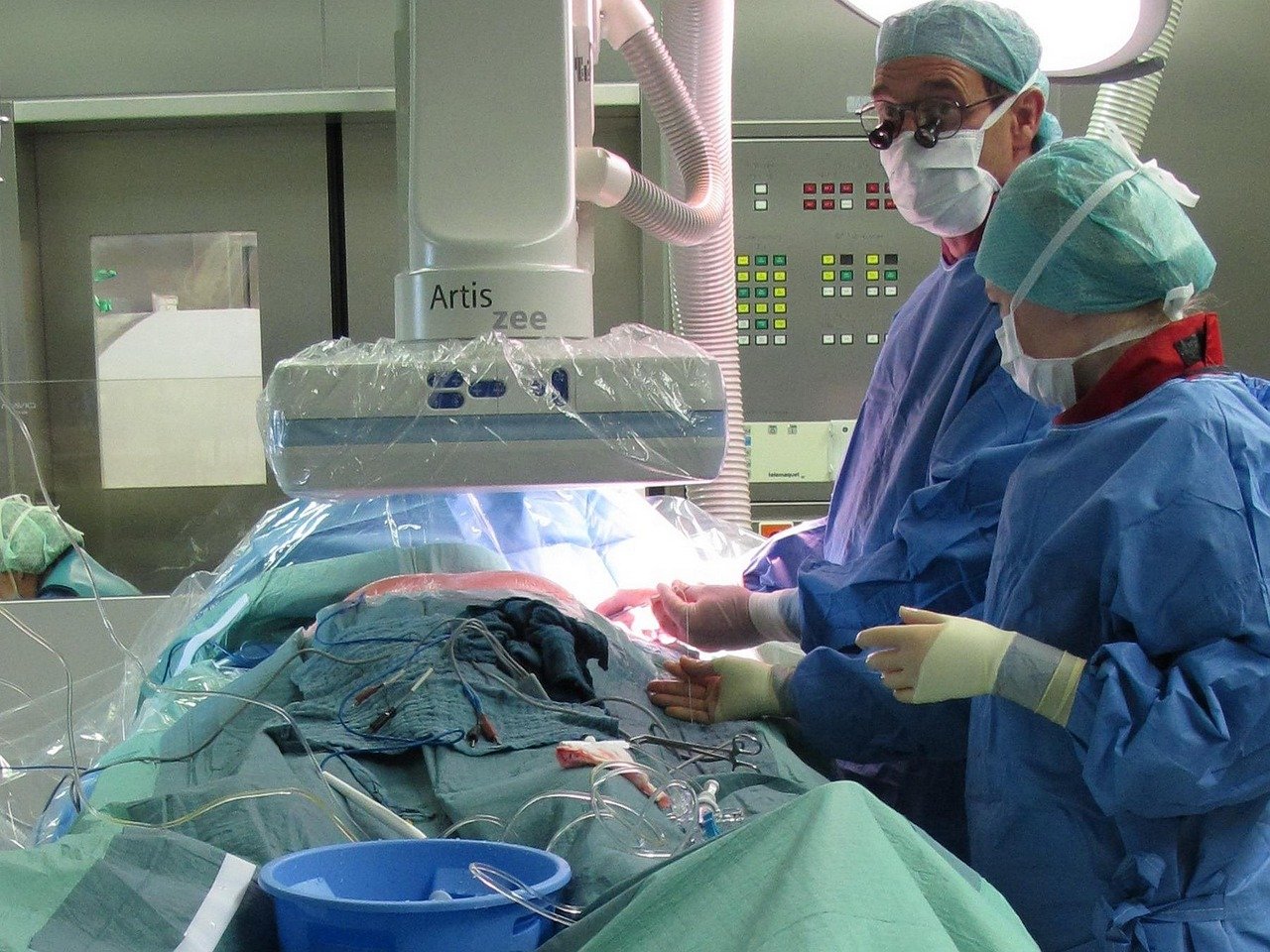
Facing a dental procedure can be daunting, especially when the prospect of pain looms large. Thankfully, modern dental anesthesia offers a range of options to ensure a comfortable and stress-free experience. From simple numbing agents to deeper sedation techniques, understanding the choices available is key to feeling confident and prepared for your next dental visit. Let’s explore the world of dental anesthesia and uncover how it can transform your perception of dental care.
Understanding Dental Anesthesia
What is Dental Anesthesia?
Dental anesthesia encompasses a range of techniques used to manage pain and anxiety during dental procedures. These methods work by blocking nerve signals, either locally or systemically, effectively preventing or minimizing discomfort. Choosing the right type of anesthesia depends on the procedure’s complexity, the patient’s anxiety level, and their medical history.
The Goal of Dental Anesthesia
The primary goals of dental anesthesia are to:
- Eliminate or minimize pain during procedures.
- Reduce anxiety and promote relaxation.
- Ensure the patient’s comfort and safety.
- Allow the dentist to perform procedures efficiently and effectively.
Why is Dental Anesthesia Important?
Dental anesthesia plays a vital role in modern dentistry. It allows dentists to perform complex and lengthy procedures without causing undue stress or discomfort to patients. Without anesthesia, many individuals might avoid necessary dental treatments, leading to further complications and oral health issues.
- Example: Imagine needing a root canal without any anesthesia. The procedure would be excruciating and likely cause significant anxiety, potentially discouraging the patient from seeking necessary treatment.
Types of Dental Anesthesia
Local Anesthesia
Local anesthesia is the most common type used in dental procedures. It numbs a specific area of the mouth, preventing pain signals from reaching the brain.
- How it Works: Local anesthetics contain drugs like lidocaine, articaine, or bupivacaine, which block nerve transmission in the targeted area.
- Administration: Typically administered via injection near the treatment site. Topical anesthetics, like gels or sprays, can also be used to numb the surface before the injection.
- Procedures: Used for fillings, simple extractions, root canals, and crown preparations.
- Example: A patient receiving a filling will likely receive a local anesthetic injection near the affected tooth. The numbing effect lasts for a couple of hours.
Sedation Dentistry
Sedation dentistry utilizes medication to help patients relax during dental procedures. The level of sedation can range from minimal to deep, depending on the patient’s needs and preferences.
- Minimal Sedation: Patients are awake but relaxed. Nitrous oxide (laughing gas) is a common form of minimal sedation.
– Nitrous Oxide: Inhaled through a mask, it produces a sense of euphoria and reduces anxiety. The effects wear off quickly after the gas is stopped.
- Moderate Sedation: Also known as conscious sedation, patients are drowsy but can still respond to verbal commands. Medications can be administered orally or intravenously.
– Oral Sedation: Involves taking a pill before the procedure to induce relaxation.
– IV Sedation: Delivers medication directly into the bloodstream, allowing for faster and more controlled sedation.
- Deep Sedation: Patients are on the edge of consciousness and may need assistance with breathing.
- General Anesthesia: Patients are completely unconscious and unable to respond to stimuli. Requires specialized equipment and monitoring.
- Example: A patient with severe dental anxiety might choose moderate sedation for a complex extraction procedure. They would be relaxed and drowsy but still able to cooperate with the dentist.
General Anesthesia
General anesthesia is the deepest level of sedation, rendering the patient completely unconscious. It is typically reserved for lengthy or complex procedures or for patients with severe anxiety or special needs.
- Administration: Administered intravenously or through inhalation by a trained anesthesiologist.
- Monitoring: Requires continuous monitoring of vital signs, including heart rate, blood pressure, and breathing.
- Procedures: Used for extensive oral surgeries, multiple extractions, or in cases where other forms of anesthesia are not suitable.
- Example: A child with severe dental phobia undergoing multiple tooth extractions might benefit from general anesthesia to ensure a pain-free and stress-free experience.
Choosing the Right Type of Anesthesia
Factors to Consider
Selecting the most appropriate type of dental anesthesia requires careful consideration of several factors:
- Procedure Complexity: More complex procedures may require deeper sedation.
- Patient Anxiety Level: Patients with high anxiety might benefit from sedation dentistry.
- Medical History: Certain medical conditions or medications can influence the choice of anesthesia.
- Patient Preferences: Discuss your comfort level and preferences with your dentist.
- Allergies: Alert your dentist about any known allergies to medications.
The Consultation Process
Before any procedure, your dentist will conduct a thorough consultation to evaluate your needs and determine the best anesthesia option. This consultation typically includes:
- Reviewing your medical history.
- Discussing the planned procedure.
- Assessing your anxiety level.
- Explaining the different anesthesia options.
- Answering your questions and addressing your concerns.
Practical Tips for Discussing Anesthesia with Your Dentist
- Be honest about your anxiety levels and any previous negative experiences.
- Ask about the potential risks and benefits of each anesthesia option.
- Inquire about the dentist’s experience and qualifications in administering the chosen anesthesia.
- Clarify any pre- or post-operative instructions.
Risks and Side Effects
Common Side Effects
While dental anesthesia is generally safe, it is essential to be aware of potential side effects:
- Local Anesthesia:
– Temporary numbness or tingling.
– Soreness at the injection site.
– Hematoma (bruising).
– Rarely, nerve damage.
- Sedation Dentistry:
– Drowsiness.
– Nausea.
– Headache.
– Temporary memory loss.
- General Anesthesia:*
– Nausea and vomiting.
– Sore throat.
– Muscle aches.
– Rarely, serious complications such as allergic reactions or respiratory problems.
Minimizing Risks
To minimize the risks associated with dental anesthesia:
- Provide a complete and accurate medical history to your dentist.
- Follow all pre- and post-operative instructions carefully.
- Ensure that your dentist is properly trained and experienced in administering the chosen anesthesia.
- Inform your dentist immediately if you experience any unusual symptoms after the procedure.
Emergency Preparedness
Dental offices are equipped to handle potential emergencies related to anesthesia. Dentists and their staff are trained in basic life support (BLS) and advanced cardiac life support (ACLS). They also have access to emergency medications and equipment.
Post-Operative Care
After Local Anesthesia
- Avoid eating or drinking hot liquids until the numbness wears off to prevent burns.
- Be careful not to bite your cheek or tongue while numb.
- Take over-the-counter pain relievers, if needed, for any soreness at the injection site.
After Sedation Dentistry
- Have a responsible adult drive you home.
- Avoid operating machinery or making important decisions for at least 24 hours.
- Rest and drink plenty of fluids.
- Follow your dentist’s specific post-operative instructions.
After General Anesthesia
- Stay in recovery until you are fully awake and alert.
- Have a responsible adult drive you home and stay with you for the first 24 hours.
- Follow your dentist’s and anesthesiologist’s specific post-operative instructions, which may include dietary restrictions and medication schedules.
Conclusion
Dental anesthesia has revolutionized the field of dentistry, making treatments more comfortable and accessible for everyone. Understanding the different types of anesthesia available, discussing your concerns with your dentist, and following post-operative instructions are key to a positive and safe dental experience. By embracing these advancements, you can ensure optimal oral health without fear or anxiety. Don’t hesitate to explore your anesthesia options and choose the one that best suits your needs, leading to a healthier and happier smile.