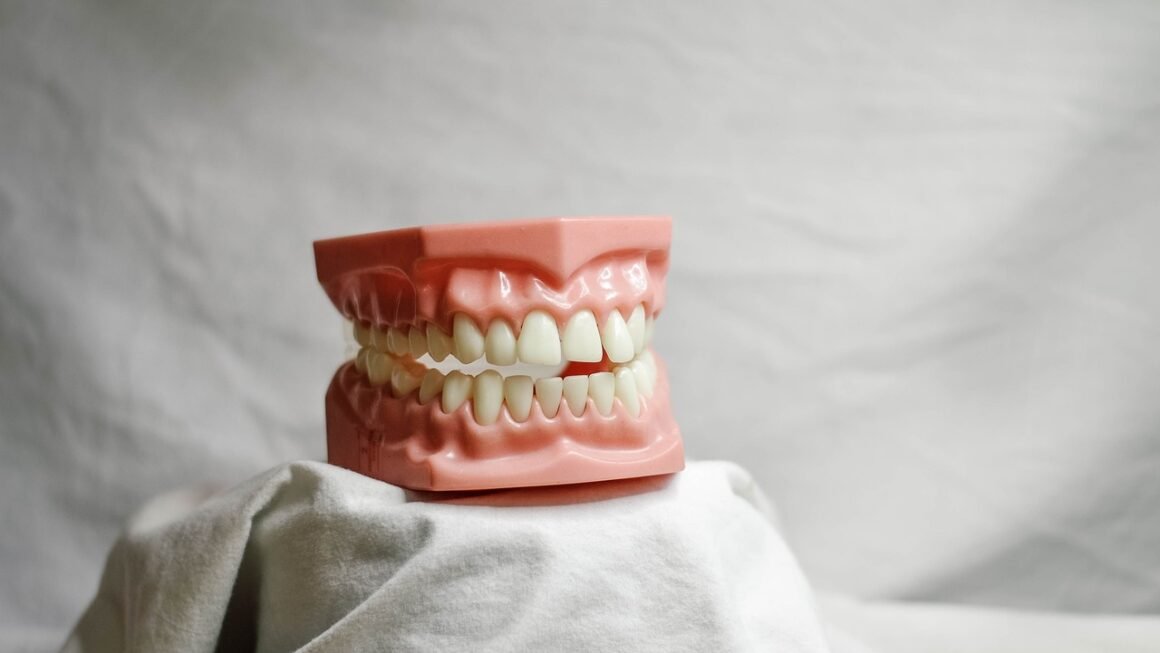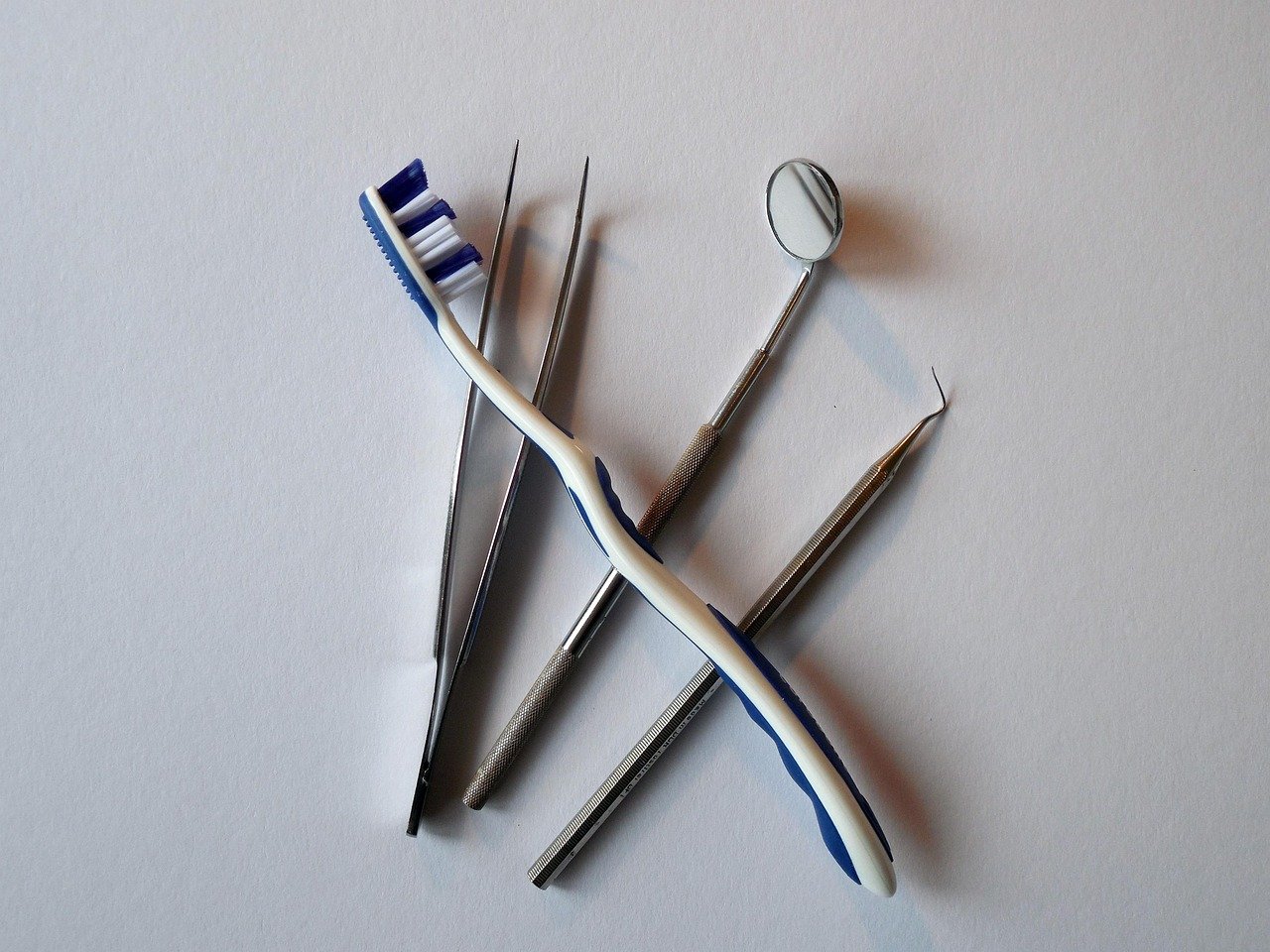
Maintaining excellent dental hygiene is more than just a bright smile; it’s a cornerstone of overall health. Neglecting your oral health can lead to issues far beyond cavities and bad breath, impacting everything from your heart to your self-esteem. This guide provides a comprehensive overview of dental hygiene maintenance, equipping you with the knowledge and tools to keep your smile healthy and vibrant for years to come.
The Importance of Regular Brushing and Flossing
Why Brushing Matters
Brushing is your first line of defense against plaque, a sticky film of bacteria that constantly forms on your teeth. Plaque produces acids that attack your enamel, leading to cavities and gum disease. Regular brushing removes this plaque, preventing these problems.
- Frequency: Brush at least twice a day, ideally after breakfast and before bed.
- Technique: Use a soft-bristled toothbrush and fluoride toothpaste. Place the brush at a 45-degree angle to your gumline and use gentle, circular motions to clean each tooth. Don’t forget to brush your tongue!
- Duration: Brush for at least two minutes each time. Many electric toothbrushes have built-in timers to help you track your progress.
- Toothpaste Selection: Choose a fluoride toothpaste recommended by your dentist. Fluoride strengthens tooth enamel and helps prevent cavities. Consider toothpaste designed for specific needs like sensitivity or whitening.
The Power of Flossing
Flossing removes plaque and food particles from between your teeth, areas your toothbrush can’t reach. This is crucial for preventing cavities and gum disease in these vulnerable spots. Many people skip this step, but it’s just as important as brushing.
- When to Floss: Floss at least once a day, ideally before brushing. This allows the fluoride in your toothpaste to reach those interdental areas.
- How to Floss: Use about 18 inches of floss and wrap it around your middle fingers, leaving a few inches to work with. Gently guide the floss between your teeth using a sawing motion. Curve the floss into a “C” shape around each tooth and slide it under the gumline. Use a clean section of floss for each tooth.
- Alternatives to Traditional Floss: If you find traditional flossing difficult, consider using interdental brushes, floss picks, or a water flosser. These can be easier to maneuver and are especially helpful if you have tight spaces between your teeth or braces.
- Example: Many people find it easiest to floss before bed after their regular brushing. This routine helps ensure plaque doesn’t sit between the teeth for hours while sleeping.
Statistics and Data on Brushing and Flossing
According to the American Dental Association (ADA), only about 50% of adults floss daily. Studies show that regular flossing can reduce the risk of gum disease by up to 40%. Failing to brush and floss regularly can lead to a buildup of plaque and tartar, requiring professional cleaning by a dentist or hygienist. The CDC reports that untreated tooth decay is prevalent among children and adults, further underscoring the importance of consistent oral hygiene habits.
Diet and Oral Health
Foods to Embrace
Your diet plays a significant role in your oral health. Certain foods can actually help keep your teeth strong and healthy.
- Crunchy Fruits and Vegetables: Apples, carrots, and celery stimulate saliva production, which helps neutralize acids and wash away food particles. The scrubbing action of these foods can also help remove plaque.
- Dairy Products: Milk, cheese, and yogurt are rich in calcium and phosphorus, which strengthen tooth enamel. Cheese can also help neutralize acids in the mouth.
- Water: Drinking plenty of water throughout the day helps wash away food particles and keep your mouth hydrated, which is essential for saliva production.
Foods to Limit
Certain foods and drinks can contribute to tooth decay and other oral health problems. Limiting your intake of these items can significantly improve your dental health.
- Sugary Foods and Drinks: Candy, soda, and processed snacks are major contributors to tooth decay. Bacteria in your mouth feed on sugar, producing acids that attack your enamel.
- Acidic Foods and Drinks: Citrus fruits, tomatoes, and vinegar can erode tooth enamel over time. If you consume these items, rinse your mouth with water afterward to neutralize the acids.
- Sticky Foods: Foods that stick to your teeth, such as caramel and gummy candies, provide a longer opportunity for bacteria to produce acids.
Practical Tips for a Tooth-Friendly Diet
- Read Labels: Check the sugar content of packaged foods and drinks. Choose low-sugar options whenever possible.
- Eat Healthy Snacks: Opt for fruits, vegetables, cheese, or nuts instead of sugary snacks.
- Drink Water with Meals: Water helps wash away food particles and neutralize acids.
- Limit Snacking: Frequent snacking exposes your teeth to acids more often. Try to stick to regular meal times and limit between-meal snacking.
Regular Dental Check-ups and Cleanings
The Importance of Professional Cleanings
Even with diligent brushing and flossing, plaque and tartar (hardened plaque) can build up in hard-to-reach areas. A professional dental cleaning removes these deposits, helping to prevent cavities and gum disease.
- Plaque and Tartar Removal: Hygienists use specialized tools to remove plaque and tartar from above and below the gumline.
- Polishing: Your teeth will be polished to remove surface stains and leave them feeling smooth.
- Fluoride Treatment: A fluoride treatment can help strengthen your enamel and protect against future cavities.
Comprehensive Examinations
During a dental check-up, your dentist will examine your teeth, gums, and mouth for signs of decay, gum disease, and other oral health problems. Early detection allows for timely treatment and can prevent more serious issues from developing.
- Visual Examination: The dentist will visually inspect your teeth and gums for any abnormalities.
- X-Rays: X-rays can reveal hidden cavities, bone loss, and other problems that aren’t visible to the naked eye.
- Oral Cancer Screening: Your dentist will check for signs of oral cancer, such as sores or lumps in your mouth.
- Gum Disease Evaluation: Your dentist will assess the health of your gums and check for signs of gum disease, such as bleeding, swelling, or receding gums.
How Often Should You Visit the Dentist?
Most people should visit the dentist every six months for a check-up and cleaning. However, your dentist may recommend more frequent visits if you have certain risk factors for oral health problems, such as:
- Gum Disease: People with gum disease may need more frequent cleanings to control the infection.
- Dry Mouth: Dry mouth increases the risk of tooth decay.
- Smoking: Smoking increases the risk of gum disease and oral cancer.
- Medical Conditions: Certain medical conditions, such as diabetes, can increase the risk of oral health problems.
- Example: Someone with a history of frequent cavities might benefit from visits every 3-4 months to monitor potential problems and address them early.
Addressing Specific Oral Health Concerns
Managing Sensitive Teeth
Tooth sensitivity can be caused by a variety of factors, including enamel erosion, receding gums, and tooth decay. Here are some tips for managing sensitive teeth:
- Use Desensitizing Toothpaste: Toothpastes containing potassium nitrate or strontium chloride can help block pain signals and reduce sensitivity.
- Use a Soft-Bristled Toothbrush: Gentle brushing can prevent further enamel erosion and gum recession.
- Avoid Acidic Foods and Drinks: Acid can erode tooth enamel and worsen sensitivity.
- Consider Fluoride Treatments: Fluoride can help strengthen enamel and reduce sensitivity.
- See Your Dentist: Your dentist can determine the cause of your sensitivity and recommend appropriate treatment options, such as fluoride varnish or a root canal.
Preventing Gum Disease
Gum disease, also known as periodontitis, is an infection of the gums that can damage the soft tissue and bone that support your teeth. Here are some steps you can take to prevent gum disease:
- Brush and Floss Regularly: Removing plaque and tartar is essential for preventing gum disease.
- See Your Dentist Regularly: Professional cleanings can remove plaque and tartar from hard-to-reach areas.
- Quit Smoking: Smoking is a major risk factor for gum disease.
- Manage Medical Conditions: Conditions like diabetes can increase the risk of gum disease.
- Use an Antibacterial Mouthwash: A mouthwash containing chlorhexidine can help kill bacteria and reduce inflammation.
Dealing with Bad Breath (Halitosis)
Bad breath can be caused by a variety of factors, including poor oral hygiene, dry mouth, and certain medical conditions. Here are some tips for dealing with bad breath:
- Brush Your Tongue: Bacteria can accumulate on your tongue, contributing to bad breath.
- Stay Hydrated: Dry mouth can lead to bad breath.
- Avoid Odor-Causing Foods: Garlic, onions, and spicy foods can cause bad breath.
- Chew Sugar-Free Gum: Chewing gum can stimulate saliva production, which helps wash away food particles and neutralize acids.
- See Your Dentist: Your dentist can determine the cause of your bad breath and recommend appropriate treatment options. In some cases, bad breath can be a sign of an underlying medical condition.
Conclusion
Maintaining good dental hygiene is an investment in your overall health and well-being. By following the tips and advice outlined in this guide, you can protect your teeth and gums from decay, gum disease, and other oral health problems. Remember to brush and floss regularly, eat a tooth-friendly diet, and visit your dentist for regular check-ups and cleanings. A healthy smile not only looks great but also contributes to a healthier and happier you!