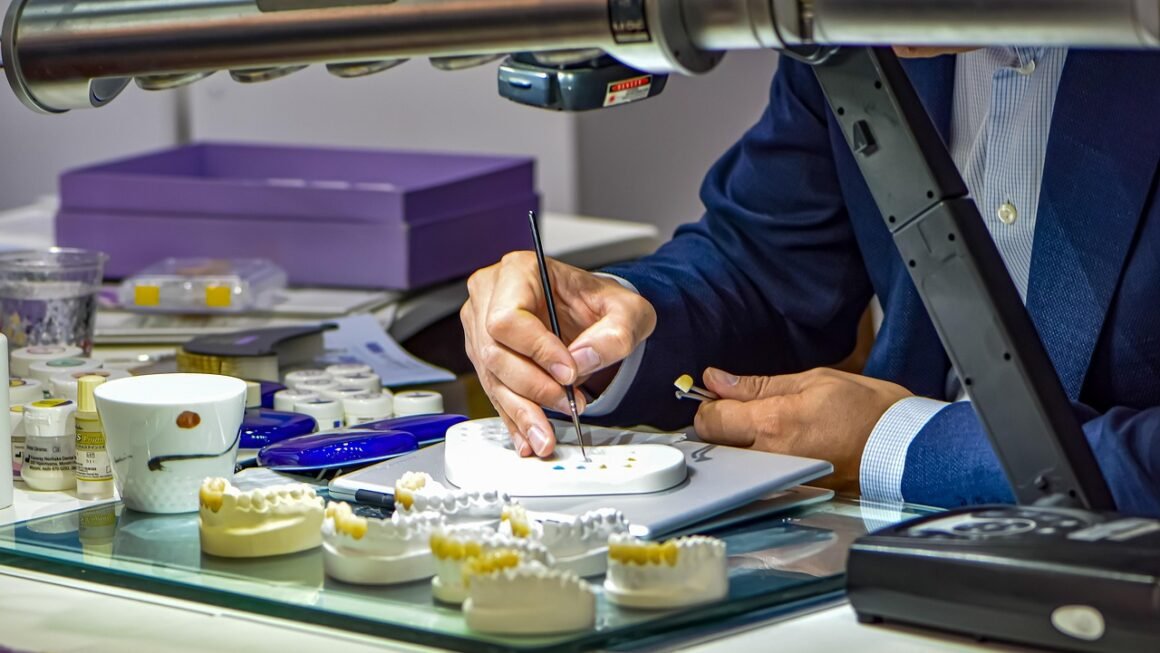
Bleaching gel, also known as teeth whitening gel, is a popular and effective method for achieving a brighter, more confident smile. Whether you’re preparing for a special event or simply want to enhance your appearance, understanding the ins and outs of bleaching gel can help you make informed decisions and achieve the best possible results. From understanding the different types to properly applying and maintaining your results, this guide covers everything you need to know.
What is Bleaching Gel and How Does it Work?
The Science Behind Teeth Whitening
Bleaching gel typically contains hydrogen peroxide or carbamide peroxide as its active ingredient. These chemicals work by breaking down the stains on your teeth into smaller, less concentrated particles, making them appear less visible.
- Hydrogen Peroxide: Works faster but can be more irritating to the gums.
- Carbamide Peroxide: Breaks down into hydrogen peroxide and urea, offering a slower, more sustained release, often resulting in less sensitivity.
The bleaching process allows oxygen molecules from the peroxide to penetrate the enamel and dentin, oxidizing the discolored molecules. This doesn’t damage the tooth structure but effectively lightens the overall shade.
Different Types of Bleaching Gels
Bleaching gels vary in concentration and delivery methods. Choosing the right type is crucial for achieving optimal results while minimizing potential side effects.
- Over-the-Counter (OTC) Gels: These are available in lower concentrations (typically 3-10% hydrogen peroxide or 10-22% carbamide peroxide) and are often applied using strips or trays. OTC options are convenient but generally provide less dramatic results compared to professional treatments.
- Professional Gels (Dentist-Dispensed): Dentists provide higher concentration gels (up to 40% hydrogen peroxide) and custom-fitted trays. These are more effective because of the higher concentration and the better fit of the trays, which ensures even distribution and less gel leakage.
- In-Office Bleaching: This involves a dentist applying a high-concentration bleaching gel, often activated by a special light or laser. This method provides the quickest results but can also be the most expensive.
Understanding Gel Concentrations
The concentration of the bleaching gel directly impacts the whitening speed and potential sensitivity.
- Lower Concentrations (e.g., 10% carbamide peroxide): Suitable for individuals with sensitive teeth and require longer application times (often overnight).
- Higher Concentrations (e.g., 35% hydrogen peroxide): Provide faster results but are more likely to cause sensitivity. These are usually administered and monitored by a dentist.
- Example: If you have sensitive teeth, starting with a 10% carbamide peroxide gel worn overnight is a good approach. Monitor your teeth for any sensitivity and adjust the wear time accordingly.
How to Use Bleaching Gel Safely and Effectively
Preparing for Bleaching
Before starting any bleaching treatment, it’s essential to ensure your teeth are healthy.
- Dental Check-up: Visit your dentist for a thorough examination and cleaning to remove plaque and tartar. This ensures the bleaching gel can work effectively.
- Treat Any Dental Issues: Address any cavities, gum disease, or other oral health problems before starting the whitening process.
- Follow Dentist’s Instructions: If using a professional-grade gel, strictly adhere to your dentist’s instructions regarding application and wear time.
Application Techniques
Proper application is crucial for achieving even whitening and minimizing gum irritation.
- Custom-Fitted Trays: Ensure the trays fit snugly to prevent gel leakage. Apply a small amount of gel to each tooth impression in the tray.
- Over-the-Counter Strips: Follow the instructions on the packaging. Ensure the strips are properly aligned with your gum line to avoid irritation.
- Application Duration: Adhere to the recommended wear time. Overusing the gel won’t necessarily lead to faster results and can increase the risk of sensitivity.
- Example: When using custom trays, apply a small, pea-sized amount of gel into each tooth impression. Too much gel can overflow and irritate the gums.
Aftercare and Maintenance
Maintaining good oral hygiene is crucial for preserving your newly whitened smile.
- Brush and Floss Regularly: Continue brushing twice a day and flossing daily to remove plaque and prevent staining.
- Avoid Staining Foods and Drinks: Limit consumption of coffee, tea, red wine, and dark-colored foods that can stain teeth.
- Touch-Up Treatments: Consider occasional touch-up treatments with bleaching gel to maintain your desired level of whiteness. Consult your dentist about the frequency and concentration of touch-up treatments.
Potential Side Effects and How to Manage Them
Tooth Sensitivity
Tooth sensitivity is a common side effect of bleaching.
- Use Sensitivity Toothpaste: Use a toothpaste containing potassium nitrate or stannous fluoride to help reduce sensitivity.
- Reduce Wear Time: Shorten the application time or use the gel every other day to allow your teeth to recover.
- Fluoride Treatment: Your dentist may recommend a fluoride treatment to strengthen your enamel and reduce sensitivity.
- Example: If you experience sensitivity, try using a desensitizing toothpaste for two weeks before starting the bleaching process. This can help to minimize discomfort.
Gum Irritation
Gum irritation can occur if the bleaching gel comes into contact with your gums.
- Use Less Gel: Apply a smaller amount of gel to the trays to prevent overflow.
- Proper Tray Fit: Ensure your trays fit well to avoid gel leakage.
- Rinse Thoroughly: Rinse your mouth with water after each treatment to remove any residual gel.
- Example: If you notice gum irritation, discontinue use for a day or two and allow your gums to heal. You can also apply a vitamin E oil to the affected area to soothe the irritation.
Other Side Effects
While less common, other side effects can include:
- Uneven Whitening: This can occur if your teeth have existing fillings or crowns.
- Changes in Enamel: Prolonged or excessive use of bleaching gel can potentially weaken enamel.
- Temporary Sore Throat: Possible if gel is swallowed.
- Actionable Takeaway: Always consult with your dentist if you experience any unusual or concerning side effects.
Maximizing Your Bleaching Gel Results
Combine with Professional Cleanings
Regular dental cleanings remove surface stains and prepare your teeth for bleaching, leading to better and more consistent results.
- Timing is Key: Schedule a professional cleaning before starting your bleaching treatment.
Maintain a White Diet
Avoiding or minimizing stain-causing foods and beverages will help prolong the effects of your bleaching treatment.
- Foods to Avoid: Coffee, tea, red wine, berries, soy sauce, and dark chocolate.
- Foods to Favor: Chicken, fish, rice, pasta, and cauliflower.
Use Whitening Toothpaste
Whitening toothpastes contain mild abrasives that help remove surface stains, maintaining the brightness of your teeth.
- Choose Wisely: Opt for whitening toothpastes with ADA (American Dental Association) Seal of Acceptance to ensure they are safe and effective.
Stay Hydrated
Drinking plenty of water helps wash away stain-causing particles and keeps your mouth hydrated.
- Rinse After Meals:* Rinsing your mouth with water after eating or drinking can help prevent stains from setting in.
Conclusion
Bleaching gel offers a convenient and effective way to brighten your smile, but understanding its mechanisms, proper usage, and potential side effects is crucial. By following the guidelines outlined in this post, you can maximize the benefits of bleaching gel while minimizing risks. Always consult with your dentist before starting any teeth whitening treatment to ensure it’s the right choice for you and to achieve the best possible results. With the right approach, you can confidently achieve a brighter, more radiant smile that you’ll be proud to show off.