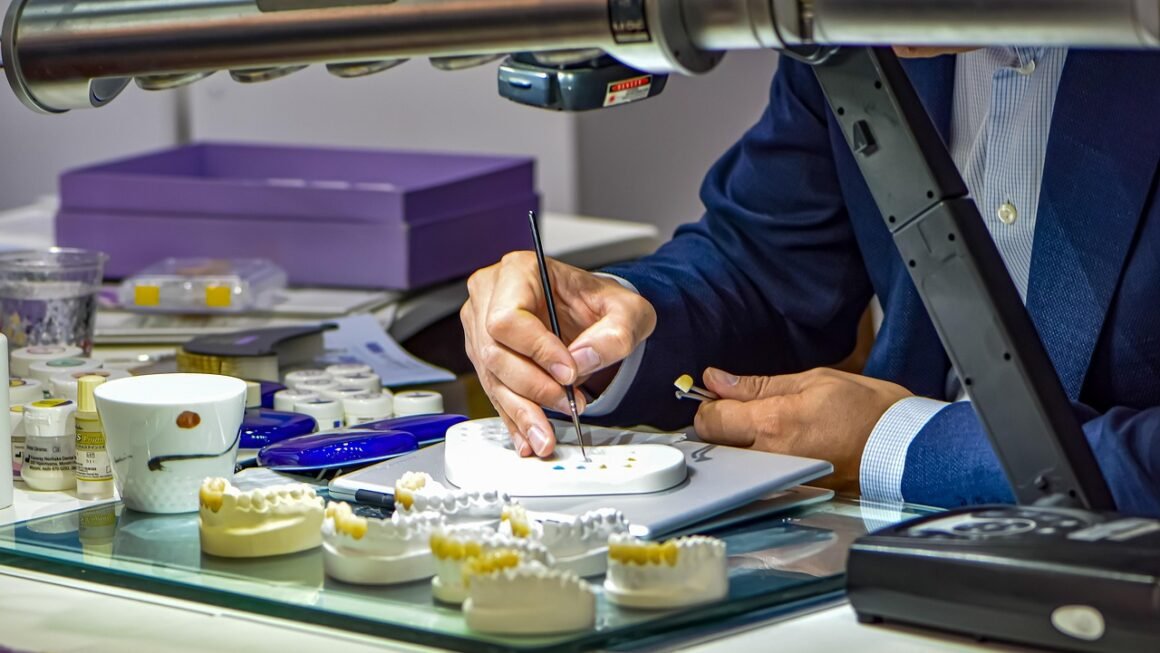
Achieving a brighter, whiter smile is a desire shared by many. A dazzling smile can boost confidence, enhance your appearance, and even make a positive first impression. Fortunately, with the advancements in modern dentistry, there are numerous teeth whitening solutions available to help you achieve the radiant smile you’ve always dreamed of. This comprehensive guide explores the various teeth whitening options, their benefits, and how to choose the best one for your specific needs.
Understanding Teeth Whitening
What Causes Teeth Discoloration?
Teeth discoloration can stem from a variety of factors, both internal and external. Identifying the cause is the first step in choosing the right whitening method.
- Extrinsic Stains: These are surface stains caused by external factors such as:
Food and Drinks: Coffee, tea, red wine, and certain fruits can leave stains.
Tobacco Use: Smoking or chewing tobacco can significantly discolor teeth.
Poor Oral Hygiene: Inadequate brushing and flossing allow plaque to build up, leading to staining.
- Intrinsic Stains: These stains are within the tooth structure and are harder to remove:
Aging: As we age, the enamel thins, revealing the yellow dentin underneath.
Medications: Certain medications, like tetracycline antibiotics, can cause permanent discoloration.
Fluorosis: Excessive fluoride intake during tooth development can lead to white or brown spots.
Dental Trauma: Injuries to the teeth can sometimes cause discoloration.
How Teeth Whitening Works
Most teeth whitening treatments utilize either hydrogen peroxide or carbamide peroxide. These agents work by breaking down stains into smaller, less concentrated molecules, making them less visible.
- Hydrogen Peroxide: A stronger bleaching agent, often used in professional treatments and some over-the-counter products. It penetrates the enamel and dentin to oxidize stain molecules.
- Carbamide Peroxide: A less potent agent that breaks down into hydrogen peroxide and urea. It’s commonly found in at-home whitening kits and is released more slowly, making it gentler on the teeth.
Professional Teeth Whitening Treatments
Professional teeth whitening, administered by a dentist, offers the most effective and controlled whitening experience.
In-Office Whitening
In-office whitening treatments provide dramatic results in a single appointment.
- Procedure: The dentist applies a high-concentration hydrogen peroxide gel to the teeth, often activated by a special light or laser.
- Benefits:
Fast Results: Significant whitening is achieved in about an hour.
Supervised Treatment: The dentist monitors the process to minimize sensitivity and ensure even whitening.
Customized Approach: The dentist can tailor the treatment to address specific concerns and achieve optimal results.
- Example: Zoom! Whitening is a popular in-office treatment that uses a light-activated hydrogen peroxide gel to whiten teeth up to eight shades lighter in just one session.
Take-Home Whitening Kits (Prescription Strength)
These kits are dispensed by your dentist and offer a more gradual whitening process compared to in-office treatments.
- Procedure: The dentist takes impressions of your teeth to create custom-fitted trays. You then apply a prescription-strength whitening gel to the trays and wear them for a specified period each day, typically for a few weeks.
- Benefits:
Custom Fit: Trays fit snugly, ensuring even gel distribution and minimal gum irritation.
Controlled Whitening: You can adjust the frequency and duration of treatment to achieve your desired shade.
Maintenance: Custom trays can be reused for future touch-ups.
- Example: Your dentist may provide you with custom trays and a carbamide peroxide gel ranging from 10% to 22% strength, instructing you to wear them for 30 minutes to a few hours each day.
Over-the-Counter (OTC) Teeth Whitening Products
Numerous OTC products offer convenient and affordable teeth whitening options. However, they generally contain lower concentrations of bleaching agents compared to professional treatments.
Whitening Toothpastes
These toothpastes contain mild abrasives and chemical agents to remove surface stains.
- Benefits:
Affordable and Accessible: Widely available in drugstores and supermarkets.
Easy to Use: Simply replace your regular toothpaste with a whitening toothpaste.
Maintain Results: Can help maintain the results of professional whitening.
- Limitations: Primarily effective for removing surface stains and may not significantly lighten the overall tooth shade. Look for the ADA Seal of Acceptance, which indicates the toothpaste has been evaluated for safety and effectiveness.
- Example: Crest 3D White Radiant Mint toothpaste is a popular option.
Whitening Strips
These thin, flexible strips are coated with a peroxide-based gel.
- Procedure: You apply the strips to your teeth for a specified period each day, typically for several weeks.
- Benefits:
Convenient: Easy to use and can be done at home.
Relatively Inexpensive: More affordable than professional treatments.
Noticeable Results: Can lighten teeth by a few shades.
- Limitations: May not fit all tooth shapes perfectly, leading to uneven whitening. Can cause temporary tooth sensitivity or gum irritation.
- Example: Crest 3D White Whitestrips are a common brand of whitening strips.
Whitening Gels and Pens
These products involve applying a whitening gel directly to the teeth using a brush or pen applicator.
- Benefits:
Targeted Application: Allows you to focus on specific areas.
Convenient: Easy to carry and use on the go.
- Limitations: May not provide as even coverage as whitening strips or trays.
- Example: Colgate Optic White Overnight Whitening Pen is applied before bed and whitens teeth overnight.
Whitening Mouthwashes
These mouthwashes contain hydrogen peroxide and aim to whiten teeth over time.
- Benefits:
Easy to Incorporate: Simply rinse with the mouthwash as part of your oral hygiene routine.
- Limitations: Less effective than other whitening methods due to limited contact time with the teeth.
- Example: Crest 3D White Diamond Strong Rinse.
Natural Teeth Whitening Methods
While not as effective as professional or OTC treatments, some natural methods can help brighten your smile.
Baking Soda
Baking soda is a mild abrasive that can help remove surface stains.
- How to Use: Mix baking soda with water to form a paste and brush your teeth with it.
- Caution: Excessive use can erode tooth enamel.
Oil Pulling
Oil pulling involves swishing oil (typically coconut, sesame, or sunflower oil) in your mouth for 15-20 minutes each day.
- Proposed Benefits: May help remove bacteria and reduce plaque buildup.
- Evidence: Limited scientific evidence supports its whitening claims.
Fruits and Vegetables
Some fruits and vegetables, like apples, strawberries, and celery, can help remove surface stains due to their abrasive texture or enzymatic properties.
- Strawberries: Contain malic acid, which can help brighten teeth. However, excessive use may damage enamel.
- Apples and Celery: Their crisp texture helps scrub away surface stains.
Conclusion
Choosing the right teeth whitening solution depends on your individual needs, budget, and desired results. Professional treatments offer the fastest and most effective results, while over-the-counter products provide convenient and affordable options for mild to moderate whitening. Natural methods can be used as supplementary techniques but are generally less effective. Always consult with your dentist before starting any whitening treatment to ensure it’s safe and appropriate for you. A brighter, whiter smile is within reach, so explore your options and take the first step towards a more confident you!