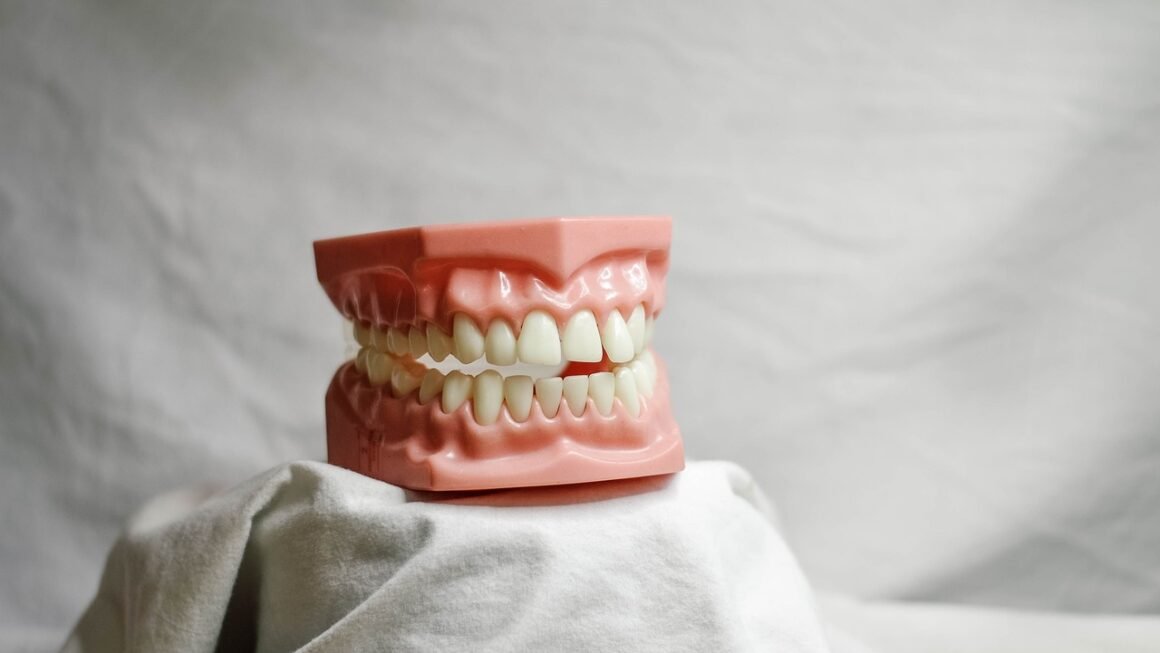
That twinge when you bite into an ice cream cone? The sharp zap when you sip hot coffee? Tooth sensitivity, also known as dentin hypersensitivity, is a common dental problem affecting millions. It can range from a mild annoyance to a debilitating pain that interferes with daily life. Understanding the causes, symptoms, and treatments for tooth sensitivity is crucial for maintaining good oral health and enjoying your favorite foods and drinks without discomfort. Let’s delve into the world of sensitive teeth and explore how to manage and prevent this uncomfortable condition.
What Causes Tooth Sensitivity?
Tooth sensitivity arises when the underlying layer of your tooth, the dentin, becomes exposed. Dentin contains microscopic tubules that lead directly to the nerve of the tooth. When these tubules are exposed, stimuli like hot, cold, sweet, or acidic substances can trigger the nerve, causing pain. Let’s examine some common culprits:
Gum Recession
- Description: This is a primary cause, where gums pull back, exposing the root surfaces of teeth.
- Example: Vigorous brushing or periodontal disease can lead to gum recession. As the gums recede, the cementum that covers the root erodes more easily than enamel, leaving the dentin vulnerable.
- Actionable Takeaway: Use a soft-bristled toothbrush and gentle brushing techniques to protect your gums. See your dentist regularly for periodontal evaluations.
Enamel Erosion
- Description: The protective enamel layer gets worn away, exposing the dentin beneath.
- Causes:
Acidic foods and drinks: Citrus fruits, soda, and even some fruit juices can erode enamel over time.
Teeth grinding (bruxism): Grinding your teeth, especially at night, can wear down enamel.
Acid reflux: Stomach acid can wash up into the mouth and erode enamel.
- Actionable Takeaway: Limit acidic foods and drinks. Consider using a nightguard if you grind your teeth. Manage acid reflux with lifestyle changes or medication as recommended by your doctor.
Dental Procedures
- Description: Sensitivity can occur as a temporary side effect after certain dental treatments.
- Examples:
Teeth whitening: The chemicals used in whitening can temporarily increase sensitivity.
Dental cleanings: Especially deep cleanings that remove tartar below the gum line can expose root surfaces.
Fillings, crowns, and root canals: These procedures can sometimes irritate the nerve, leading to temporary sensitivity.
- Actionable Takeaway: Discuss potential sensitivity with your dentist before undergoing any dental procedure. Use desensitizing toothpaste as recommended by your dentist both before and after the procedure.
Cracked or Chipped Teeth
- Description: Damage to the tooth can expose the dentin and make the tooth more susceptible to sensitivity.
- Causes: Trauma, biting on hard objects, or even temperature changes can cause cracks or chips.
- Actionable Takeaway: See your dentist immediately if you crack or chip a tooth. Avoid biting on hard objects.
Recognizing the Symptoms of Tooth Sensitivity
Understanding the symptoms is key to addressing the issue promptly.
Pain Triggers
- Common triggers: Cold air, hot drinks, sweet foods, acidic substances, and even brushing your teeth.
- Pain characteristics: The pain is typically sharp and sudden, but it usually subsides quickly once the trigger is removed.
- Example: A sharp pain when you breathe in cold air on a winter day.
Severity of Pain
- Variability: The intensity of pain can range from mild discomfort to severe, debilitating pain.
- Impact: The severity can impact daily activities, such as eating, drinking, and even talking.
- Actionable Takeaway: Pay attention to the severity and frequency of your pain and report it to your dentist.
Location of Sensitivity
- Localized vs. Generalized: Sensitivity can be localized to one or a few teeth, or it can be more generalized throughout the mouth.
- Clues: Identifying the specific teeth that are sensitive can help your dentist pinpoint the underlying cause.
- Actionable Takeaway: Note which teeth are most sensitive and communicate this information to your dentist.
Managing and Treating Tooth Sensitivity
Several effective strategies can help you manage and alleviate tooth sensitivity.
Desensitizing Toothpastes
- Mechanism of Action: These toothpastes contain ingredients like potassium nitrate or stannous fluoride, which block the tubules in the dentin, reducing nerve stimulation.
- Usage: Use desensitizing toothpaste twice daily, as you would regular toothpaste. It can take several weeks of consistent use to notice a significant improvement.
- Example: Brands like Sensodyne and Colgate Sensitive are widely available.
- Actionable Takeaway: Brush gently with desensitizing toothpaste and allow it to sit on your teeth for a few minutes before rinsing.
Fluoride Treatments
- Professional Application: Your dentist can apply fluoride varnish or gel to your teeth to strengthen enamel and reduce sensitivity.
- At-Home Options: Fluoride mouthwashes and prescription-strength fluoride toothpaste can also help.
- Benefits: Fluoride helps to remineralize enamel and protect teeth from acid erosion.
- Actionable Takeaway: Discuss fluoride treatment options with your dentist.
Dental Procedures
- Fluoride Varnish: A highly concentrated fluoride treatment applied directly to sensitive areas. This creates a barrier, reducing nerve stimulation.
- Bonding or Fillings: These can cover exposed root surfaces and protect the dentin.
- Root Canal: In severe cases where sensitivity is persistent and unbearable, a root canal may be necessary to remove the nerve.
- Gum Graft: If gum recession is the primary cause, a gum graft can cover the exposed root and protect the tooth.
- Actionable Takeaway: Consult your dentist to determine the most appropriate dental procedure for your specific situation.
Lifestyle Modifications
- Dietary Changes: Limit acidic foods and drinks to protect your enamel. Rinse your mouth with water after consuming acidic substances.
- Brushing Technique: Use a soft-bristled toothbrush and gentle brushing techniques to avoid irritating your gums. Avoid brushing too vigorously.
- Mouthguards: If you grind your teeth, wear a nightguard to protect your enamel.
- Actionable Takeaway: Adjust your habits to minimize enamel erosion and gum recession.
Preventing Tooth Sensitivity
Proactive measures can significantly reduce your risk of developing tooth sensitivity.
Maintain Good Oral Hygiene
- Regular Brushing and Flossing: Brush your teeth twice daily with a soft-bristled toothbrush and fluoride toothpaste. Floss daily to remove plaque and food particles from between your teeth.
- Gentle Brushing: Avoid aggressive brushing, which can erode enamel and irritate gums.
- Actionable Takeaway: Establish a consistent and gentle oral hygiene routine.
Regular Dental Checkups
- Professional Cleanings: Visit your dentist for regular checkups and professional cleanings. These cleanings remove plaque and tartar buildup, preventing gum disease and enamel erosion.
- Early Detection: Your dentist can detect early signs of gum recession, enamel erosion, and other problems that can lead to sensitivity.
- Actionable Takeaway: Schedule regular dental appointments for preventive care.
Dietary Habits
- Limit Acidic Foods and Drinks: Reduce your consumption of citrus fruits, soda, fruit juices, and other acidic substances.
- Neutralize Acids: Rinse your mouth with water after consuming acidic foods or drinks.
- Actionable Takeaway: Balance your diet to protect your enamel.
Address Teeth Grinding
- Nightguard: If you grind your teeth, wear a custom-fitted nightguard to protect your enamel.
- Stress Management: Practice stress-reduction techniques, such as yoga or meditation, to reduce teeth grinding.
- Actionable Takeaway: Address teeth grinding to prevent enamel erosion and sensitivity.
Conclusion
Tooth sensitivity can be a frustrating and uncomfortable problem, but it is often manageable with the right approach. Understanding the causes, symptoms, and treatments is the first step toward finding relief. By implementing preventive measures, such as good oral hygiene practices, dietary modifications, and regular dental checkups, you can significantly reduce your risk of developing tooth sensitivity. If you are experiencing persistent or severe tooth sensitivity, consult your dentist for a proper diagnosis and personalized treatment plan. With the right care, you can enjoy a healthy, pain-free smile.