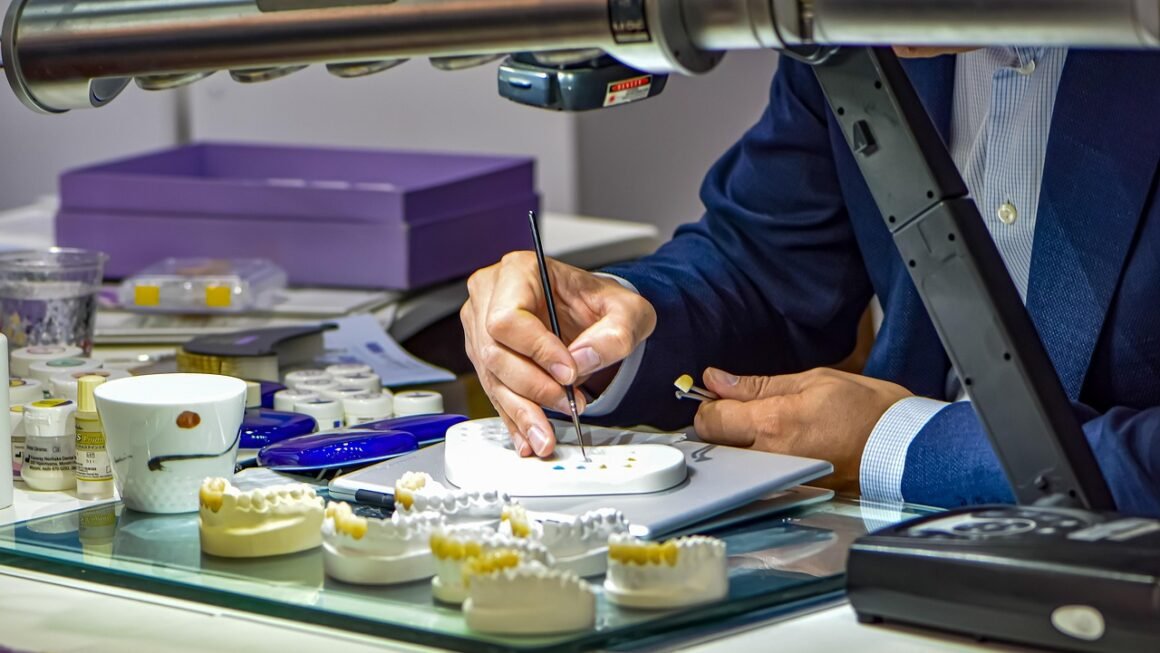
Thinking about brightening your smile? Teeth whitening is a popular cosmetic dentistry procedure that can significantly enhance your appearance. However, the cost of teeth whitening is often a primary concern. This comprehensive guide will break down the various teeth whitening options available, their associated costs, and factors that can influence the overall price. Let’s explore how you can achieve a dazzling smile without breaking the bank.
Understanding the Factors Influencing Teeth Whitening Cost
The cost of teeth whitening can vary widely depending on several factors. Understanding these variables is crucial when budgeting for your treatment.
Type of Whitening Procedure
- In-Office Whitening: This is typically the most expensive option. It involves a dentist applying a high-concentration bleaching agent, often activated by a special light or laser.
Example: Zoom! Whitening or Opalescence Boost.
Cost Range: $300 – $1,000 per treatment.
- At-Home Whitening Kits (Prescription): These kits are dispensed by your dentist and contain customized trays and professional-strength whitening gel.
Example: Custom-fitted trays with carbamide peroxide gel.
Cost Range: $200 – $600.
- Over-the-Counter (OTC) Whitening Products: These are the most affordable options and include whitening strips, toothpastes, and mouthwashes.
Example: Crest 3D White Strips, Colgate Optic White Toothpaste.
Cost Range: $20 – $100.
Geographic Location
The cost of dental procedures, including teeth whitening, often reflects the general cost of living in a particular area. You can expect to pay more in metropolitan areas compared to smaller towns.
- Example: Whitening in New York City may be significantly more expensive than in rural areas of Montana.
Dentist’s Experience and Expertise
A dentist with extensive experience and a strong reputation may charge more for their services. Their expertise can provide you with more predictable and safer results.
Severity of Staining
The extent of discoloration plays a role in determining the number of whitening sessions needed. Severe staining might require multiple in-office treatments or a combination of in-office and at-home methods.
- Example: Teeth stained by tetracycline antibiotics may require more aggressive whitening than those stained by coffee or tea.
Additional Dental Work Required
Sometimes, underlying dental issues such as cavities or gum disease need to be addressed before starting the whitening process. This can add to the overall cost.
Different Teeth Whitening Options and Their Costs
Choosing the right teeth whitening method depends on your budget, desired results, and the health of your teeth.
In-Office Teeth Whitening
In-office whitening offers the fastest and most dramatic results.
- Benefits:
Supervised by a dental professional.
High concentration of whitening agents for faster results.
Protection of gums and soft tissues.
- Procedure: The dentist applies a protective barrier to your gums and then applies the whitening gel to your teeth. A special light or laser may be used to activate the gel.
- Cost: $300 – $1,000 per session.
- Actionable Takeaway: This is the most effective option for achieving significant whitening in a short period, but it comes at a higher price point.
At-Home Whitening Kits (Prescription)
These kits provide a professional-grade whitening experience in the comfort of your own home.
- Benefits:
Custom-fitted trays for optimal gel coverage.
Higher concentration of whitening agents than OTC products.
Convenient and flexible.
- Procedure: The dentist takes impressions of your teeth to create custom trays. You will then receive whitening gel and instructions on how to use it.
- Cost: $200 – $600.
- Actionable Takeaway: This is a good middle-ground option that balances cost, effectiveness, and convenience.
Over-the-Counter (OTC) Whitening Products
OTC whitening products are readily available at pharmacies and supermarkets.
- Benefits:
Affordable and accessible.
Easy to use.
Minimal sensitivity risk (usually).
- Types:
Whitening Strips: Thin, flexible strips coated with a whitening gel.
Whitening Toothpastes: Contain mild abrasives to remove surface stains.
Whitening Mouthwashes: Help to prevent new stains from forming.
- Cost: $20 – $100.
- Actionable Takeaway: A budget-friendly option for minor stains and maintenance, but the results are generally less dramatic than professional treatments.
Cost-Effective Teeth Whitening Strategies
Achieving a whiter smile doesn’t always require a hefty investment. Here are some tips to minimize your teeth whitening expenses.
Preventative Measures
- Good Oral Hygiene: Brush and floss daily to prevent stains from forming.
- Limit Stain-Causing Foods and Drinks: Reduce consumption of coffee, tea, red wine, and dark-colored sodas.
- Regular Dental Checkups: Professional cleanings can remove surface stains and prevent discoloration.
- Actionable Takeaway: Proactive care is the best way to maintain a bright smile and reduce the need for extensive whitening treatments.
Explore Dental Insurance Coverage
- Check Your Policy: While most dental insurance plans don’t cover cosmetic procedures like teeth whitening, some may offer discounts or partial coverage.
- Membership Plans: Some dental offices offer membership plans that include discounts on various treatments, including whitening.
- Actionable Takeaway: Contact your insurance provider to understand your coverage options and potential cost savings.
Look for Special Offers and Promotions
- Dental Clinics: Many dental clinics offer promotional discounts on teeth whitening services, especially for new patients.
- Seasonal Deals: Keep an eye out for seasonal offers and promotions, such as during holidays or slow periods.
- Actionable Takeaway: Research local dental clinics and inquire about any available discounts or special offers.
Potential Risks and Side Effects of Teeth Whitening
It’s essential to be aware of potential side effects before undergoing any teeth whitening treatment.
Tooth Sensitivity
- Cause: Whitening agents can temporarily increase tooth sensitivity, particularly to hot and cold temperatures.
- Management: Use desensitizing toothpaste, such as Sensodyne, before and after treatment.
- Actionable Takeaway: If you experience sensitivity, inform your dentist, who can adjust the whitening treatment or recommend alternative methods.
Gum Irritation
- Cause: The whitening gel can sometimes irritate the gums, especially if it comes into direct contact with them.
- Management: Ensure proper tray fit (for at-home kits) and careful application of the whitening gel.
- Actionable Takeaway: If you experience gum irritation, stop the treatment and consult your dentist.
Uneven Whitening
- Cause: Pre-existing dental work, such as fillings or crowns, will not whiten and may become more noticeable after treatment.
- Management: Discuss any existing dental work with your dentist before starting the whitening process.
- Actionable Takeaway: Your dentist can help you plan the best approach to achieve even whitening results.
Conclusion
Understanding the factors influencing teeth whitening costs, exploring different options, and being aware of potential risks can help you make an informed decision that aligns with your budget and desired outcome. Whether you opt for professional in-office whitening, at-home kits, or over-the-counter products, maintaining good oral hygiene and consulting with your dentist are crucial steps towards achieving a brighter, healthier smile.