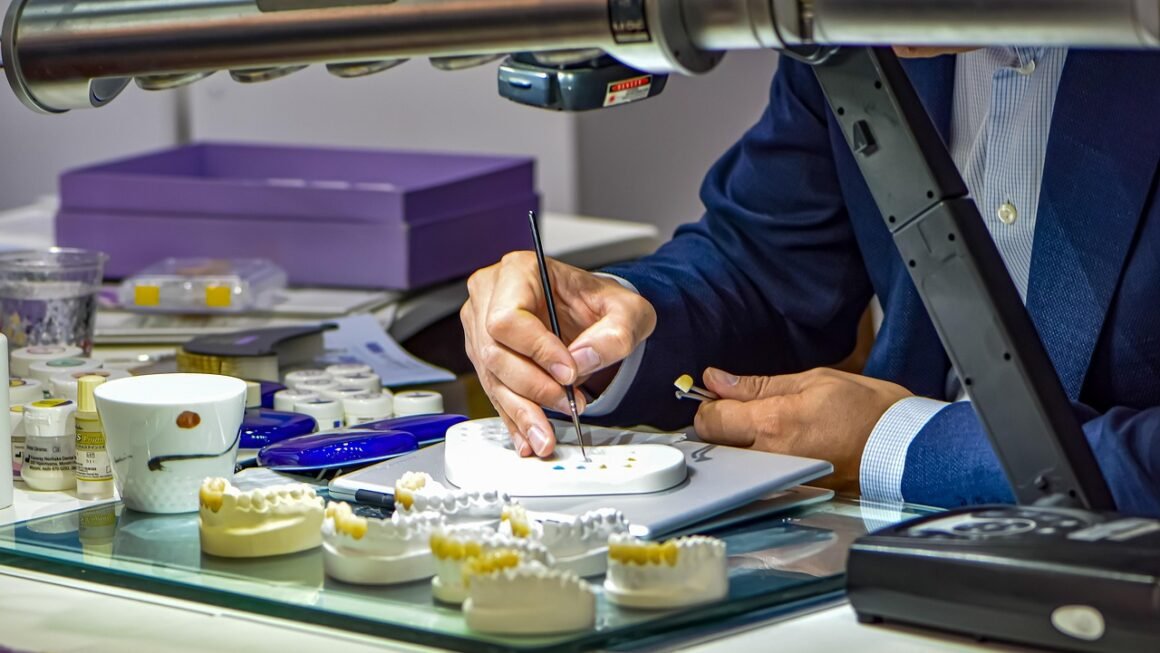
Want a brighter, more confident smile? Teeth whitening is one of the most popular cosmetic dental procedures available, capable of dramatically improving your appearance. But with so many options available, from over-the-counter products to professional treatments, it can be difficult to know where to start. This comprehensive guide will walk you through everything you need to know about teeth whitening, helping you make an informed decision about achieving the dazzling smile you’ve always wanted.
Understanding Teeth Whitening
What Causes Tooth Discoloration?
Tooth discoloration can result from various factors, both internal and external. Understanding these causes is key to choosing the right whitening approach.
- Extrinsic Stains: These occur on the tooth surface due to external factors like:
Food and Drinks: Coffee, tea, red wine, and soda are notorious stain culprits.
Tobacco Use: Smoking and chewing tobacco cause significant staining.
Poor Oral Hygiene: Inadequate brushing and flossing allow plaque and stains to accumulate.
- Intrinsic Stains: These are incorporated into the tooth structure and are more difficult to remove.
Aging: As we age, the outer enamel layer thins, revealing the yellower dentin underneath.
Medications: Certain medications, like tetracycline antibiotics, can cause permanent tooth discoloration, especially if taken during tooth development.
Trauma: Injury to a tooth can cause internal bleeding and discoloration.
Fluorosis: Excessive fluoride intake during tooth formation can lead to white or brown spots on the enamel.
How Teeth Whitening Works
Teeth whitening products typically contain hydrogen peroxide or carbamide peroxide. These agents break down the stains into smaller, less concentrated molecules, making the teeth appear whiter.
- Hydrogen Peroxide: A stronger bleaching agent, typically used in professional in-office treatments. It works faster than carbamide peroxide.
- Carbamide Peroxide: A slower-releasing form that breaks down into hydrogen peroxide. Commonly found in at-home whitening kits and custom trays.
- Practical Example: Imagine a coffee stain on a white shirt. The whitening agent is like a detergent that breaks down the stain molecules, making them less visible and restoring the shirt’s original color.
Types of Teeth Whitening Procedures
Professional In-Office Whitening
Professional in-office whitening is performed by a dentist and offers the most dramatic and quickest results.
- Procedure:
1. The dentist will first examine your teeth and gums to ensure you’re a good candidate for whitening.
2. Your gums and soft tissues are protected with a rubber dam or a paint-on barrier.
3. A high concentration of hydrogen peroxide gel is applied to the teeth.
4. A special light or laser may be used to activate the whitening gel and accelerate the process. (e.g., Zoom! Whitening).
5. The gel is removed, and the process may be repeated one or more times to achieve the desired shade.
- Benefits:
Significant whitening in a single visit (typically 1-2 hours).
Controlled and safe environment under professional supervision.
Protection of gums and soft tissues.
Often achieves the most dramatic and long-lasting results.
At-Home Whitening Kits (Prescribed by a Dentist)
These kits involve custom-fitted trays and a whitening gel provided by your dentist.
- Procedure:
1. The dentist takes impressions of your teeth to create custom-fitted trays.
2. You receive the trays and a whitening gel with specific instructions.
3. You fill the trays with the gel and wear them for a prescribed period (typically 30 minutes to a few hours) each day for a week or two.
- Benefits:
Custom-fitted trays ensure optimal gel contact with teeth.
Gradual whitening under the guidance of a dentist.
More convenient and affordable than in-office whitening.
- Example: Your dentist might prescribe a kit with 10% carbamide peroxide to be worn for 1 hour per day for 14 days.
Over-the-Counter (OTC) Whitening Products
OTC whitening products include whitening strips, gels, toothpaste, and mouthwashes.
- Whitening Strips: Thin, flexible strips coated with a whitening gel.
- Whitening Gels: Applied directly to the teeth with a brush.
- Whitening Toothpaste: Contains mild abrasives and chemicals to remove surface stains.
- Whitening Mouthwash: Contains hydrogen peroxide to help whiten teeth.
- Benefits:
Easily accessible and affordable.
Convenient to use at home.
- Drawbacks:
Lower concentration of whitening agents, resulting in less dramatic results.
One-size-fits-all approach, which may not be effective for everyone.
Potential for uneven whitening and gum irritation.
Preparing for Teeth Whitening
Consultation with Your Dentist
Before starting any whitening treatment, it’s crucial to consult with your dentist.
- Evaluation of Oral Health: Your dentist will examine your teeth and gums to ensure you’re a suitable candidate for whitening and address any underlying issues like cavities or gum disease.
- Discussion of Expectations: Your dentist will discuss your desired shade and help you understand realistic outcomes.
- Explanation of Different Options: Your dentist can recommend the most appropriate whitening method based on your individual needs and circumstances.
Addressing Sensitivity
Tooth sensitivity is a common side effect of teeth whitening.
- Using Desensitizing Toothpaste: Brush with desensitizing toothpaste containing potassium nitrate for a few weeks before and during whitening.
- Fluoride Treatments: Your dentist can apply fluoride treatments to strengthen enamel and reduce sensitivity.
- Adjusting Whitening Frequency: If you experience significant sensitivity, reduce the frequency or duration of your whitening treatments.
- Actionable Takeaway: Schedule a consultation with your dentist to discuss your oral health and determine the best whitening option for you.
Maintaining Your Whitened Smile
Oral Hygiene Practices
Maintaining good oral hygiene is essential to prolonging the results of teeth whitening.
- Brush and Floss Regularly: Brush your teeth twice a day with fluoride toothpaste and floss daily to remove plaque and prevent stain buildup.
- Limit Stain-Causing Foods and Drinks: Reduce your consumption of coffee, tea, red wine, soda, and other staining agents.
- Rinse After Consuming Staining Substances: Rinse your mouth with water after consuming staining foods or drinks to minimize their impact.
Touch-Up Treatments
Periodic touch-up treatments can help maintain your bright smile.
- At-Home Maintenance: Use whitening toothpaste or OTC whitening strips occasionally to remove surface stains.
- Professional Touch-Ups: Schedule periodic professional whitening treatments to maintain your desired shade. The frequency depends on your lifestyle and whitening method used initially.
- Statistics: According to the American Academy of Cosmetic Dentistry, teeth whitening can last from several months to a few years, depending on lifestyle and maintenance.
Potential Risks and Side Effects
Tooth Sensitivity
Tooth sensitivity is the most common side effect of teeth whitening.
- Cause: Whitening agents can temporarily open the pores in the enamel, exposing the underlying dentin and causing sensitivity to hot, cold, or sweet stimuli.
- Management: Use desensitizing toothpaste, fluoride treatments, and adjust whitening frequency.
Gum Irritation
Gum irritation can occur if the whitening gel comes into contact with the gums.
- Cause: The whitening agents can irritate the soft tissues of the gums.
- Management: Ensure proper application of whitening products and use custom-fitted trays to minimize contact with the gums. Rinse your mouth with water after whitening.
Uneven Whitening
Uneven whitening can result from pre-existing spots or restorations on the teeth.
- Considerations: Fillings and crowns do not whiten and may become more noticeable after whitening. Discuss with your dentist if you have restorations that may affect the outcome.
Conclusion
Teeth whitening is a safe and effective way to enhance your smile and boost your confidence. Understanding the different types of whitening procedures, preparing adequately, and maintaining good oral hygiene are crucial for achieving optimal and long-lasting results. By consulting with your dentist and following their recommendations, you can enjoy a brighter, more radiant smile that you’ll be proud to show off. Remember to prioritize your oral health and address any concerns with your dentist to ensure a successful and satisfying whitening experience.