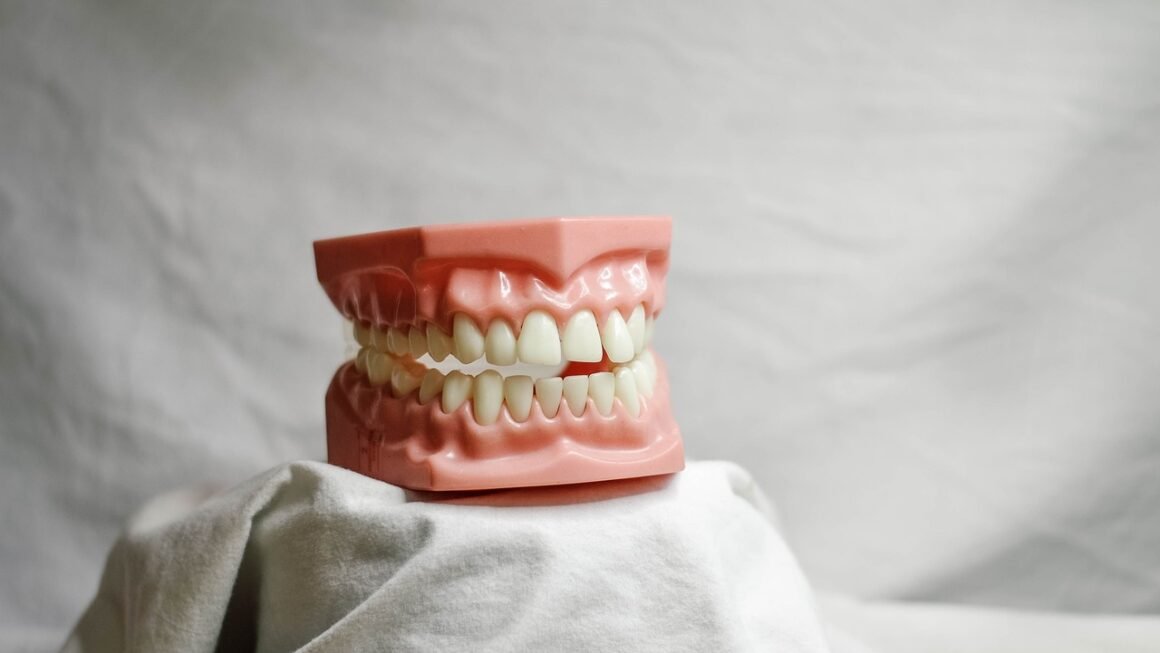
Maintaining excellent dental hygiene is more than just achieving a dazzling smile; it’s a crucial component of your overall health and well-being. Neglecting your teeth and gums can lead to a cascade of problems, from minor discomfort to severe health complications. This blog post delves into the profound importance of dental hygiene and provides actionable steps to ensure a healthy, radiant smile for years to come.
Understanding the Foundation of Dental Hygiene
What is Dental Hygiene?
Dental hygiene encompasses the practices and habits we employ to keep our teeth and gums clean and healthy. It involves preventing tooth decay (cavities), gum disease (gingivitis and periodontitis), and other oral health issues. Effective dental hygiene combines at-home care with regular professional dental check-ups and cleanings.
The Dental Hygiene Routine: A Daily Practice
A comprehensive dental hygiene routine involves:
- Brushing your teeth at least twice a day with fluoride toothpaste.
- Flossing daily to remove plaque and food particles from between your teeth and along the gumline.
- Using mouthwash to kill bacteria and freshen breath.
- Maintaining a balanced diet low in sugary and acidic foods and drinks.
- Visiting your dentist regularly for check-ups and professional cleanings.
The Far-Reaching Benefits of Good Oral Health
Preventing Cavities and Tooth Decay
One of the primary benefits of good dental hygiene is the prevention of cavities. Plaque, a sticky film of bacteria, constantly forms on your teeth. When you consume sugary or starchy foods, the bacteria in plaque produce acids that attack tooth enamel, leading to decay. Regular brushing and flossing remove plaque and neutralize these acids, protecting your teeth.
Example: After eating a sugary snack, rinse your mouth with water to help neutralize the acids and reduce the risk of decay. This is especially important if you cannot brush immediately.
Combatting Gum Disease (Periodontal Disease)
Gum disease, also known as periodontal disease, is an infection of the gums and bone that support your teeth. It starts with gingivitis, characterized by red, swollen, and bleeding gums. If left untreated, gingivitis can progress to periodontitis, a more severe form of gum disease that can lead to tooth loss. Proper brushing, flossing, and regular dental check-ups are essential for preventing and managing gum disease.
- Gingivitis: Early stage, reversible with good oral hygiene. Symptoms include red, swollen, and bleeding gums.
- Periodontitis: Advanced stage, irreversible damage to gums and bone. Can lead to tooth loss.
Protecting Overall Health
The benefits of good dental hygiene extend far beyond your mouth. Research has linked poor oral health to several systemic health conditions, including:
- Heart Disease: Bacteria from gum disease can enter the bloodstream and contribute to inflammation in the arteries, increasing the risk of heart attacks and strokes.
- Diabetes: Gum disease can make it more difficult to control blood sugar levels in people with diabetes. Conversely, poorly controlled diabetes can worsen gum disease.
- Respiratory Infections: Bacteria from the mouth can be inhaled into the lungs, potentially leading to pneumonia and other respiratory infections, particularly in individuals with compromised immune systems.
- Pregnancy Complications: Gum disease during pregnancy has been linked to premature birth and low birth weight.
Effective Brushing and Flossing Techniques
Mastering the Art of Brushing
Brushing your teeth effectively is crucial for removing plaque and preventing decay. Here are some key tips:
- Technique: Use a soft-bristled toothbrush and brush at a 45-degree angle to your gums. Use gentle, circular motions to clean all surfaces of each tooth.
- Duration: Brush for at least two minutes, ensuring you reach all areas of your mouth. A timer can be helpful.
- Frequency: Brush at least twice a day, ideally after meals.
- Toothpaste: Use fluoride toothpaste recommended by your dentist.
- Replacement: Replace your toothbrush every three months or sooner if the bristles are frayed.
The Importance of Daily Flossing
Flossing is essential for removing plaque and food particles from between your teeth, where your toothbrush can’t reach. Follow these tips for effective flossing:
- Technique: Use about 18 inches of floss and wrap it around your middle fingers, leaving a few inches to work with. Gently guide the floss between your teeth using a sawing motion.
- Reach: Curve the floss around each tooth and slide it gently under the gumline.
- Frequency: Floss at least once a day, preferably before bedtime.
- Alternatives: If you find traditional flossing difficult, consider using floss picks or interdental brushes.
The Role of Professional Dental Care
Regular Check-ups and Cleanings
Regular dental check-ups and professional cleanings are an essential part of maintaining good dental hygiene. During a check-up, your dentist can identify early signs of tooth decay, gum disease, and other oral health problems. Professional cleanings remove plaque and tartar (hardened plaque) that you can’t remove at home.
- Frequency: Most adults should visit the dentist every six months for a check-up and cleaning.
- Benefits:
Early detection of dental problems
Professional removal of plaque and tartar
Personalized oral hygiene advice
Oral cancer screening
Other Professional Dental Services
Dentists also offer a range of other services to improve your oral health, including:
- Fluoride Treatments: Strengthen tooth enamel and prevent decay.
- Sealants: Protective coatings applied to the chewing surfaces of molars to prevent cavities, especially for children.
- Orthodontics: Braces or aligners to correct misaligned teeth.
- Restorative Dentistry: Fillings, crowns, and bridges to repair damaged or missing teeth.
Diet and Lifestyle Factors Affecting Dental Health
The Impact of Diet on Your Teeth
Your diet plays a significant role in your dental health. Sugary and acidic foods and drinks can contribute to tooth decay and erosion. Limiting your intake of these items can help protect your teeth.
- Foods to Limit:
Sugary snacks and candies
Soda and fruit juices
Acidic fruits (lemons, limes, oranges)
Sticky foods (caramel, gummy candies)
- Foods to Embrace:
Crunchy fruits and vegetables (apples, carrots, celery)
Dairy products (milk, cheese, yogurt)
Lean protein (chicken, fish, beans)
Water
Lifestyle Habits That Impact Oral Health
Certain lifestyle habits can also affect your dental health. Smoking, for example, is a major risk factor for gum disease and oral cancer. Grinding your teeth (bruxism) can wear down tooth enamel and cause jaw pain.
- Smoking: Quit smoking to improve your oral and overall health.
- Bruxism: Consult your dentist about a mouthguard to protect your teeth from grinding.
- Alcohol Consumption: Limit alcohol intake, as excessive alcohol consumption can contribute to oral cancer.
Conclusion
Prioritizing dental hygiene is an investment in your long-term health and well-being. By incorporating effective brushing and flossing techniques into your daily routine, maintaining a healthy diet, and visiting your dentist regularly, you can protect your teeth and gums, prevent serious health problems, and enjoy a healthy, confident smile for years to come. Don’t underestimate the power of a clean mouth; it’s a gateway to a healthier, happier you.