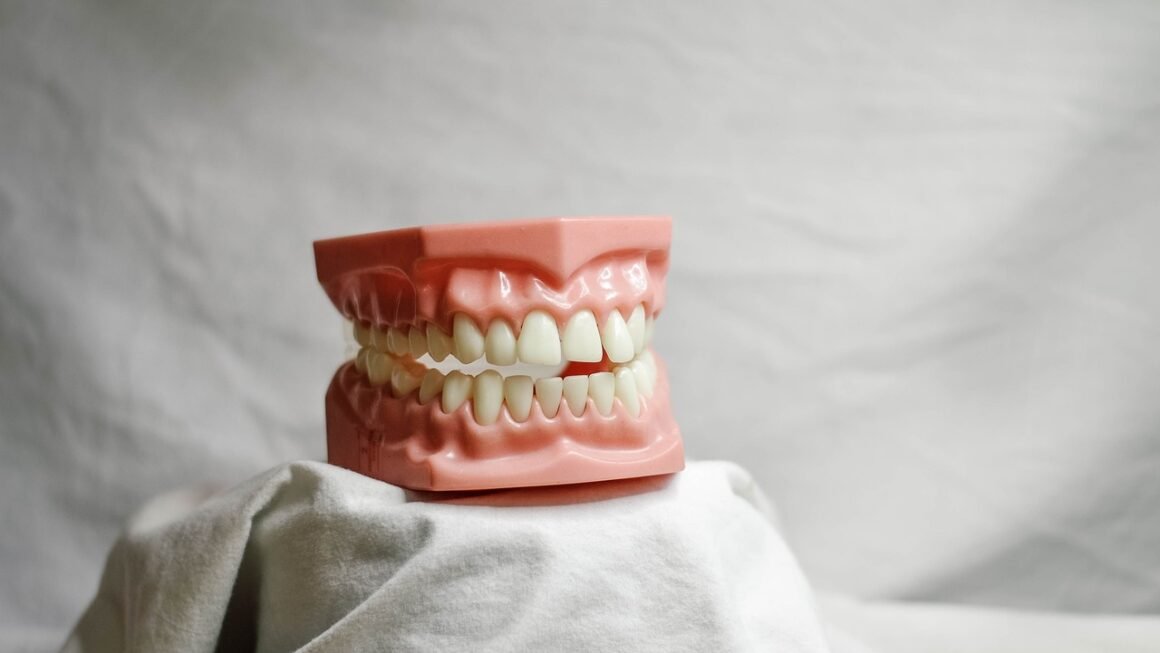
Feeling a sharp, sudden jolt of pain when you sip that morning coffee or bite into a cold ice cream? You’re likely experiencing tooth sensitivity, a common dental issue that can put a damper on your enjoyment of everyday foods and drinks. But what exactly causes this sensitivity, and more importantly, what can you do about it? This blog post delves into the causes, symptoms, and effective treatments for tooth sensitivity, helping you understand and manage this often-uncomfortable condition.
What is Tooth Sensitivity?
Tooth sensitivity, also known as dentin hypersensitivity, occurs when the underlying layer of your teeth, called dentin, becomes exposed. Dentin contains microscopic tubules that lead directly to the nerve of the tooth. When these tubules are exposed, hot, cold, sweet, or acidic substances can stimulate the nerve, causing a sharp, shooting pain. Understanding the underlying mechanics is key to addressing the issue effectively.
Prevalence of Tooth Sensitivity
Tooth sensitivity is surprisingly common. Studies suggest that approximately 1 in 8 adults experience some degree of tooth sensitivity. It can affect people of all ages, although it’s more prevalent in those between 20 and 40. Recognizing how widespread this issue is can encourage individuals to seek treatment and not simply endure the discomfort.
- Did you know? Some studies indicate that women are slightly more likely to experience tooth sensitivity than men.
Differentiating Sensitivity from Other Dental Pain
It’s crucial to distinguish tooth sensitivity from other types of dental pain. A persistent, throbbing ache could indicate a cavity, infection, or other serious issue requiring immediate dental attention. Sensitivity is typically a fleeting, sharp pain triggered by specific stimuli, resolving quickly once the stimulus is removed. If your pain lingers or is accompanied by swelling, redness, or fever, consult your dentist promptly.
Causes of Tooth Sensitivity
Several factors can contribute to the development of tooth sensitivity. Identifying the cause is the first step in effectively managing and treating the condition.
Enamel Erosion
The enamel is the hard, protective outer layer of your teeth. When enamel erodes, the dentin underneath becomes exposed, leading to sensitivity.
- Aggressive Brushing: Brushing too hard or using a hard-bristled toothbrush can wear down enamel over time. Use a soft-bristled brush and gentle circular motions.
- Acidic Foods and Drinks: Frequent consumption of acidic foods and drinks like citrus fruits, soda, and fruit juices can erode enamel. Rinse your mouth with water after consuming these items.
- Teeth Grinding (Bruxism): Grinding your teeth, especially at night, can wear down enamel and expose dentin. A night guard can help protect your teeth.
Gum Recession
Gum recession, where the gums pull back from the teeth, exposes the root surface, which is more sensitive than enamel.
- Periodontal Disease: Gum disease is a major cause of gum recession. Maintaining good oral hygiene, including regular brushing and flossing, can help prevent gum disease.
- Aggressive Brushing: As mentioned above, aggressive brushing can also contribute to gum recession.
- Genetics: In some cases, gum recession is hereditary.
Dental Procedures
Some dental procedures can temporarily cause tooth sensitivity.
- Teeth Whitening: Whitening treatments can sometimes cause temporary sensitivity. Using a desensitizing toothpaste before and after whitening can help.
- Fillings, Crowns, and Other Restorations: The process of placing or replacing fillings, crowns, or other restorations can sometimes irritate the tooth and cause sensitivity. This usually resolves within a few weeks.
Other Potential Causes
- Cracked Teeth: A cracked tooth can expose the dentin and cause sensitivity, especially when biting down.
- Dental Decay (Cavities): Cavities can erode enamel and expose dentin, leading to sensitivity.
- Acid Reflux (GERD): Stomach acid can erode enamel, causing sensitivity.
Managing Tooth Sensitivity
Fortunately, there are several effective ways to manage and alleviate tooth sensitivity.
Over-the-Counter Treatments
- Desensitizing Toothpaste: These toothpastes contain ingredients like potassium nitrate or stannous fluoride, which help block the tubules in the dentin, reducing nerve stimulation. Use them consistently, as it may take a few weeks to notice a significant difference. Example: Sensodyne Repair & Protect.
- Fluoride Mouthwash: Fluoride helps strengthen enamel and can reduce sensitivity. Use a fluoride mouthwash daily, as directed.
Professional Treatments
If over-the-counter treatments aren’t enough, your dentist can offer several professional options.
- Fluoride Varnish: Your dentist can apply a fluoride varnish to your teeth, which helps strengthen enamel and reduce sensitivity. This is a quick and painless procedure.
- Dentin Sealers: These sealers are applied to the exposed dentin to block the tubules and reduce sensitivity.
- Bonding Agents: Bonding agents can be used to cover the exposed root surfaces and protect them from stimuli.
- Gum Graft Surgery: In cases of severe gum recession, a gum graft can be performed to cover the exposed root surfaces.
- Root Canal: In severe cases where sensitivity is caused by irreversible damage to the tooth’s nerve, a root canal may be necessary.
Lifestyle Adjustments
Making certain lifestyle changes can also help reduce tooth sensitivity.
- Use a Soft-Bristled Toothbrush: As mentioned earlier, using a soft-bristled toothbrush and gentle brushing techniques is crucial.
- Avoid Acidic Foods and Drinks: Limit your consumption of acidic foods and drinks, and rinse your mouth with water after consuming them.
- Use Fluoridated Toothpaste and Mouthwash: Fluoride helps strengthen enamel and reduce sensitivity.
- Address Teeth Grinding: If you grind your teeth, especially at night, talk to your dentist about getting a night guard.
- Proper Oral Hygiene: Brush twice daily and floss daily to prevent gum disease and maintain good oral health.
Preventing Tooth Sensitivity
Prevention is always better than cure. By adopting good oral hygiene habits and making informed lifestyle choices, you can significantly reduce your risk of developing tooth sensitivity.
Maintaining Good Oral Hygiene
- Brush Twice Daily: Brush your teeth twice daily for two minutes each time, using a soft-bristled toothbrush and fluoride toothpaste.
- Floss Daily: Floss daily to remove plaque and food particles from between your teeth.
- Use a Fluoride Mouthwash: Use a fluoride mouthwash daily to help strengthen enamel.
Dietary Considerations
- Limit Acidic Foods and Drinks: Reduce your consumption of acidic foods and drinks, such as citrus fruits, soda, and fruit juices.
- Rinse After Acidic Consumption: Rinse your mouth with water after consuming acidic foods and drinks.
- Chew Sugar-Free Gum: Chewing sugar-free gum can stimulate saliva flow, which helps neutralize acids in the mouth.
Regular Dental Check-ups
- Visit Your Dentist Regularly: Regular dental check-ups and cleanings are essential for preventing and detecting dental problems early, including tooth sensitivity.
- Professional Cleaning: Professional cleanings remove plaque and tartar buildup, which can contribute to gum disease and sensitivity.
Conclusion
Tooth sensitivity is a common but manageable condition. Understanding the causes, symptoms, and available treatments is the first step towards finding relief. By adopting good oral hygiene habits, making informed dietary choices, and seeking professional dental care when needed, you can effectively manage and prevent tooth sensitivity, allowing you to enjoy your favorite foods and drinks without discomfort. Don’t let tooth sensitivity control your life – take proactive steps to protect your teeth and maintain a healthy, pain-free smile.