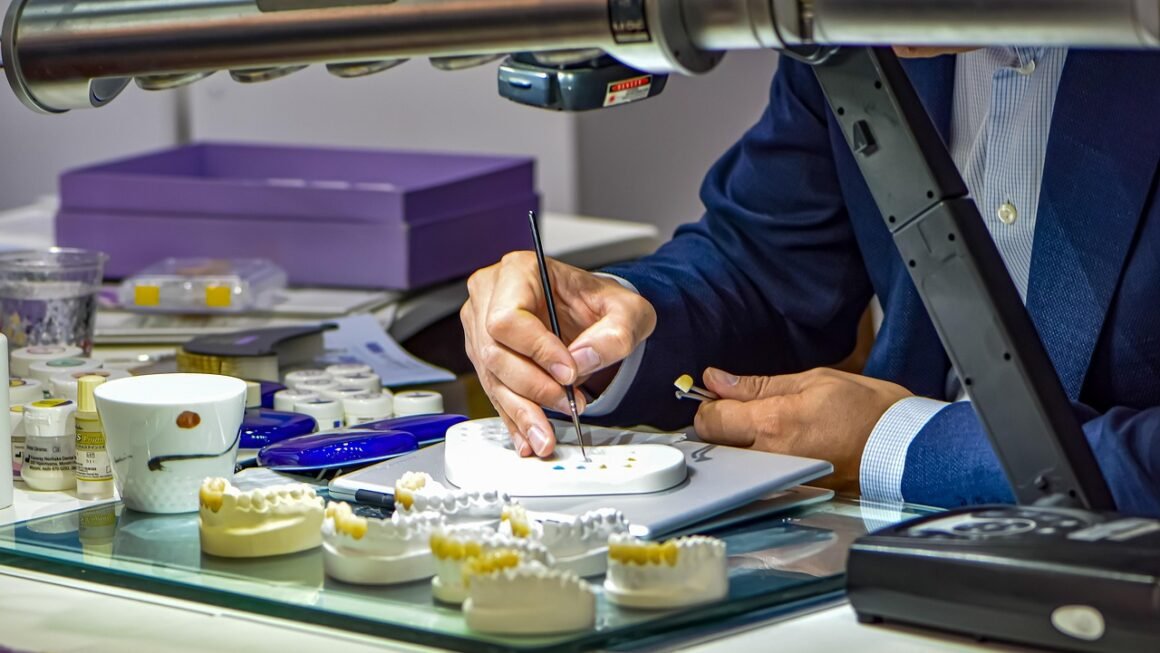
Teeth whitening has become increasingly popular as people seek brighter, more confident smiles. But before diving into the world of whiter teeth, it’s essential to understand the costs involved. This comprehensive guide will explore the various teeth whitening options available, their associated costs, and factors influencing these prices, enabling you to make an informed decision that fits your budget and desired results.
Understanding Teeth Whitening Options
In-Office Teeth Whitening
- Description: Professional teeth whitening performed by a dentist or dental hygienist. This typically involves applying a high-concentration bleaching gel to the teeth after protecting the gums. A special light or laser may be used to activate the gel and accelerate the whitening process.
- Cost Range: $500 – $1,000 per treatment.
- Example: A single session of Zoom! Whitening, a popular in-office treatment, often costs between $500 and $800.
- Benefits:
Faster results compared to at-home methods.
Dentist supervision ensures safety and minimizes sensitivity.
More dramatic and consistent whitening.
At-Home Whitening Trays (Professional)
- Description: Custom-fitted trays provided by your dentist, along with a whitening gel. The trays are worn for a specific amount of time each day or night, typically for several weeks.
- Cost Range: $300 – $600.
- Example: A dentist may recommend wearing the trays for 30 minutes to an hour each day for two weeks.
- Benefits:
Custom fit maximizes contact with the teeth and reduces gum irritation.
Stronger whitening gel than over-the-counter options.
Convenient to use at home.
Over-the-Counter (OTC) Whitening Products
- Description: Includes whitening strips, gels, toothpastes, and mouthwashes available at drugstores and online retailers. These products contain lower concentrations of bleaching agents compared to professional treatments.
- Cost Range: $20 – $100.
- Example: A box of Crest 3D White Whitestrips costs approximately $40-$50.
- Benefits:
Most affordable teeth whitening option.
Easily accessible and convenient.
* Can provide noticeable whitening over time with consistent use.
Factors Influencing Teeth Whitening Costs
Location
- Geographic Location: The cost of dental procedures, including teeth whitening, can vary significantly depending on where you live. Cities with higher costs of living tend to have pricier dental services. For example, you might find in-office whitening is considerably more expensive in New York City compared to a smaller town in the Midwest.
- Dentist’s Overhead: A dental practice’s operating expenses, such as rent, staff salaries, and equipment costs, influence their pricing.
Whitening Method
- In-Office vs. At-Home: As mentioned earlier, in-office treatments are generally more expensive due to the use of stronger bleaching agents and the dentist’s time and expertise. At-home options like custom trays are less expensive, while OTC products are the most budget-friendly.
- Complexity of Case: The severity of tooth staining or discoloration can impact the number of treatments required, thereby increasing the overall cost.
Dentist’s Experience and Reputation
- Expertise: Experienced dentists with a proven track record in cosmetic dentistry often charge higher fees. They might employ advanced techniques and technologies to achieve optimal results.
- Reputation: A dentist with a strong reputation for quality care and patient satisfaction may also command higher prices.
Additional Dental Work
- Pre-Whitening Cleaning: It’s generally recommended to have a professional dental cleaning before undergoing teeth whitening to remove plaque and tartar, ensuring the bleaching agent can effectively reach the tooth enamel. This cleaning will add to the overall cost.
- Treatment of Underlying Issues: If you have cavities, gum disease, or other dental problems, these will need to be addressed before teeth whitening.
Understanding Insurance Coverage
Limited Coverage
- Cosmetic Procedure: Teeth whitening is generally considered a cosmetic procedure, and most dental insurance plans do not cover it. However, there are exceptions.
- Medical Necessity: In some cases, teeth whitening might be covered if it’s deemed medically necessary, such as when discoloration is caused by a medical condition or medication. However, these instances are rare.
- Flex Spending Accounts (FSA) and Health Savings Accounts (HSA): You can often use funds from your FSA or HSA to pay for teeth whitening. Check with your plan provider to confirm eligibility.
Financing Options
- Payment Plans: Many dental offices offer payment plans or financing options to make teeth whitening more accessible.
- Dental Credit Cards: Consider using a dental credit card with a low-interest rate to finance the procedure.
- Discounts: Look for promotions or discounts offered by dental practices, especially for new patients.
Maintaining Your Whitened Smile
Proper Oral Hygiene
- Brushing and Flossing: Brush your teeth at least twice a day with fluoride toothpaste and floss daily to remove plaque and prevent staining.
- Regular Dental Checkups: Visit your dentist for regular checkups and cleanings to maintain optimal oral health and a bright smile.
- Touch-Up Treatments: Depending on the whitening method used and your lifestyle habits, you may need occasional touch-up treatments to maintain the desired level of whiteness.
Lifestyle Choices
- Avoid Staining Foods and Drinks: Limit consumption of coffee, tea, red wine, and other staining substances.
- Quit Smoking: Smoking can cause significant tooth discoloration. Quitting smoking will not only improve your oral health but also help maintain a whiter smile.
- Use a Straw: When consuming staining beverages, use a straw to minimize contact with your teeth.
Conclusion
Choosing the right teeth whitening method involves understanding the various options available, their associated costs, and factors that influence pricing. By carefully considering your budget, desired results, and consulting with your dentist, you can achieve a brighter, more confident smile that lasts. Remember to prioritize proper oral hygiene and lifestyle choices to maintain your whitened smile for years to come.