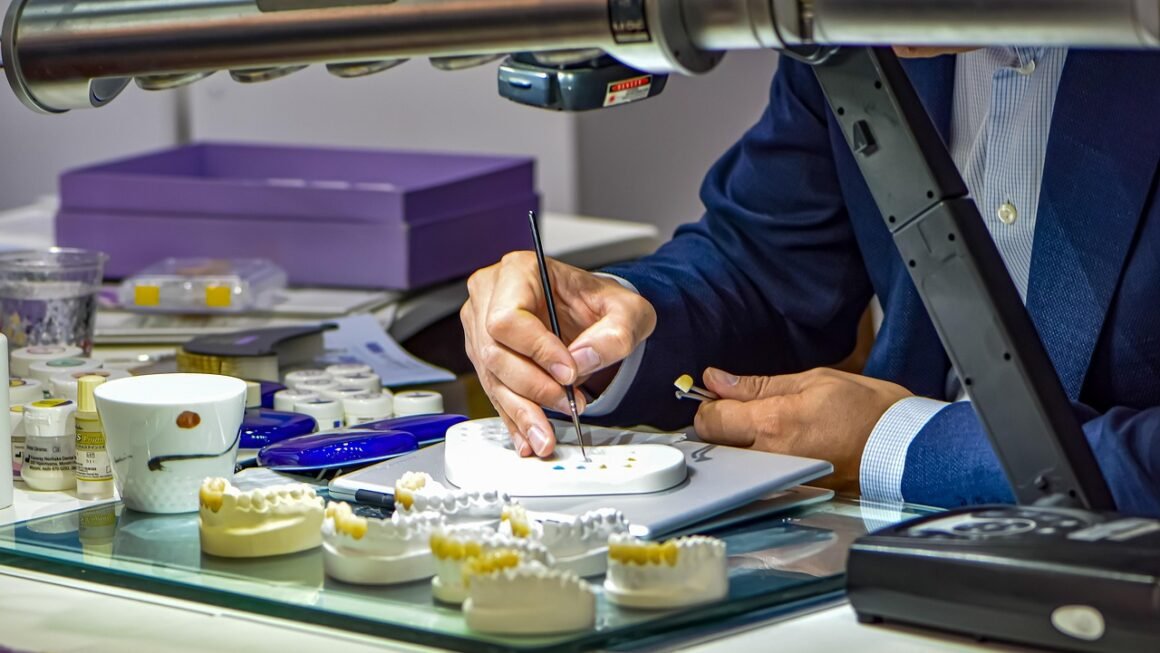
Are you dreaming of a brighter, more confident smile? Teeth whitening is a popular and effective cosmetic dentistry procedure that can dramatically improve the appearance of your teeth. From over-the-counter solutions to professional treatments, there’s a whitening option for almost everyone. This guide will walk you through the various teeth whitening procedures, helping you understand the process, benefits, and what to expect.
Understanding Teeth Whitening
What Causes Teeth Staining?
Teeth staining is a common issue that can be caused by a variety of factors. Identifying the cause can help you choose the most effective whitening method.
- Diet: Coffee, tea, red wine, and certain fruits and vegetables (like berries and beets) contain pigments that can stain tooth enamel.
- Tobacco Use: Smoking or chewing tobacco significantly contributes to tooth discoloration.
- Poor Oral Hygiene: Inadequate brushing and flossing allow plaque and tartar to build up, leading to staining.
- Age: As we age, the enamel on our teeth thins, making them more susceptible to staining.
- Medications: Certain medications, such as tetracycline, can cause intrinsic staining (staining within the tooth structure).
- Trauma: Injuries to the teeth can sometimes lead to discoloration.
- Actionable Takeaway: Identifying the root cause of your teeth staining can help you make informed decisions about the best whitening treatment for your needs.
Types of Teeth Stains
Understanding the type of stain is important when choosing a whitening method. There are two main categories:
- Extrinsic Stains: These are surface stains caused by external factors like food, drinks, and tobacco. They are typically easier to remove with brushing, whitening toothpaste, and professional cleaning.
- Intrinsic Stains: These are stains that occur within the tooth structure, often caused by medications, trauma, or excessive fluoride exposure during tooth development. They are more difficult to remove and often require professional whitening treatments.
- Example: Someone who drinks coffee regularly will likely have extrinsic stains, which can be addressed with whitening toothpaste and occasional professional cleaning. In contrast, someone with tetracycline staining will need professional whitening procedures like in-office bleaching.
Over-the-Counter Teeth Whitening Options
Whitening Toothpastes
Whitening toothpastes are readily available and a convenient way to maintain a brighter smile.
- Mechanism: They contain mild abrasives and chemicals like hydrogen peroxide or carbamide peroxide to remove surface stains.
- Effectiveness: Whitening toothpastes are primarily effective for removing extrinsic stains and may only provide a subtle whitening effect.
- Considerations: Excessive use of whitening toothpastes can lead to tooth sensitivity and enamel erosion.
- Practical Tip: Look for whitening toothpastes with the ADA Seal of Acceptance, which indicates that the product has been tested for safety and effectiveness.
Whitening Strips
Whitening strips are thin, flexible strips coated with a peroxide-based gel that you apply to your teeth.
- Mechanism: The gel releases hydrogen peroxide or carbamide peroxide, which penetrates the enamel and breaks down stain molecules.
- Effectiveness: Whitening strips can provide noticeable results, typically lightening teeth by 1-2 shades.
- Usage: They usually need to be applied for 30 minutes to an hour, once or twice a day, for several weeks.
- Example: Crest 3D White Whitestrips are a popular and widely available option.
- Practical Tip: Follow the instructions carefully and avoid leaving the strips on for longer than recommended, as this can increase the risk of sensitivity.
Whitening Gels and Trays (OTC)
Over-the-counter whitening gels and trays involve applying a peroxide-based gel to your teeth using a tray.
- Mechanism: Similar to whitening strips, the gel whitens teeth via hydrogen or carbamide peroxide.
- Effectiveness: Generally more effective than whitening toothpastes but less effective than professional treatments.
- Customization: OTC trays are typically one-size-fits-all, which may lead to uneven whitening or gum irritation.
- Consideration: Because the trays are not custom-fitted, the whitening gel might irritate your gums if it comes into contact with them.
Professional Teeth Whitening Procedures
In-Office Teeth Whitening
In-office teeth whitening, also known as chair-side bleaching, is performed by a dentist and provides the most dramatic and fastest results.
- Procedure: The dentist applies a high-concentration hydrogen peroxide gel to your teeth, often activated by a special light or laser.
- Benefits:
Faster Results: Teeth can be whitened several shades in a single visit.
Professional Supervision: A dentist can monitor the process and minimize the risk of sensitivity or gum irritation.
Customized Treatment: The dentist can adjust the concentration of the whitening gel to meet your specific needs and goals.
- Example: Zoom! Whitening is a popular in-office treatment that uses a special light to activate the hydrogen peroxide gel.
- Statistics: According to the American Academy of Cosmetic Dentistry, professional teeth whitening can lighten teeth by up to eight shades.
Custom Tray Whitening (Take-Home Kit)
Dentists can also provide custom-fitted trays and a professional-strength whitening gel for you to use at home.
- Procedure: The dentist takes impressions of your teeth to create custom trays that fit snugly. You then fill the trays with the whitening gel and wear them for a specified amount of time each day.
- Benefits:
More Effective Than OTC Options: Custom trays ensure that the whitening gel is in close contact with your teeth, leading to more even and effective results.
Lower Risk of Gum Irritation: The custom fit minimizes the risk of the gel coming into contact with your gums.
Convenience: You can whiten your teeth in the comfort of your own home, at your own pace.
- Example: A dentist might provide a kit with 10% carbamide peroxide gel to be used for 1-2 hours each day for two weeks.
- Actionable Takeaway: Consulting with your dentist to determine the most suitable professional whitening method is crucial for achieving optimal results.
Maintaining Your Whitened Smile
Oral Hygiene Practices
Maintaining good oral hygiene is essential for keeping your teeth white and preventing future staining.
- Brush Twice Daily: Use fluoride toothpaste to remove plaque and surface stains.
- Floss Daily: Flossing removes plaque and food particles from between your teeth, where your toothbrush can’t reach.
- Regular Dental Checkups: Professional cleanings remove stubborn plaque and tartar, which can contribute to staining.
- Practical Tip: Consider using an electric toothbrush, as they are more effective at removing plaque than manual toothbrushes.
Dietary Considerations
Being mindful of your diet can help prevent staining and prolong the results of your whitening treatment.
- Limit Stain-Causing Foods and Drinks: Reduce your consumption of coffee, tea, red wine, and dark-colored foods.
- Rinse After Consuming Stain-Causing Substances: Rinsing your mouth with water after drinking coffee or red wine can help prevent staining.
- Use a Straw: Drinking through a straw can minimize contact between stain-causing beverages and your teeth.
- Example: After drinking coffee, rinse your mouth with water or chew sugar-free gum to stimulate saliva production, which helps neutralize acids and wash away stain-causing particles.
Touch-Up Treatments
Even with good oral hygiene and dietary habits, teeth can gradually become stained over time.
- Periodic Whitening: Consider using whitening toothpaste or strips periodically to maintain your desired level of whiteness.
- Professional Touch-Ups: Your dentist may recommend occasional in-office or take-home whitening treatments to refresh your smile.
- Actionable Takeaway: Develop a maintenance plan with your dentist to keep your teeth looking their best long after the initial whitening treatment.
Conclusion
Teeth whitening is a safe and effective way to enhance your smile and boost your confidence. Whether you choose over-the-counter options or professional treatments, understanding the process and adopting good oral hygiene habits are key to achieving and maintaining a brighter, whiter smile. Consult with your dentist to determine the best whitening method for your individual needs and goals. By taking proactive steps, you can enjoy a radiant smile for years to come.