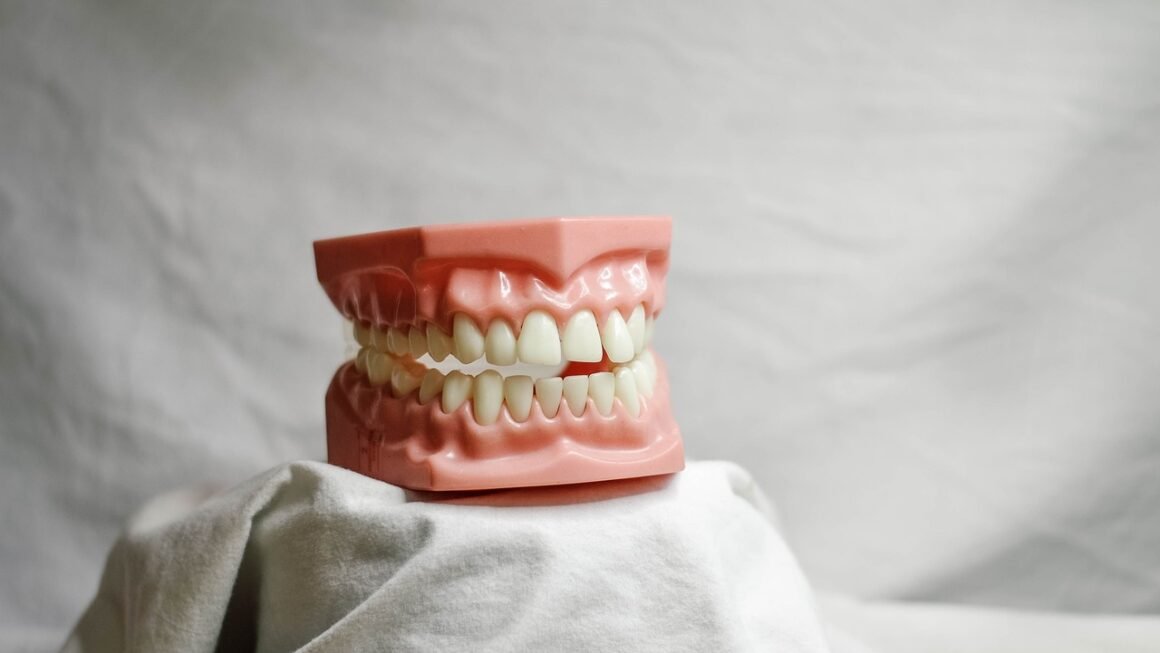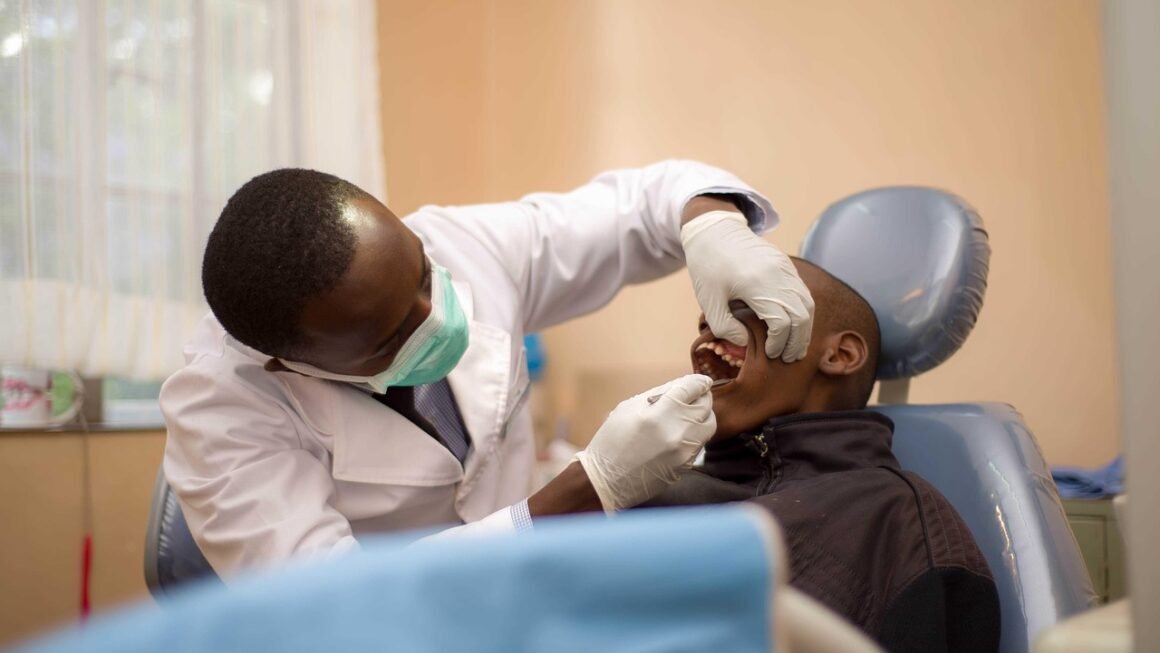
Maintaining a bright, healthy smile is more than just brushing and flossing; it’s about investing in preventative dental care through regular checkups. Knowing the right dental checkup schedule for you can significantly impact your oral health, helping you avoid costly and uncomfortable dental problems down the line. This guide will explore the optimal dental checkup schedule and explain why these visits are so crucial for maintaining a lifetime of healthy smiles.
Why Regular Dental Checkups Matter
Early Detection of Dental Issues
Regular dental checkups are critical for early detection of potential problems. Dentists are trained to spot subtle signs of issues like cavities, gum disease (gingivitis and periodontitis), and even oral cancer that you might not notice on your own.
- Cavities: Small cavities are much easier and cheaper to treat than large ones that require root canals.
- Gum Disease: Early detection of gingivitis can prevent its progression to periodontitis, which can lead to tooth loss.
- Oral Cancer: Regular screenings can catch oral cancer in its early stages when treatment is most effective. According to the Oral Cancer Foundation, early detection drastically improves survival rates.
Professional Cleaning and Plaque Removal
Even with diligent brushing and flossing, plaque and tartar (hardened plaque) can build up, especially in hard-to-reach areas. Dental hygienists use specialized tools to remove this buildup, preventing cavities and gum disease.
- Plaque: A sticky film of bacteria that constantly forms on teeth.
- Tartar (Calculus): Hardened plaque that can only be removed by a dental professional.
- Example: A patient who skipped their dental checkup for two years developed significant tartar buildup. The hygienist’s thorough cleaning removed the tartar, preventing further gum irritation and potential cavities.
Maintaining Overall Health
Oral health is directly linked to overall health. Some studies suggest a connection between gum disease and conditions like heart disease, diabetes, and respiratory infections. Regular dental checkups can contribute to overall well-being.
- Heart Disease: Inflammation from gum disease can potentially worsen heart conditions.
- Diabetes: Gum disease can make it harder to control blood sugar levels in people with diabetes.
Recommended Dental Checkup Schedule
General Guidelines: Every Six Months
For most adults and children, the standard recommendation is to visit the dentist every six months for a routine checkup and cleaning. This frequency allows for early detection and preventative care.
- Rationale: Six-month intervals strike a balance between proactive care and managing costs.
- Exceptions: Individuals with certain risk factors may need more frequent visits.
Individualized Schedules: Risk Factors
Your dentist might recommend a different schedule based on your individual risk factors, such as:
- History of Cavities: If you’re prone to cavities, more frequent checkups can help catch them early.
- Gum Disease: Individuals with gum disease typically require more frequent cleanings and treatments.
- Diabetes: Regular dental care is crucial for managing blood sugar levels and preventing complications.
- Smoking: Smoking significantly increases the risk of gum disease and oral cancer, warranting more frequent monitoring.
- Weakened Immune System: Individuals with compromised immune systems may be more susceptible to oral infections.
- Example: A patient with diabetes may be advised to have dental checkups every three to four months to manage their gum health effectively.
Children’s Dental Checkup Schedule
Children should have their first dental visit within six months of the eruption of their first tooth or by their first birthday, whichever comes first. After the initial visit, follow the dentist’s recommendations, which are often every six months.
- Early Intervention: Establishes good oral hygiene habits from a young age.
- Monitoring Development: Allows the dentist to monitor the development of teeth and jaws.
- Fluoride Treatment: Regular fluoride applications can help strengthen tooth enamel and prevent cavities.
What to Expect During a Dental Checkup
Examination and Diagnosis
The dentist will perform a comprehensive examination of your teeth, gums, and mouth. This includes:
- Visual Examination: Checking for cavities, gum disease, and other abnormalities.
- X-rays: Taking X-rays to detect hidden problems, such as decay between teeth or bone loss.
- Oral Cancer Screening: Examining the mouth for any signs of oral cancer.
Professional Cleaning
A dental hygienist will perform a professional cleaning to remove plaque and tartar.
- Scaling: Removing plaque and tartar from the surfaces of teeth.
- Polishing: Smoothing the teeth to remove stains and make it harder for plaque to adhere.
- Fluoride Treatment: Applying fluoride to strengthen tooth enamel.
Discussing Oral Hygiene Practices
Your dentist or hygienist will discuss your current oral hygiene practices and provide recommendations for improvement.
- Brushing Technique: Proper brushing technique and frequency.
- Flossing Technique: Proper flossing technique and frequency.
- Mouthwash Recommendations: Whether or not to use mouthwash and which type.
- Example: A patient who brushes their teeth but forgets to floss receives a demonstration on proper flossing technique from the hygienist, along with a recommendation to floss daily.
Overcoming Barriers to Regular Checkups
Addressing Dental Anxiety
Dental anxiety is a common reason why people avoid regular checkups. Communicate your fears to your dentist, who can offer various strategies to help you feel more comfortable.
- Open Communication: Discussing your fears with your dentist.
- Relaxation Techniques: Practicing deep breathing or meditation.
- Sedation Options: In some cases, sedation dentistry may be an option.
Managing Costs
Dental care can be expensive, but preventative care is often more cost-effective in the long run.
- Dental Insurance: Utilizing dental insurance to help cover the cost of checkups and treatments.
- Payment Plans: Many dental offices offer payment plans to make treatment more affordable.
- Community Dental Clinics: Exploring low-cost dental clinics in your area.
Time Constraints
Making time for dental checkups can be challenging, but prioritizing your oral health is an investment in your overall well-being.
- Scheduling in Advance: Scheduling appointments well in advance to secure a convenient time.
- Lunchtime Appointments: Utilizing lunchtime appointments to minimize disruption to your workday.
- Choosing a Convenient Location:* Selecting a dental office that is close to your home or work.
Conclusion
Maintaining a consistent dental checkup schedule is paramount for preserving a healthy and radiant smile. By understanding the importance of these regular visits, identifying your individual risk factors, and addressing any barriers to care, you can take proactive steps to safeguard your oral and overall health. Remember, preventative care is an investment that pays dividends in the form of a lifetime of confident smiles.