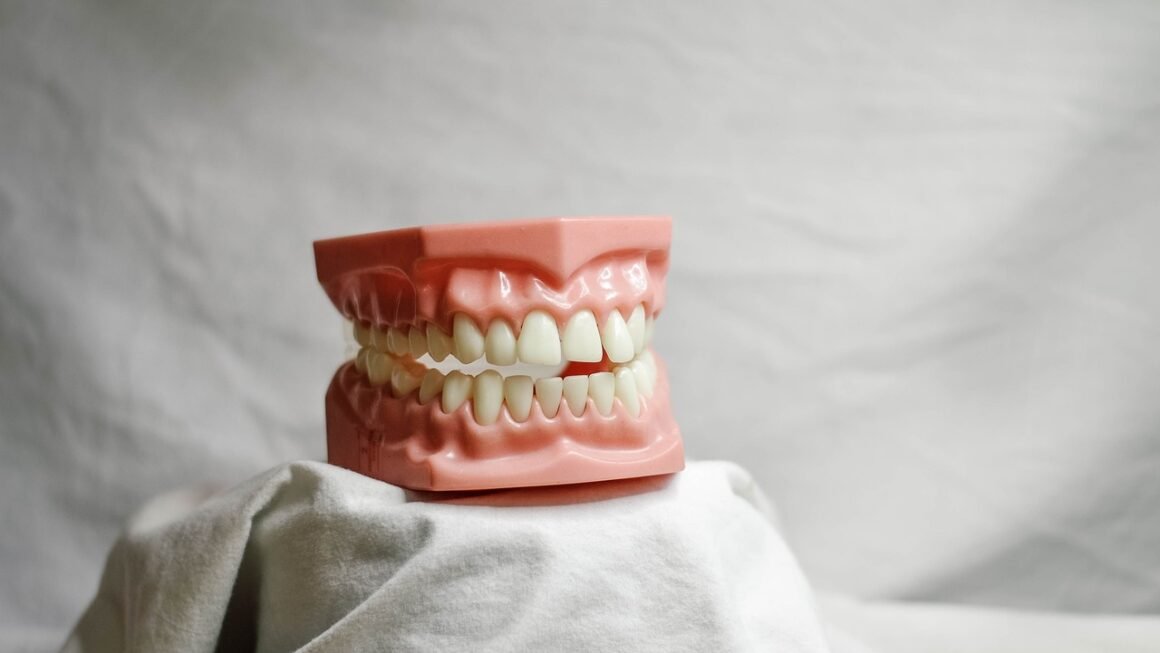
Maintaining excellent dental hygiene is more than just brushing your teeth; it’s a comprehensive approach to oral health that contributes significantly to your overall well-being. A healthy mouth not only ensures a bright smile but also prevents a host of problems, from cavities and gum disease to more serious systemic conditions. This blog post will delve into essential dental hygiene practices, providing you with the knowledge and tools you need to achieve and maintain optimal oral health.
The Importance of Brushing
Choosing the Right Toothbrush
Selecting the right toothbrush is the first step towards effective brushing. Look for a toothbrush with soft bristles to avoid damaging your gums and enamel. Electric toothbrushes can be particularly effective as they often have built-in timers and pressure sensors to ensure optimal cleaning.
- Soft Bristles: Prevent gum recession and enamel erosion.
- Size: Choose a size that allows you to easily reach all areas of your mouth.
- Electric vs. Manual: Both can be effective, but electric toothbrushes often offer added features.
Proper Brushing Technique
Brushing correctly is just as important as brushing frequently. Use gentle, circular motions, and ensure you reach all surfaces of your teeth.
- Angle: Hold the toothbrush at a 45-degree angle to your gums.
- Motion: Use small, circular motions to clean each tooth.
- Duration: Brush for at least two minutes, ensuring all surfaces (front, back, top) are covered.
- Don’t forget your tongue! Brushing your tongue helps remove bacteria and freshen your breath.
Frequency of Brushing
Dentists recommend brushing your teeth at least twice a day – once in the morning and once before bed. Brushing before bed is crucial to remove plaque and bacteria that have accumulated throughout the day. If possible, brushing after meals can also be beneficial.
- Morning: Helps remove bacteria that have built up overnight.
- Evening: Cleans away food particles and plaque from the day.
- After Meals: Can help prevent acid attacks on your enamel.
The Power of Flossing
Why Floss?
Flossing is essential for removing plaque and food particles from between your teeth and along the gumline, areas that your toothbrush can’t reach. It helps prevent cavities and gum disease.
- Removes Plaque: Prevents plaque buildup between teeth.
- Prevents Gum Disease: Reduces the risk of gingivitis and periodontitis.
- Reaches Where Brushes Can’t: Cleans areas inaccessible to toothbrushes.
Correct Flossing Technique
Using the correct flossing technique ensures that you’re effectively cleaning between your teeth without causing damage to your gums.
- Length of Floss: Use about 18 inches of floss, winding most of it around your middle fingers.
- Guidance: Gently guide the floss between your teeth using a sawing motion.
- Contour: Curve the floss around each tooth in a “C” shape, making sure to go below the gumline.
- Fresh Section: Use a clean section of floss for each tooth.
Types of Floss
Several types of floss are available, including waxed, unwaxed, and floss picks. Choose the type that you find most comfortable and effective.
- Waxed Floss: Easier to slide between tight teeth.
- Unwaxed Floss: Can fray, but some believe it cleans better.
- Floss Picks: Convenient for on-the-go flossing.
- Interdental Brushes: Excellent for cleaning larger gaps between teeth.
Incorporating Mouthwash
Benefits of Using Mouthwash
Mouthwash offers several benefits for oral health, including reducing plaque, freshening breath, and fighting gingivitis.
- Reduces Plaque: Some mouthwashes contain ingredients that help reduce plaque buildup.
- Freshens Breath: Masks bad breath and leaves your mouth feeling clean.
- Fights Gingivitis: Antiseptic mouthwashes can help kill bacteria that cause gingivitis.
- Fluoride: Fluoride mouthwashes strengthen tooth enamel.
Choosing the Right Mouthwash
Select a mouthwash that meets your specific needs, whether it’s to fight gingivitis, freshen breath, or strengthen enamel.
- Antiseptic Mouthwash: Contains ingredients like chlorhexidine or cetylpyridinium chloride to kill bacteria.
- Fluoride Mouthwash: Helps strengthen tooth enamel and prevent cavities.
- Cosmetic Mouthwash: Primarily freshens breath.
- Alcohol-Free Mouthwash: A good option for those with sensitive mouths or who prefer to avoid alcohol.
How to Use Mouthwash
Use mouthwash as directed on the product label. Typically, you’ll rinse with about 20 ml for 30 seconds after brushing and flossing.
- Timing: Use after brushing and flossing.
- Amount: Use the amount specified on the product label.
- Duration: Rinse for the recommended time (usually 30 seconds).
- Do Not Swallow: Spit out the mouthwash after rinsing.
Diet and Dental Health
Foods to Avoid
Certain foods and drinks can harm your teeth, leading to cavities and enamel erosion.
- Sugary Foods: Candy, soda, and pastries can fuel bacteria that cause cavities.
- Acidic Foods: Citrus fruits, tomatoes, and vinegar can erode tooth enamel.
- Sticky Foods: Caramels and gummy candies can stick to your teeth, promoting plaque buildup.
Foods That Promote Dental Health
A balanced diet rich in certain nutrients can help keep your teeth and gums healthy.
- Calcium: Dairy products, leafy greens, and fortified foods strengthen teeth and bones.
- Phosphorus: Found in meat, poultry, fish, eggs, and dairy products, it helps rebuild tooth enamel.
- Vitamin C: Found in citrus fruits, berries, and vegetables, it promotes healthy gums.
- Water: Helps rinse away food particles and bacteria.
Hydration
Staying hydrated by drinking plenty of water throughout the day is essential for maintaining good oral health. Water helps rinse away food particles and bacteria, preventing plaque buildup and bad breath.
- Saliva Production: Water helps stimulate saliva production, which is crucial for neutralizing acids and remineralizing enamel.
- Reduces Dry Mouth: Dry mouth can increase the risk of cavities and gum disease.
- Flushing Action: Water helps flush away food debris and bacteria.
Regular Dental Check-ups
Importance of Regular Visits
Regular dental check-ups are crucial for early detection and prevention of dental problems. Dentists can identify issues like cavities, gum disease, and oral cancer in their early stages, when they’re easier to treat.
- Early Detection: Helps identify problems before they become serious.
- Professional Cleaning: Removes plaque and tartar buildup that brushing and flossing can’t remove.
- Personalized Advice: Dentists can provide personalized advice on oral hygiene practices.
What to Expect During a Check-up
A typical dental check-up includes a professional cleaning, an examination of your teeth and gums, and possibly X-rays.
- Cleaning: Removal of plaque and tartar.
- Examination: Assessment of teeth, gums, and oral tissues.
- X-rays: Can reveal hidden problems like cavities between teeth or bone loss.
- Oral Cancer Screening: An examination of the mouth to detect any signs of oral cancer.
Frequency of Visits
Most dentists recommend visiting for a check-up and cleaning every six months. However, some individuals may need more frequent visits based on their individual needs and risk factors.
- Every Six Months: Generally recommended for most people.
- More Frequent Visits: May be necessary for individuals with gum disease, frequent cavities, or other oral health issues.
Conclusion
Adopting and maintaining proper dental hygiene practices is an investment in your overall health and well-being. By brushing correctly, flossing daily, using mouthwash, maintaining a healthy diet, and attending regular dental check-ups, you can keep your teeth and gums healthy for years to come. Remember, a healthy smile contributes not only to your appearance but also to your confidence and quality of life.