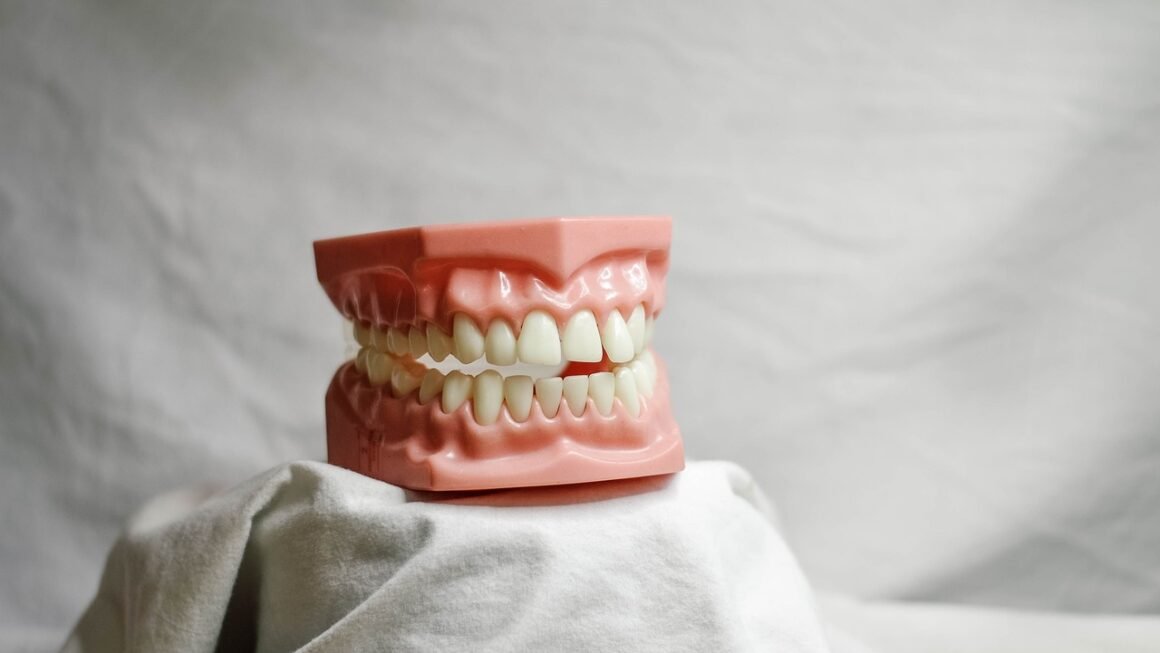
The simple act of brushing your teeth might seem mundane, but it’s the cornerstone of a healthy, vibrant smile. Neglecting this daily ritual can lead to a cascade of dental problems, from cavities and gum disease to bad breath and even systemic health issues. Brushing twice daily isn’t just a suggestion; it’s a fundamental practice for maintaining optimal oral health and overall well-being. Let’s delve into why this habit is so crucial and how to make the most of your twice-daily brushing routine.
The Importance of Twice-Daily Brushing
Brushing your teeth twice a day is far more than just a cosmetic practice. It’s your primary defense against the constant onslaught of bacteria and acids that threaten your dental health. This seemingly small effort can prevent serious and costly problems down the road.
Why Brush Twice?
- Plaque Removal: Throughout the day and night, bacteria in your mouth form a sticky film called plaque. This plaque adheres to your teeth and releases acids that erode enamel, leading to cavities. Brushing physically removes this plaque, preventing acid attacks and tooth decay.
- Tartar Prevention: If plaque isn’t removed regularly, it hardens into tartar (calculus), which is much more difficult to remove and requires professional cleaning. Twice-daily brushing significantly reduces the likelihood of tartar buildup.
- Gum Health: Plaque and tartar can irritate and inflame your gums, leading to gingivitis, the early stage of gum disease. Regular brushing helps keep your gums healthy and prevents the progression to more serious periodontal disease.
- Fresher Breath: Brushing removes food particles and bacteria that contribute to bad breath (halitosis), leaving your mouth feeling clean and refreshed.
- Overall Health Link: Emerging research continues to link oral health to overall health. Gum disease has been associated with increased risk of heart disease, stroke, diabetes, and other systemic conditions. Brushing twice daily helps reduce the risk of these associated health problems.
When to Brush
The most effective times to brush are in the morning and before bed.
- Morning Brushing: Brushing after waking up helps remove the plaque and bacteria that have accumulated overnight. It also freshens your breath and prepares your mouth for the day ahead.
- Nighttime Brushing: Brushing before bed is arguably the most important time to brush. It removes food particles and plaque accumulated throughout the day, preventing them from attacking your teeth overnight when saliva flow is reduced.
Choosing the Right Tools
Using the right toothbrush and toothpaste is essential for effective brushing. Don’t just grab the cheapest option; invest in tools that will promote optimal oral hygiene.
Selecting a Toothbrush
- Soft Bristles: Opt for a toothbrush with soft bristles. Medium or hard bristles can damage your enamel and gums, leading to sensitivity and recession.
- Size and Shape: Choose a toothbrush that fits comfortably in your mouth and allows you to reach all areas easily, including the back teeth.
- Electric Toothbrushes: Electric toothbrushes can be more effective at removing plaque than manual toothbrushes. Look for features like a built-in timer and pressure sensor.
- ADA Seal of Acceptance: Look for the American Dental Association (ADA) Seal of Acceptance, which indicates that the toothbrush has been tested for safety and effectiveness.
Choosing Toothpaste
- Fluoride: Fluoride is a crucial ingredient in toothpaste as it strengthens enamel and helps prevent cavities. Ensure your toothpaste contains fluoride.
- ADA Seal of Acceptance: Just like toothbrushes, look for the ADA Seal of Acceptance on toothpaste.
- Specific Needs: Choose toothpaste based on your specific needs. For example, if you have sensitive teeth, select toothpaste formulated for sensitivity. If you want to whiten your teeth, choose a whitening toothpaste. However, be cautious with highly abrasive whitening toothpastes, as they can damage enamel.
- Avoid Harmful Ingredients: Avoid toothpaste with excessive amounts of sodium lauryl sulfate (SLS) if you are prone to canker sores, as it can be irritating.
The Proper Brushing Technique
Having the right tools is only half the battle; you also need to use the correct brushing technique to effectively remove plaque and protect your teeth.
Step-by-Step Guide
Brushing Time
- Two Minutes: Brush for at least two minutes each time. Most people don’t brush long enough. Set a timer or use an electric toothbrush with a built-in timer to ensure you’re brushing for the recommended amount of time.
- Divide and Conquer: Divide your mouth into four quadrants (upper right, upper left, lower right, lower left) and spend 30 seconds brushing each quadrant.
Beyond Brushing: Complementary Practices
While brushing twice daily is essential, it’s only one component of a comprehensive oral hygiene routine. To truly protect your teeth and gums, incorporate these additional practices.
Flossing Daily
- Why Floss? Flossing removes plaque and food particles from between your teeth and along the gumline, areas that your toothbrush can’t reach.
- When to Floss: Floss at least once a day, preferably before brushing at night.
- Flossing Technique: Use about 18 inches of floss and gently guide it between your teeth, using a back-and-forth motion. Curve the floss around each tooth and slide it gently under the gumline.
- Alternatives: If you find traditional flossing difficult, consider using floss picks or interdental brushes.
Using Mouthwash
- Types of Mouthwash: Choose a mouthwash that contains fluoride or antiseptic ingredients. Fluoride mouthwash helps strengthen enamel, while antiseptic mouthwash helps kill bacteria.
- When to Use Mouthwash: Use mouthwash after brushing and flossing.
- How to Use Mouthwash: Swish the mouthwash around in your mouth for 30 seconds, then spit it out.
Regular Dental Check-ups
- Frequency: Visit your dentist for a check-up and cleaning at least twice a year, or more frequently if recommended by your dentist.
- Professional Cleaning: Professional cleanings remove tartar and plaque that you can’t remove at home.
- Early Detection: Regular check-ups allow your dentist to detect and treat dental problems early, before they become more serious and costly.
Conclusion
Brushing twice daily is a fundamental practice for maintaining optimal oral health and preventing a host of dental problems. By using the right tools, employing the correct brushing technique, and incorporating complementary practices like flossing and regular dental check-ups, you can keep your teeth and gums healthy for a lifetime. Make brushing twice a day a non-negotiable part of your daily routine, and your smile will thank you for it. It’s a small investment of time that yields significant and lasting benefits for your oral and overall health.