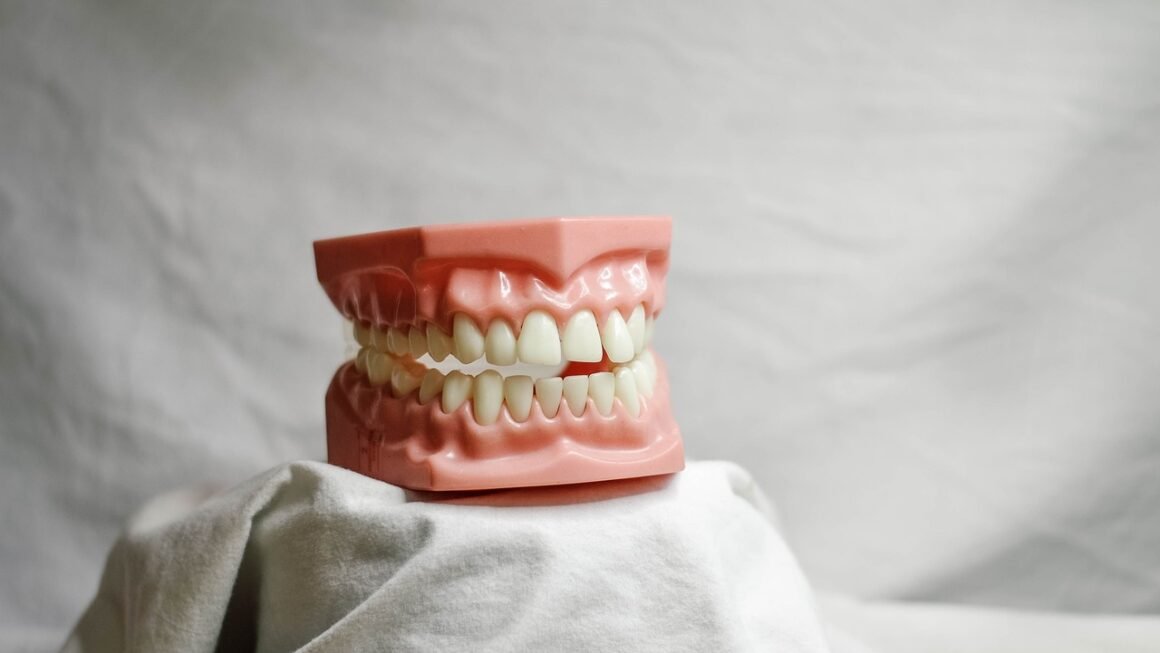
Is that sharp, shooting pain when you sip your morning coffee or bite into a popsicle becoming a familiar sensation? You’re likely experiencing tooth sensitivity, a common dental problem that can significantly impact your daily life. Understanding the causes, symptoms, and effective treatments is crucial to managing and alleviating this discomfort. This guide provides a comprehensive overview of tooth sensitivity, offering practical advice and insights to help you regain comfort and confidence in your smile.
Understanding Tooth Sensitivity: Causes and Triggers
Tooth sensitivity, clinically known as dentin hypersensitivity, arises when the underlying dentin layer of your tooth becomes exposed. Dentin contains microscopic tubules that lead directly to the tooth’s nerve, so when these tubules are exposed to hot, cold, sweet, or acidic substances, they can trigger pain.
Common Causes of Tooth Sensitivity
- Enamel Erosion: This is often the most prevalent cause.
Acidic Foods and Drinks: Frequent consumption of citrus fruits, sodas, and even vinegars can gradually erode enamel.
Example: A daily glass of lemonade, over time, can significantly weaken enamel.
Teeth Grinding (Bruxism): Grinding your teeth, especially at night, wears down the enamel.
Tip: Consider using a night guard if you grind your teeth.
Aggressive Brushing: Using a hard-bristled toothbrush and brushing too vigorously can wear away enamel and recede gums.
Recommendation: Use a soft-bristled brush and gentle, circular motions.
- Gum Recession: Receding gums expose the root surface of the tooth, which lacks enamel.
Periodontal Disease (Gum Disease): This infection damages gums and supporting bone, leading to recession.
Aggressive Brushing (Again!): Over-brushing contributes significantly.
- Dental Procedures: Teeth whitening, professional cleaning, or dental restorations can temporarily cause sensitivity.
Explanation: The procedures can irritate the nerve or temporarily expose dentin.
- Cracked Teeth: Tiny cracks in the tooth can expose the inner layers to irritants.
Practical Example: Chewing on hard candies or ice can lead to cracks.
- Tooth Decay: Cavities can expose dentin and lead to sensitivity.
Recognizing Your Triggers
Identifying what causes your tooth sensitivity is the first step towards managing it. Common triggers include:
- Hot Foods and Drinks: Coffee, soup, tea
- Cold Foods and Drinks: Ice cream, iced water, popsicles
- Sweet Foods and Drinks: Candy, soda, fruit juice
- Acidic Foods and Drinks: Citrus fruits, tomatoes, vinegar
- Cold Air: Breathing in cold air can trigger sensitivity.
- Brushing: Even gentle brushing can be painful for some.
- Mouthwash: Some mouthwashes contain alcohol, which can exacerbate sensitivity.
Relieving Tooth Sensitivity: Home Remedies and Lifestyle Adjustments
Fortunately, there are several steps you can take at home to alleviate tooth sensitivity and prevent it from worsening.
Choosing the Right Toothpaste
- Desensitizing Toothpastes: These toothpastes contain ingredients like potassium nitrate or stannous fluoride, which help block the tubules in the dentin and reduce nerve sensitivity.
How they work: Potassium nitrate depolarizes the nerve, reducing its ability to transmit pain signals. Stannous fluoride blocks the dentinal tubules.
Actionable Tip: Use desensitizing toothpaste twice daily for at least two weeks to see noticeable results.
- Fluoride Toothpastes: Fluoride strengthens enamel and makes it more resistant to acid attacks.
Important Note: Make sure the toothpaste contains fluoride!
Optimizing Your Brushing Technique
- Use a Soft-Bristled Toothbrush: This will minimize enamel wear and gum recession.
- Brush Gently: Avoid scrubbing too hard; use circular motions.
- Wait Before Brushing After Eating Acidic Foods: Acid softens enamel, so brushing immediately after consuming acidic foods can worsen erosion. Wait at least 30 minutes.
- Consider an Electric Toothbrush: Electric toothbrushes can provide consistent cleaning with less pressure.
Modifying Your Diet
- Limit Acidic Foods and Drinks: Reduce your intake of citrus fruits, sodas, and fruit juices.
Practical Tip: If you do consume acidic beverages, use a straw to minimize contact with your teeth.
- Rinse Your Mouth After Eating Acidic Foods: This helps neutralize the acid and prevent enamel erosion. Use water or a fluoride mouthwash.
- Avoid Snacking Frequently: Frequent snacking exposes your teeth to acid for longer periods.
Using Fluoride Mouthwash
- Benefits of Fluoride Rinse: Fluoride strengthens enamel and helps protect against acid attacks.
- Choosing the Right Rinse: Look for a fluoride mouthwash without alcohol, as alcohol can dry out the mouth and exacerbate sensitivity.
- How to Use: Rinse with fluoride mouthwash after brushing and before bed.
Professional Dental Treatments for Tooth Sensitivity
When home remedies aren’t enough, your dentist can offer several treatments to alleviate tooth sensitivity.
Fluoride Varnish and Gels
- How it Works: Your dentist can apply concentrated fluoride varnish or gel to your teeth, which strengthens enamel and reduces sensitivity.
- Benefits: Provides a protective layer and reinforces tooth structure.
- Frequency: Usually applied every few months, depending on the severity of your sensitivity.
Dental Sealants
- Application: A thin plastic coating is applied to the chewing surfaces of the teeth to protect enamel.
- Benefits: Prevents acids and bacteria from reaching sensitive areas.
- Especially Useful: For teeth with deep grooves or fissures.
Bonding and Restorations
- Purpose: To cover exposed root surfaces or repair cracked teeth.
- Materials: Tooth-colored composite resin is commonly used for bonding. Fillings and crowns may also be necessary.
- How it Works: By covering the exposed dentin, these restorations shield the nerve from irritants.
Gum Grafting
- When it’s Needed: For severe gum recession, a gum graft can be performed to cover the exposed root surface.
- Procedure: A small piece of tissue is taken from another part of your mouth (usually the palate) and surgically attached to the receding gum line.
- Benefits: Provides long-term protection for the root and improves aesthetics.
Root Canal Treatment
- Last Resort: When tooth sensitivity is severe and persistent, and other treatments have failed, a root canal may be necessary.
- What it Involves: Removal of the infected or inflamed pulp (nerve) from the tooth.
- Outcome: Eliminates the source of pain and prevents further infection.
Prevention: Maintaining Healthy Habits for Sensitive Teeth
The best approach to tooth sensitivity is prevention. By adopting good oral hygiene habits and making smart lifestyle choices, you can significantly reduce your risk.
Regular Dental Checkups
- Importance of Checkups: Regular dental exams allow your dentist to identify and address potential problems before they lead to sensitivity.
- Professional Cleanings: Removing plaque and tartar buildup helps prevent gum disease and enamel erosion.
- Recommended Frequency: Visit your dentist every six months for a checkup and cleaning.
Proper Oral Hygiene Practices
- Brush Twice Daily: Use a soft-bristled toothbrush and fluoride toothpaste.
- Floss Daily: Flossing removes plaque and food particles from between teeth, where brushing can’t reach.
- Use a Fluoride Mouthwash: Rinse daily to strengthen enamel.
Lifestyle Modifications
- Limit Acidic Foods and Drinks: Reduce your intake of citrus fruits, sodas, and fruit juices.
- Use a Straw: When drinking acidic beverages, use a straw to minimize contact with your teeth.
- Chew Sugar-Free Gum: Chewing gum stimulates saliva production, which helps neutralize acids and wash away food particles.
- Address Teeth Grinding: If you grind your teeth, use a night guard to protect your enamel.
Conclusion
Tooth sensitivity is a manageable condition. By understanding the causes, adopting good oral hygiene habits, and seeking professional dental care when needed, you can alleviate discomfort and maintain a healthy, confident smile. Start by identifying your triggers, making small changes to your brushing technique and diet, and consulting with your dentist about the best treatment options for your specific needs. Don’t let sensitive teeth hold you back from enjoying life’s simple pleasures – take control of your oral health today!