Maintaining optimal dental hygiene is more than just a pretty smile; it’s an integral part of your overall health and well-being. Neglecting your teeth and gums can lead to a host of issues, from bad breath and cavities to more serious problems like gum disease and even heart complications. Fortunately, establishing and maintaining good dental hygiene habits is a relatively simple process. This guide will walk you through everything you need to know to achieve a healthy, confident smile.
The Cornerstone: Brushing Techniques
Brushing your teeth is the foundation of any effective dental hygiene routine. But simply running a toothbrush over your teeth isn’t enough. You need to use the right technique to remove plaque and bacteria effectively.
Choosing the Right Brush
- Opt for a soft-bristled toothbrush. Hard bristles can damage your enamel and irritate your gums.
- Consider an electric toothbrush. Many models have timers and pressure sensors to help you brush properly. Studies have shown that electric toothbrushes can be more effective at removing plaque and reducing gingivitis than manual toothbrushes.
- Replace your toothbrush every three months or sooner if the bristles are frayed. A worn-out toothbrush won’t clean your teeth effectively.
Mastering the Technique
- Use fluoride toothpaste. Fluoride helps strengthen enamel and prevent cavities.
- Brush for at least two minutes, twice a day. Many people underestimate how long two minutes actually is, so use a timer.
- Use gentle, circular motions to clean all surfaces of your teeth.
- Pay attention to the gum line, where plaque tends to accumulate.
- Don’t forget to brush your tongue to remove bacteria and freshen your breath.
Practical Examples
- Morning Routine: Brush after breakfast to remove food particles and bacteria that have accumulated overnight.
- Evening Routine: Brush before bed to prevent plaque buildup while you sleep. This is particularly important as saliva production decreases during sleep, making your mouth more susceptible to bacteria.
- Travel Tip: Pack a travel-sized toothbrush and toothpaste to maintain your dental hygiene routine on the go.
Flossing: Reaching the Unreachable
While brushing is essential, it can’t reach the areas between your teeth where food particles and plaque often get trapped. This is where flossing comes in.
Why Floss?
- Removes plaque and food particles from between your teeth and along the gum line.
- Prevents cavities and gum disease. According to the American Dental Association, flossing helps remove plaque and food debris that can lead to tooth decay and gum disease.
- Reduces bad breath.
Flossing Techniques
- Use about 18 inches of floss, winding most of it around your middle fingers.
- Gently slide the floss between your teeth using a sawing motion.
- Curve the floss into a “C” shape around each tooth and slide it up and down under the gum line.
- Use a clean section of floss for each tooth.
- Don’t snap the floss against your gums, as this can cause irritation and bleeding.
Alternatives to Traditional Floss
- Floss Picks: Convenient for on-the-go flossing.
- Interdental Brushes: Useful for cleaning around braces or between teeth with larger gaps.
- Water Flossers: Can be effective at removing plaque and debris, especially for people with difficulty using traditional floss.
Practical Examples
- Evening Ritual: Floss before brushing at night to loosen plaque and food particles so that brushing can remove them more effectively.
- After Meals: If you can’t brush after lunch, flossing can help remove food debris and prevent plaque buildup.
- Braces Users: Floss threaders can help you navigate floss around brackets and wires.
Rinsing with Mouthwash: An Extra Layer of Protection
Mouthwash isn’t a substitute for brushing and flossing, but it can provide an extra layer of protection and freshen your breath.
Types of Mouthwash
- Fluoride Mouthwash: Helps strengthen enamel and prevent cavities.
- Antiseptic Mouthwash: Kills bacteria and reduces plaque. Look for mouthwashes containing ingredients like chlorhexidine (prescription only) or cetylpyridinium chloride (CPC).
- Cosmetic Mouthwash: Freshens breath and temporarily reduces plaque.
How to Use Mouthwash
- Rinse your mouth with mouthwash for 30 seconds after brushing and flossing.
- Don’t swallow the mouthwash.
- Wait at least 30 minutes before eating or drinking after using mouthwash.
Benefits of Using Mouthwash
- Reduces plaque and bacteria.
- Freshens breath.
- Helps prevent cavities (fluoride mouthwash).
- Can help treat gum disease (antiseptic mouthwash).
Practical Examples
- Post-Meal Rinse: Use mouthwash after lunch when you can’t brush or floss.
- Gum Disease Treatment: Use an antiseptic mouthwash as prescribed by your dentist to help control gum disease.
- Fluoride Boost: Use a fluoride mouthwash before bed to give your enamel an extra dose of protection overnight.
The Role of Diet in Dental Health
What you eat plays a significant role in your dental health. Certain foods and drinks can contribute to tooth decay and gum disease.
Foods to Limit
- Sugary Foods: Candy, soda, and pastries can feed bacteria in your mouth and lead to cavities.
- Acidic Foods: Citrus fruits, tomatoes, and vinegar can erode enamel.
- Sticky Foods: Caramel, gummy candies, and dried fruit can cling to your teeth and promote plaque buildup.
Foods to Embrace
- Crunchy Fruits and Vegetables: Apples, carrots, and celery help clean your teeth and stimulate saliva production.
- Dairy Products: Milk and cheese contain calcium and phosphorus, which help strengthen enamel.
- Water: Staying hydrated helps wash away food particles and keep your mouth moist, which is important for preventing plaque buildup.
Practical Examples
- Healthy Snacking: Choose fruits, vegetables, or cheese instead of sugary snacks.
- Water with Meals: Drink water during and after meals to help wash away food particles.
- Limit Sugar Intake: Reduce your consumption of sugary drinks and snacks, and brush your teeth after indulging.
Regular Dental Checkups: Partnering with Your Dentist
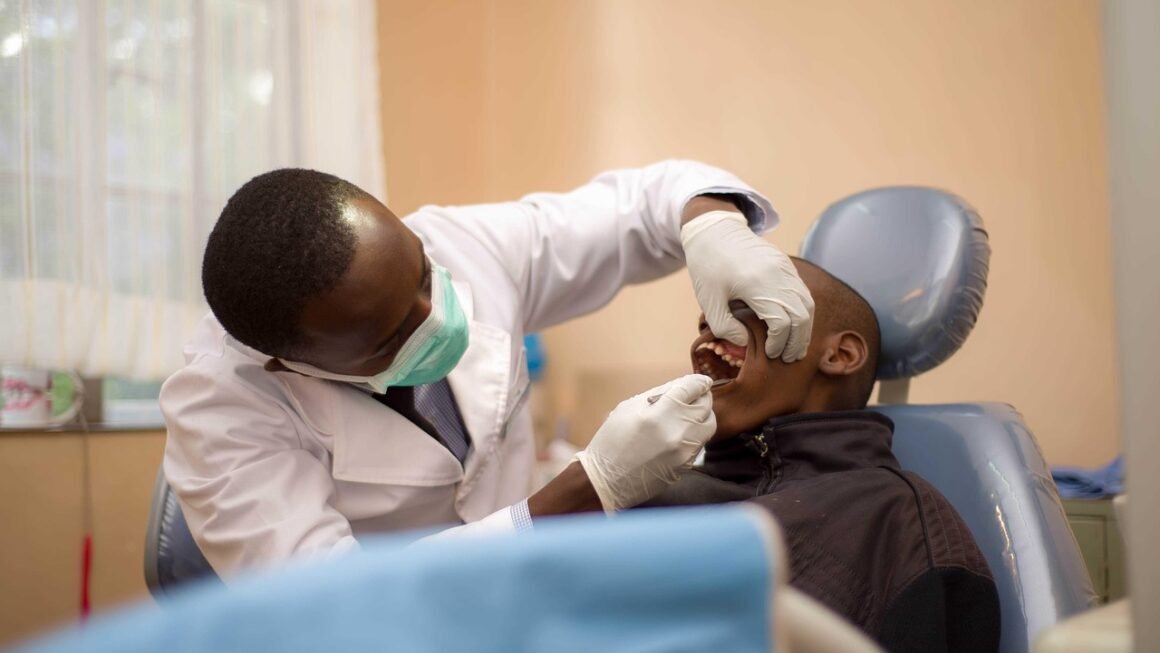
No matter how diligent you are with your at-home dental hygiene routine, regular dental checkups are essential for maintaining optimal oral health.
Benefits of Regular Checkups
- Early Detection: Dentists can detect early signs of cavities, gum disease, and other oral health problems.
- Professional Cleaning: Dental hygienists can remove plaque and tartar buildup that you can’t remove at home.
- Personalized Advice: Your dentist can provide personalized advice on how to improve your dental hygiene routine and address any specific concerns you may have.
- Prevention of Serious Issues: Regular checkups can help prevent minor problems from becoming major, more expensive, and more painful issues.
What to Expect During a Checkup
- Dental Exam: Your dentist will examine your teeth, gums, and mouth for signs of problems.
- Professional Cleaning: A dental hygienist will remove plaque and tartar from your teeth.
- X-rays: X-rays may be taken to detect cavities and other problems that are not visible during a visual exam.
Recommended Frequency
- Most people should visit the dentist every six months. However, your dentist may recommend more frequent checkups if you have a history of dental problems or are at high risk for gum disease.
Practical Examples
- Schedule Appointments in Advance: Book your next appointment before you leave the office to ensure you stay on track.
- Don’t Skip Appointments: Even if you’re not experiencing any problems, regular checkups are essential for preventing them.
- Ask Questions: Don’t hesitate to ask your dentist any questions you have about your oral health.
Conclusion
Establishing and maintaining good dental hygiene practices is an investment in your overall health and well-being. By following the tips outlined in this guide, including brushing and flossing regularly, using mouthwash, maintaining a healthy diet, and scheduling regular dental checkups, you can keep your teeth and gums healthy for years to come. A healthy smile is a confident smile, and taking care of your oral health is a simple way to improve your quality of life. Don’t wait – start prioritizing your dental hygiene today!