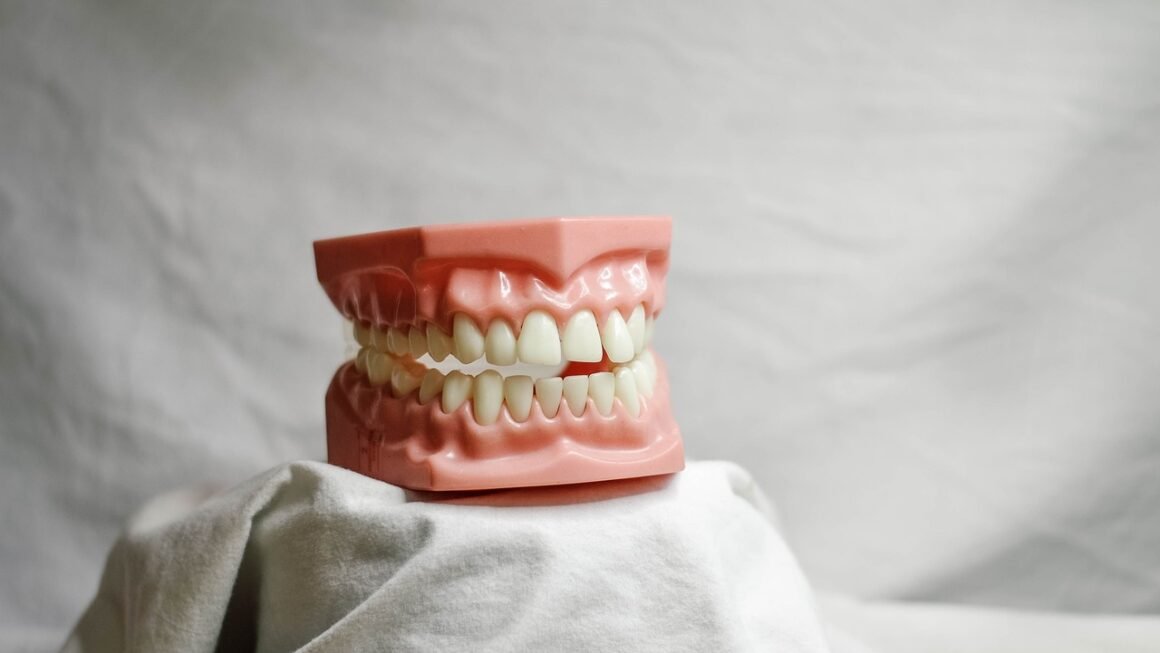
Do you ever run your tongue along your teeth and feel a rough, stubborn deposit? Chances are, that’s tartar, also known as calculus, and it’s not something you want lingering in your mouth. Tartar control is a crucial part of maintaining good oral health and preventing serious dental problems. This comprehensive guide will delve into everything you need to know about tartar, how it forms, how to prevent it, and the best strategies for tartar control.
What is Tartar and Why Should You Care?
Tartar isn’t just a cosmetic nuisance; it’s a hardened plaque that can lead to significant oral health issues. Understanding its formation and potential problems is the first step in effective tartar control.
What is Tartar?
Tartar is essentially hardened dental plaque. Plaque is a sticky film of bacteria, food particles, and saliva that constantly forms on your teeth. If plaque isn’t removed regularly through brushing and flossing, it mineralizes and hardens into tartar. This process can happen surprisingly quickly, sometimes in as little as 24-72 hours!
Why is Tartar Bad for Your Teeth and Gums?
Tartar’s rough surface provides an ideal environment for more plaque to accumulate. This increased plaque buildup leads to a host of problems:
- Gum Disease (Gingivitis and Periodontitis): The bacteria in plaque irritate the gums, causing inflammation, redness, and bleeding (gingivitis). If left untreated, gingivitis can progress to periodontitis, a more severe form of gum disease that damages the soft tissue and bone supporting your teeth, potentially leading to tooth loss.
- Cavities (Dental Caries): Bacteria in plaque produce acids that attack tooth enamel, leading to cavities. Tartar makes it harder to effectively clean the teeth, increasing the risk of cavity formation.
- Bad Breath (Halitosis): Tartar harbors bacteria that produce volatile sulfur compounds (VSCs), which are responsible for unpleasant breath.
- Stained Teeth: Tartar can become stained from foods, drinks (coffee, tea, red wine), and tobacco, making your teeth appear yellow or brown.
How Tartar Forms: A Step-by-Step Process
Understanding how tartar forms is essential for implementing preventative measures. It’s not magic; it’s a predictable chemical process.
The Plaque Formation Phase
Everything starts with plaque. After eating, bacteria in your mouth feed on sugars and starches, producing acids. These acids demineralize the enamel of your teeth. As the bacteria multiply, they form a sticky film called plaque. This is the stage where diligent brushing and flossing are most effective.
Mineralization: Plaque Turns into Tartar
If plaque isn’t removed, it begins to harden. Saliva contains minerals like calcium and phosphate. These minerals deposit into the plaque, causing it to calcify and harden into tartar. This process usually starts along the gumline and between teeth, areas that are often harder to reach with regular brushing. This mineralization process can begin within days of plaque formation.
Location Matters: Where Tartar Tends to Form
Tartar tends to accumulate in specific areas:
- Along the gumline: This is a prime location because it’s where plaque tends to build up most readily.
- Between teeth: Flossing is crucial in these areas to prevent tartar buildup.
- Behind lower front teeth: Salivary glands are located near these teeth, leading to a higher concentration of minerals that contribute to tartar formation.
- On molars: The chewing surfaces of molars have pits and grooves that can trap food particles and bacteria.
Tartar Control Strategies: Prevention is Key
The best way to deal with tartar is to prevent it from forming in the first place. A consistent oral hygiene routine is your best defense.
Brushing Techniques and Toothpaste Selection
Effective brushing is the cornerstone of tartar control:
- Brush at least twice a day: Aim for brushing after meals, but at a minimum, brush in the morning and before bed.
- Use fluoride toothpaste: Fluoride helps strengthen tooth enamel and makes it more resistant to acid attacks from plaque. Many toothpastes are specifically formulated for tartar control and contain ingredients like pyrophosphates or zinc citrate.
- Brush for at least two minutes: Most people underestimate how long they brush. Use a timer or electric toothbrush with a built-in timer to ensure you’re brushing adequately.
- Use the correct technique: The American Dental Association recommends using a gentle, circular motion. Angle the brush towards the gumline to effectively clean this critical area.
- Consider an electric toothbrush: Electric toothbrushes often provide superior cleaning power compared to manual toothbrushes, removing more plaque and helping to prevent tartar formation.
The Importance of Flossing
Flossing removes plaque and food particles from between your teeth, areas that your toothbrush can’t reach.
- Floss daily: Make flossing a non-negotiable part of your oral hygiene routine.
- Use the correct technique: Gently slide the floss between your teeth and use a back-and-forth motion to clean the sides of each tooth. Be sure to floss below the gumline.
- Consider interdental brushes: For wider spaces between teeth, interdental brushes can be more effective than floss.
Mouthwash and Other Aids
Mouthwash can help kill bacteria and freshen breath, but it’s not a substitute for brushing and flossing.
- Choose an antiseptic mouthwash: Look for mouthwashes that contain ingredients like chlorhexidine gluconate or cetylpyridinium chloride (CPC), which help kill bacteria.
- Use mouthwash after brushing and flossing: This helps to rinse away any remaining debris and bacteria.
- Consider a water flosser: A water flosser (oral irrigator) can be a helpful adjunct to flossing, especially for people with braces or other dental appliances.
Dietary Considerations
What you eat and drink can significantly impact plaque formation and tartar buildup.
- Limit sugary and starchy foods: Bacteria thrive on sugars and starches, so reducing your intake can help reduce plaque formation.
- Drink plenty of water: Water helps rinse away food particles and bacteria.
- Chew sugar-free gum: Chewing sugar-free gum stimulates saliva production, which helps neutralize acids and wash away food debris.
- Avoid frequent snacking: Frequent snacking provides a constant supply of fuel for bacteria.
Professional Tartar Removal: Scaling and Root Planing
Even with diligent home care, some tartar buildup is inevitable. Professional dental cleanings are essential for removing stubborn tartar and maintaining optimal oral health.
What is Scaling and Root Planing?
Scaling and root planing, often referred to as a “deep cleaning,” is a procedure performed by a dentist or dental hygienist to remove tartar and plaque from above and below the gumline. Scaling removes the tartar, while root planing smooths the tooth root surfaces, making it harder for plaque and tartar to adhere.
The Procedure: What to Expect
The scaling and root planing procedure typically involves the following steps:
- Anesthesia: The dentist or hygienist will usually numb the area to be treated to minimize discomfort.
- Scaling: Using specialized instruments (hand scalers or ultrasonic scalers), the dentist or hygienist will remove tartar and plaque from the tooth surfaces and below the gumline.
- Root Planing: The root surfaces of the teeth are smoothed to remove any remaining tartar and create a clean, smooth surface that discourages future plaque and tartar buildup.
- Antibiotics (Optional): In some cases, the dentist may prescribe antibiotics to help control any remaining infection.
Frequency of Professional Cleanings
The frequency of professional dental cleanings depends on individual needs and oral health. Most people benefit from having their teeth cleaned every six months. However, people with a history of gum disease or heavy tartar buildup may need to be seen more frequently.
Tartar Control Toothpastes: Do They Really Work?
Tartar control toothpastes can be a helpful addition to your oral hygiene routine, but it’s important to understand how they work and what to look for.
Key Ingredients in Tartar Control Toothpastes
Tartar control toothpastes typically contain ingredients that help to prevent plaque from hardening into tartar:
- Pyrophosphates: These ingredients inhibit the formation of calcium phosphate crystals, which are essential for tartar formation.
- Zinc Citrate: Zinc citrate has antibacterial properties that help to reduce plaque formation.
- Triclosan: (Less commonly used now due to concerns) Triclosan is an antibacterial agent that helps to kill bacteria in the mouth.
Choosing the Right Toothpaste
When choosing a tartar control toothpaste, look for the following:
- ADA Seal of Acceptance: This seal indicates that the toothpaste has been evaluated by the American Dental Association and found to be safe and effective.
- Fluoride: Fluoride is essential for strengthening tooth enamel and preventing cavities.
- Tartar control ingredients: Look for toothpastes that contain pyrophosphates or zinc citrate.
Limitations of Tartar Control Toothpastes
Tartar control toothpastes can help to prevent new tartar from forming, but they cannot remove existing tartar. Once tartar has formed, it can only be removed by a dental professional.
Conclusion
Tartar control is a lifelong commitment that requires a consistent oral hygiene routine and regular professional dental cleanings. By understanding how tartar forms, implementing effective prevention strategies, and seeking professional help when needed, you can protect your teeth and gums from the harmful effects of tartar and enjoy a healthy, beautiful smile for years to come. Remember to brush twice daily with a fluoride and tartar-control toothpaste, floss daily, maintain a balanced diet, and visit your dentist regularly for checkups and cleanings. Your dedication to these practices will pay dividends in the long run, promoting not only your oral health but also your overall well-being.