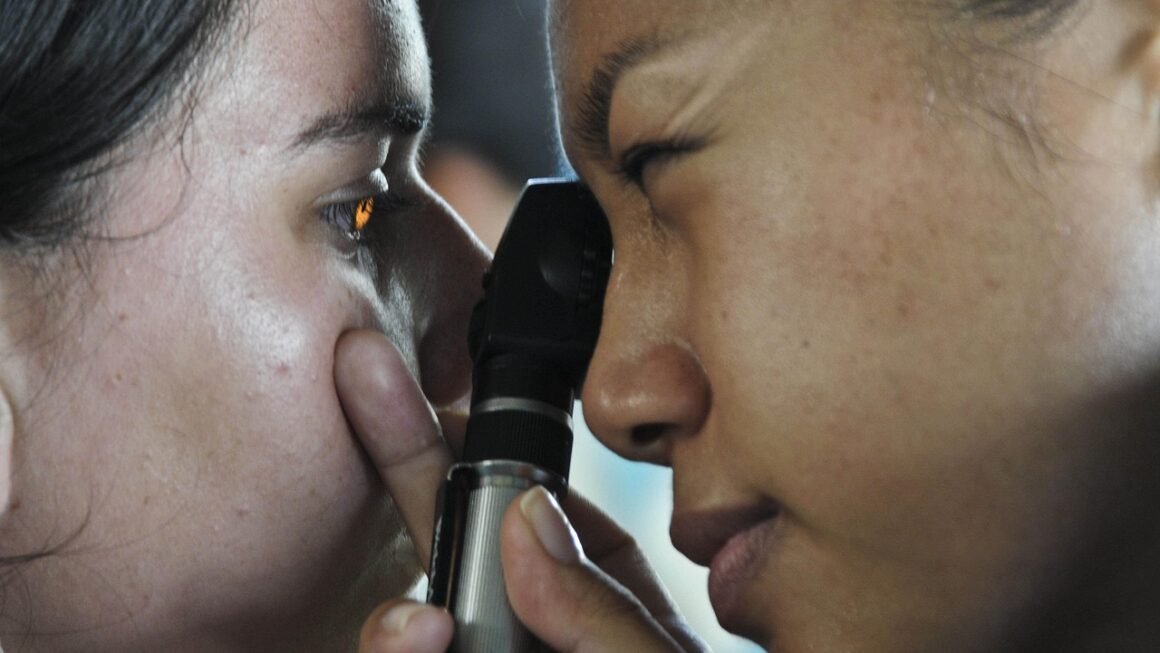
Embarking on the journey to a straighter, healthier smile often begins with a crucial first step: the orthodontic consultation. This initial appointment is more than just a quick peek; it’s a comprehensive evaluation that sets the stage for your entire orthodontic treatment. Understanding what to expect and how to prepare can make the experience smoother and more beneficial, ensuring you’re fully informed and confident in your decision to pursue orthodontic care.
What Happens During an Orthodontic Consultation?
Initial Greeting and Paperwork
The orthodontic consultation process typically starts with a warm welcome and some necessary paperwork. Expect to fill out forms detailing your medical and dental history, current medications, and any specific concerns you have about your teeth or bite.
- Example: These forms might ask about past surgeries, allergies, and whether you’ve previously undergone orthodontic treatment. It’s important to be thorough and honest to ensure the orthodontist has a complete picture of your health.
Examination and Evaluation
Next, the orthodontist will conduct a thorough examination of your teeth, gums, and jaw. This involves:
- Visual Inspection: Assessing the alignment of your teeth, checking for signs of decay or gum disease, and evaluating your bite (how your upper and lower teeth come together).
- Diagnostic Records: Taking X-rays (like panoramic and cephalometric X-rays) to visualize the roots of your teeth, jawbone structure, and other underlying issues. Impressions (molds) of your teeth may also be taken to create study models. In some practices, digital scanners are used to create a 3D digital model of your teeth and mouth.
- Photography: Capturing photographs of your face and teeth from various angles. These photos help in treatment planning and tracking progress.
- Example: The orthodontist might use a mirror and probe to examine your teeth, noting any areas of crowding, spacing, or misalignment. The X-rays will reveal if you have impacted teeth or any hidden dental problems.
Discussion of Findings and Treatment Options
After the examination, the orthodontist will discuss their findings with you in detail. They’ll explain any problems they’ve identified, such as:
- Malocclusion: Misalignment of teeth and jaws. Different types include overbite, underbite, crossbite, and open bite.
- Crowding: Insufficient space for all teeth.
- Spacing: Gaps between teeth.
- Impacted Teeth: Teeth that are unable to erupt properly.
Based on these findings, the orthodontist will then present you with various treatment options.
- Example: If you have a severe overbite, the orthodontist might recommend traditional braces, Invisalign, or, in some cases, jaw surgery in conjunction with orthodontic treatment.
- Benefit: The orthodontist will explain the pros and cons of each option, considering factors like aesthetics, treatment duration, cost, and your lifestyle.
Question and Answer Session
This is your opportunity to ask any questions you have about the diagnosis, treatment options, and overall process. Don’t hesitate to ask for clarification on anything you don’t understand.
- Practical Tip: Prepare a list of questions beforehand to ensure you cover all your concerns. Examples include:
“How long will the treatment take?”
“What is the estimated cost, and what payment options are available?”
“What are the potential risks and side effects of the treatment?”
“How often will I need to come in for appointments?”
“What type of braces (or aligners) do you recommend, and why?”
Preparing for Your Orthodontic Consultation
Compile Your Medical and Dental History
Having a clear understanding of your medical and dental background will make the consultation more efficient. Be prepared to provide information about:
- Past illnesses and surgeries
- Allergies to medications or materials
- Current medications
- Previous dental work (fillings, extractions, etc.)
- Any family history of orthodontic problems
Write Down Your Questions
As mentioned earlier, preparing a list of questions will ensure you get all the information you need. Don’t be afraid to ask anything that’s on your mind. There are no silly questions when it comes to your health and well-being.
Understand Your Insurance Coverage
If you have dental insurance, check your policy to see what orthodontic treatments are covered. Bring your insurance card with you to the consultation so the office can verify your benefits.
- Tip: Ask the orthodontic office if they are “in-network” with your insurance provider. In-network providers typically offer lower fees.
Be Prepared to Discuss Your Goals
Think about what you hope to achieve with orthodontic treatment. Do you want straighter teeth for aesthetic reasons? Are you experiencing jaw pain or difficulty chewing? Communicating your goals will help the orthodontist tailor the treatment plan to your specific needs.
Understanding the Costs Involved
Initial Consultation Fee
Some orthodontic offices offer free initial consultations, while others charge a fee. Be sure to inquire about the fee beforehand.
Cost of Treatment
The cost of orthodontic treatment varies depending on the type of treatment (braces, Invisalign, etc.), the complexity of the case, and the duration of treatment. The orthodontist will provide you with a detailed estimate during the consultation.
- Example: Traditional metal braces might cost between $3,000 and $7,000, while Invisalign could range from $3,500 to $8,000, according to the American Association of Orthodontists (AAO).
Payment Options
Most orthodontic offices offer various payment options, such as:
- Payment plans: Breaking down the total cost into monthly installments.
- Third-party financing: Utilizing companies that specialize in financing healthcare expenses.
- Discounts: Some offices offer discounts for paying in full upfront.
- Actionable Takeaway: Don’t hesitate to discuss payment options with the orthodontic office. They may be able to work with you to find a plan that fits your budget.
Benefits of Early Orthodontic Evaluation
Identifying Potential Problems Early
The American Association of Orthodontists (AAO) recommends that children have their first orthodontic evaluation by age 7. Early evaluation allows the orthodontist to identify potential problems early on and intervene if necessary.
- Example: If a child has a crossbite or other bite problem, early intervention can guide jaw growth and prevent more serious problems later in life.
Preventive Orthodontics
In some cases, early orthodontic treatment can prevent the need for more extensive treatment later on. This is known as preventive orthodontics.
- Example: A space maintainer can be used to hold space for a missing baby tooth, preventing adjacent teeth from shifting and blocking the eruption of the permanent tooth.
Improved Oral Hygiene
Straight teeth are easier to clean than crooked teeth. Early orthodontic treatment can help improve oral hygiene and reduce the risk of tooth decay and gum disease.
Conclusion
An orthodontic consultation is a vital first step towards achieving a healthier, more confident smile. By understanding what to expect, preparing beforehand, and actively participating in the discussion, you can ensure that you receive the best possible care and make informed decisions about your orthodontic treatment. Don’t hesitate to schedule a consultation with a qualified orthodontist to explore your options and start your journey towards a straighter, healthier smile today.