
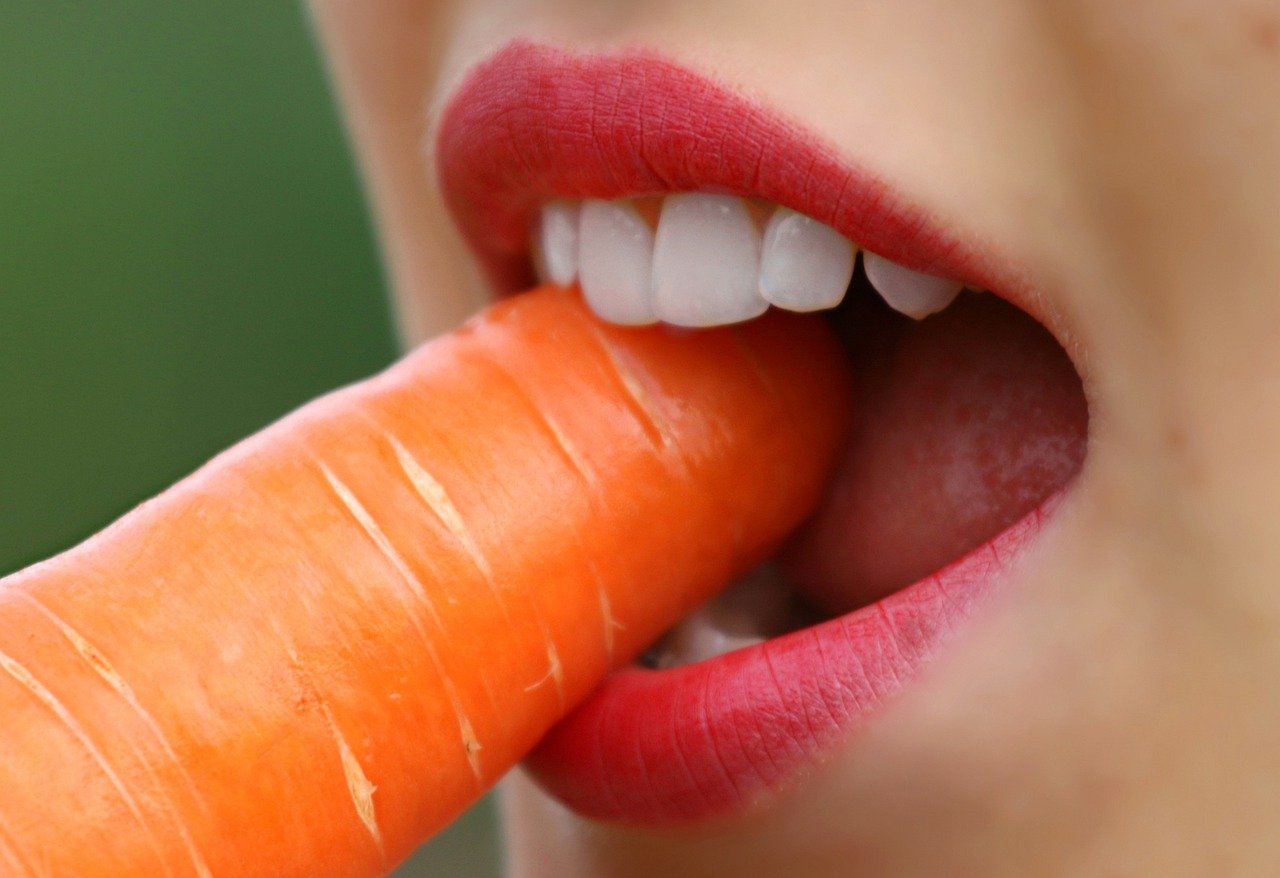
Achieving a brighter, whiter smile is a goal for many, boosting confidence and leaving a lasting impression. With countless teeth whitening options available, from over-the-counter products to professional dental treatments, understanding the nuances of each method is essential for making an informed decision. This guide will delve into the world of teeth whitening, providing comprehensive information to help you achieve the radiant smile you’ve always desired.
Understanding Teeth Whitening
What Causes Tooth Discoloration?
Tooth discoloration, also known as tooth staining, can be caused by a variety of factors, both internal and external. Understanding these factors is crucial for selecting the most effective whitening treatment.
- Extrinsic Stains: These are surface stains caused by external factors such as:
Consuming dark-colored beverages like coffee, tea, and red wine.
Eating certain foods, such as berries, soy sauce, and tomato-based sauces.
Tobacco use (smoking or chewing).
Poor oral hygiene.
- Intrinsic Stains: These stains are incorporated within the tooth structure and are more difficult to remove. Causes include:
Age-related enamel thinning, revealing the yellow dentin underneath.
Exposure to tetracycline antibiotics during tooth development.
Dental trauma or injury.
Excessive fluoride intake (fluorosis).
- Age: Over time, the outer layer of enamel thins, revealing the yellowish dentin beneath, making teeth appear darker.
Types of Teeth Whitening Treatments
Several teeth whitening treatments are available, each with varying levels of effectiveness and cost. The best option depends on the type and severity of staining, as well as individual preferences and budget.
- Over-the-Counter (OTC) Whitening Products: These include whitening toothpastes, mouthwashes, strips, and trays. While convenient and affordable, they generally contain lower concentrations of whitening agents, leading to less dramatic results compared to professional treatments.
Example: Whitening strips typically contain 6-10% hydrogen peroxide.
- Professional In-Office Whitening: Performed by a dentist, this involves applying a high-concentration bleaching gel to the teeth, often activated by a special light or laser. In-office whitening offers the quickest and most noticeable results.
Example: In-office whitening gels can contain 25-40% hydrogen peroxide.
- Take-Home Whitening Kits (Prescribed by a Dentist): These kits include custom-fitted trays and a whitening gel. The dentist provides instructions on how to use the kit at home over a period of several days or weeks. These kits offer a balance between convenience and effectiveness.
Example: Take-home kits typically contain 10-22% carbamide peroxide.
Professional Teeth Whitening
In-Office Whitening Procedure
In-office teeth whitening is a popular choice for those seeking rapid and significant results. Here’s what you can expect during the procedure:
- Benefits of In-Office Whitening:
Significant and immediate results.
Supervised by a dental professional, ensuring safety and effectiveness.
Customized treatment to address individual needs and sensitivity levels.
Take-Home Whitening Kits from Your Dentist
Take-home whitening kits offer a more gradual approach to teeth whitening. Your dentist will create custom trays based on impressions of your teeth, ensuring a comfortable and secure fit.
- Advantages of Take-Home Kits:
Custom-fitted trays for optimal contact between the gel and teeth.
Control over the whitening process and intensity.
Convenient and can be done in the comfort of your own home.
Over-the-Counter Whitening Options
Whitening Toothpastes and Mouthwashes
Whitening toothpastes and mouthwashes are readily available at most drugstores and supermarkets. These products typically contain mild abrasives and chemical agents that help remove surface stains.
- Whitening Toothpastes:
Contain abrasive ingredients like hydrated silica to scrub away surface stains.
May include chemical agents such as hydrogen peroxide or carbamide peroxide in low concentrations.
Effective for maintaining whiteness after professional treatments or for removing light surface stains.
- Whitening Mouthwashes:
Typically contain hydrogen peroxide.
Can help to prevent new stains from forming.
Less effective than other whitening methods for removing existing stains.
Whitening Strips and Trays
Whitening strips and trays are another popular OTC option. Strips are thin, flexible pieces of plastic coated with a whitening gel, while trays are pre-filled or require you to fill them with gel.
- Whitening Strips:
Easy to use and convenient.
Adhere to the teeth and deliver the whitening gel directly to the enamel.
Effective for removing surface stains and brightening the smile.
- Whitening Trays:
Can be pre-filled or require filling with whitening gel.
Provide more coverage than strips.
* May be less comfortable than custom-fitted trays from a dentist.
Maintaining Your Whitened Smile
Oral Hygiene Practices
Maintaining good oral hygiene is essential for preserving your whitened smile and preventing new stains from forming.
- Brush your teeth at least twice a day with a fluoride toothpaste.
- Floss daily to remove plaque and debris from between your teeth.
- Use an antiseptic mouthwash to kill bacteria and freshen your breath.
- Consider using a whitening toothpaste to maintain your results.
Dietary Considerations
Certain foods and beverages can contribute to tooth staining. Limiting your consumption of these items can help keep your smile bright.
- Reduce your intake of coffee, tea, red wine, and dark sodas.
- Avoid or minimize consumption of berries, soy sauce, and tomato-based sauces.
- Drink staining beverages through a straw to minimize contact with your teeth.
- Rinse your mouth with water after consuming staining foods or drinks.
Regular Dental Checkups
Regular dental checkups are crucial for maintaining your overall oral health and preserving your whitened smile.
- Schedule professional cleanings at least twice a year to remove plaque and tartar.
- Consult with your dentist about touch-up whitening treatments as needed.
- Address any dental issues promptly to prevent further discoloration or damage.
Conclusion
Teeth whitening is a popular and effective way to enhance your smile and boost your confidence. Whether you choose professional in-office treatments, take-home kits from your dentist, or over-the-counter options, understanding the different methods and following proper maintenance practices is key to achieving and maintaining a radiant, white smile. Remember to consult with your dentist to determine the most suitable whitening option for your individual needs and oral health. By taking proactive steps, you can enjoy a brighter, healthier smile for years to come.



